Choosing an electrical panel might not be the first thing that comes to mind when considering home improvements, but it’s one of the most crucial decisions you’ll make for your Cornwall home. It’s not just about ensuring your lights stay on—it’s about guaranteeing the safety, efficiency, and future-proofing of your entire electrical system. Whether you’re renovating an older property or building a new one, understanding your options and making an informed decision about your electrical panel is essential.
Understanding Electrical Panel Types
When it comes to electrical panels, the two main types you’ll encounter are fuse boxes and circuit breaker panels. Both serve the same primary purpose: protecting your home from electrical overloads and short circuits. However, they do so in slightly different ways, and understanding these differences is key to making the right choice.
Fuse Boxes vs Circuit Breaker Panels
Fuse boxes are an older technology that uses fuses to protect circuits. When a circuit is overloaded, the fuse will blow, cutting off the electrical supply to that circuit and preventing potential hazards. The downside? Blown fuses need to be replaced, which can be inconvenient.
On the other hand, circuit breaker panels are more modern and user-friendly. Instead of fuses, they use switches that automatically trip when a fault is detected. These switches can simply be reset once the issue is resolved, making them a more convenient and reliable option for most homeowners.
For Cornwall homes, especially older properties with original electrical installations, upgrading from a fuse box to a circuit breaker panel can significantly improve both safety and convenience. For those interested in the specific process of replacing circuit breakers, check out our Cornwall Living Guide to Replacing Circuit Breakers
Smart Panels and Modern Upgrades
In today’s tech-savvy world, smart panels offer the latest in electrical panel technology. These panels not only perform the basic functions of circuit breaker panels but also provide advanced features such as real-time monitoring of your electricity usage and remote control via smartphone apps. Investing in a smart panel could be a wise move if you’re looking to future-proof your home and integrate it with other smart technologies.
Key Considerations for Electrical Panel Selection
Choosing the right electrical panel involves more than just picking between fuse boxes and circuit breaker panels. You’ll need to consider several factors to ensure the panel you choose meets your home’s specific needs.
Determining Your Home’s Power Needs
Before selecting a panel, it’s crucial to assess your home’s current and future electrical demands. Start by calculating the total load requirement of your home, which includes everything from lighting and appliances to heating systems and any planned future upgrades such as electric vehicle chargers.
For a detailed breakdown of how to evaluate your home’s power needs and what options are available, consider consulting professional services like those offered by Wave Electrical Solutions’ Consumer Units and Fuse Boards. They can guide you in selecting a panel that not only meets your current requirements but also provides room for future expansion.
Safety Features to Look For
Safety should always be a top priority when selecting an electrical panel. Modern panels come equipped with several safety features designed to protect your home and family:
- Residual Current Circuit Breakers with Overload protection (RCBOs): These combine the functions of a circuit breaker and an RCD, protecting against both overloads and earth faults.
- Surge Protection Devices (SPDs): These protect your home from power surges, which can occur due to lightning strikes or issues with the power grid.
- Arc Fault Detection Devices (AFDDs): These detect dangerous electrical arcs that can cause fires and shut down the circuit before any damage occurs.
Including these features in your electrical panel not only complies with safety standards but also provides peace of mind, knowing that your home is well-protected against electrical hazards.
Compliance with UK Regulations
In the UK, electrical installations must comply with specific regulations to ensure safety and efficiency. One of the key regulations is Part P of the Building Regulations, which governs electrical safety in domestic properties. Part P requires that certain types of electrical work, including the installation of new circuits or consumer units, be carried out by a registered electrician or inspected by a local authority.
Compliance with these regulations is not just about ticking a box; it’s about ensuring that your electrical system is safe and legal. For further information, the UK Government’s Building Regulations Approved Document P is an authoritative resource you can consult.

Upgrading vs. Replacing Your Electrical Panel
Whether to upgrade or replace your electrical panel depends on several factors, including the age of your existing panel, your home’s electrical needs, and your budget.
When to Upgrade Your Panel
Upgrading your electrical panel might be necessary if you’re experiencing frequent issues such as tripped breakers, flickering lights, or a burning smell near the panel. These signs indicate that your current panel is struggling to meet the demands of your household.
Upgrading can also be a proactive decision if you’re planning on adding high-power devices, such as an electric vehicle charger, to your home. By upgrading, you ensure that your electrical system can handle the increased load without compromising safety or efficiency.
Replacement Costs and Process
Replacing an electrical panel is a more significant undertaking than a simple upgrade, but it can be well worth the investment, especially for older homes. The cost of replacing an electrical panel in Cornwall typically ranges from £500 to £2,500, depending on the complexity of the job and the size of the panel.
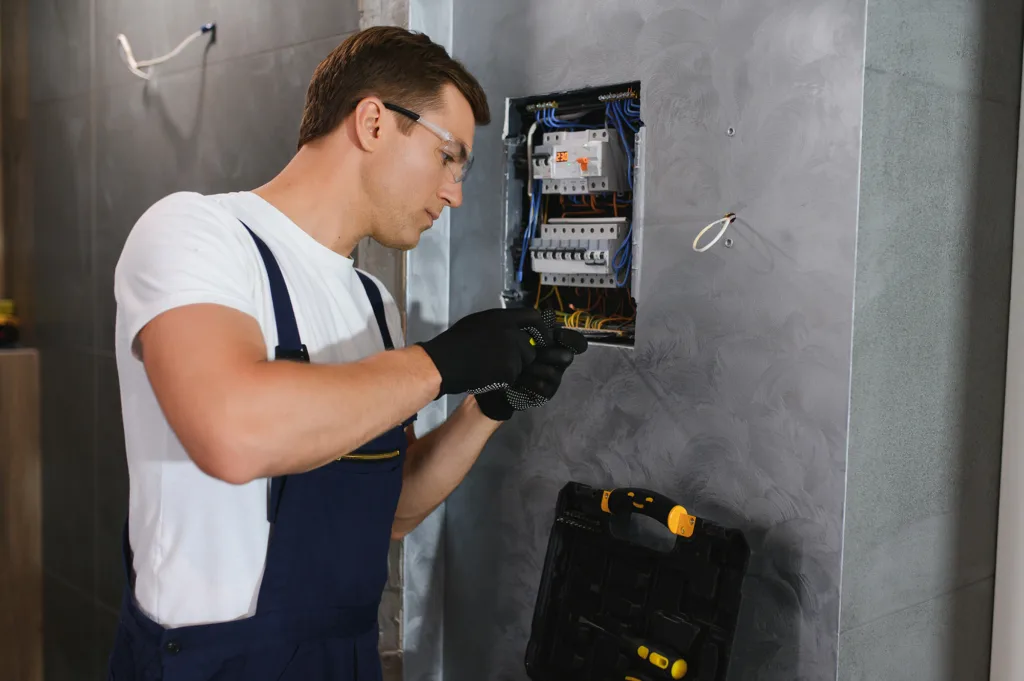
The replacement process involves several steps, starting with an assessment of your current panel’s capacity and condition. This is followed by the installation of the new panel, which may also require upgrades to your home’s wiring and circuits. It’s crucial to hire a certified electrician for this work to ensure it’s done safely and complies with all relevant regulations.
Benefits of a New Electrical Panel
Installing a new electrical panel can offer numerous benefits, from enhanced safety to increased property value.
Enhanced Safety and Reliability
A new electrical panel is equipped with the latest safety features, which significantly reduces the risk of electrical fires and other hazards. Additionally, it ensures a reliable power supply to all parts of your home, eliminating the frustrations of flickering lights or frequently tripped breakers.
This reliability is especially important in modern homes, where the demand for electricity is higher than ever. With more appliances, devices, and smart technologies in use, a new panel can ensure that your home’s electrical system is up to the task.
Increased Property Value
Finally, upgrading your electrical panel can increase your home’s market value. Potential buyers are likely to view a new, modern electrical system as a significant advantage, especially if they’re considering future expansions or the installation of energy-intensive devices like heat pumps or electric vehicle chargers.
Investing in a new electrical panel is not just about meeting today’s needs—it’s about future-proofing your home and ensuring that it remains safe, efficient, and valuable for years to come.
FAQs
How do I know if my electrical panel needs upgrading?
You may need to upgrade your panel if you experience frequent breaker trips, flickering lights, or if your panel is over 20 years old. Other signs include the presence of fuses instead of circuit breakers and visible signs of damage such as scorch marks.
Can I upgrade my electrical panel myself?
Upgrading an electrical panel involves complex work that must comply with UK regulations. It’s highly recommended to hire a certified electrician to carry out the upgrade to ensure it’s done safely and legally.
What is the cost of replacing an electrical panel in Cornwall?
The cost typically ranges from £500 to £2,500, depending on the panel size and the complexity of the installation. It’s best to get quotes from multiple electricians to ensure you’re getting a fair price.
Conclusion
Choosing the right electrical panel is a critical decision that impacts the safety, efficiency, and value of your home. By understanding the different types of panels, assessing your home’s power needs, and ensuring compliance with UK regulations, you can make an informed choice that meets both your current and future needs.
For those considering an upgrade or replacement, consulting with a professional is always the best approach. It ensures that your electrical system is not only safe and compliant but also capable of supporting your home for years to come. To get started, contact us for expert advice tailored to your specific needs.