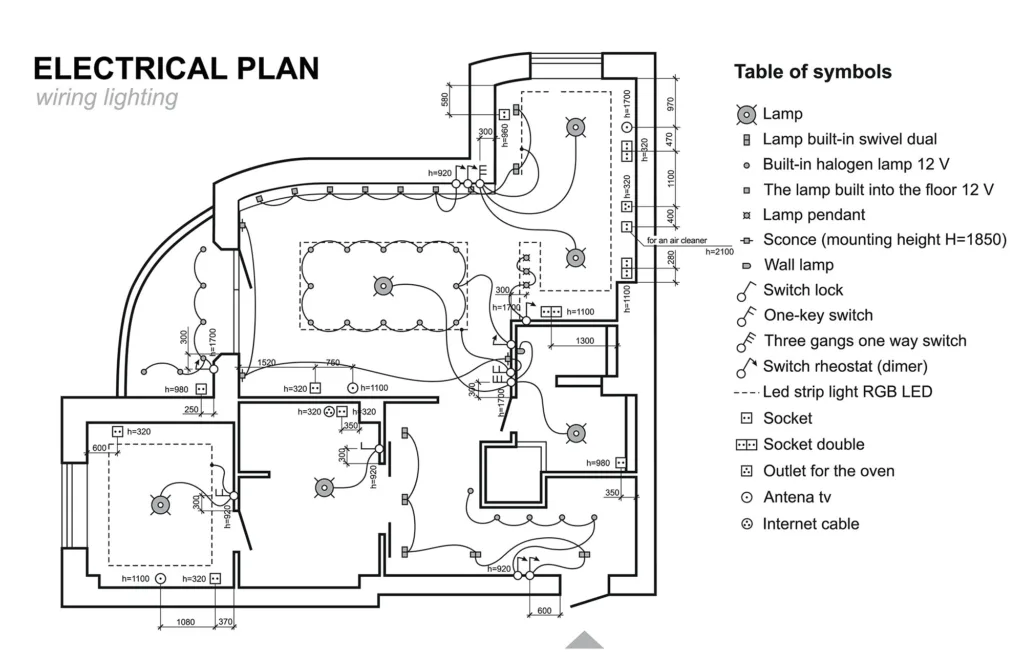
When planning a new home, most people focus on aesthetics—what colour the walls should be or how the kitchen will be arranged. But while these design decisions are exciting, an often-overlooked yet critical aspect is the electrical layout. Without a well-thought-out electrical system, even the most beautiful home can become a daily frustration. Imagine struggling with awkwardly placed sockets, overloaded circuits, or expensive rewiring jobs in the future. In Cornwall, these challenges are even more pronounced, given the region’s unique environmental factors and local regulations. Developers, take note: the electrical layout is as important as the foundation itself. Proper planning ensures that your new home is not only safe and efficient but also future-proofed to meet evolving energy demands.
Understanding the Importance of a Well-Designed Electrical Layout
Safety and Compliance with UK Building Regulations
Electrical safety and compliance are non-negotiable aspects of any new build in Cornwall. Ensuring that your electrical layout adheres to Part P of the Building Regulations is essential to avoid safety hazards and legal complications. Electrical regulations can be particularly tricky, given Cornwall’s coastal environment, where weather can affect material durability.
For those planning new builds, it’s vital to stay updated on local requirements. This includes making sure your electrical layout is certified and inspected by an authorised professional, preventing issues down the road. You can learn more about this from the Electrical Regulations in Cornwall.
To back this up, the UK government’s Planning Portal provides comprehensive guidelines on electrical regulations in residential properties. Ensuring that all electrical work complies with the required standards not only guarantees safety but also simplifies future property transactions. Read more on these regulations from the official Planning Portal.
Enhancing Energy Efficiency
As the drive for energy efficiency continues to grow, your electrical layout can help homeowners save on utility bills and reduce their environmental impact. Energy-efficient solutions are critical to lowering electricity consumption, which starts with optimising wiring paths and choosing the correct lighting systems.
Strategically placing sockets can prevent overuse of extension leads, reducing the risk of overheating and energy wastage. Efficiently planning your layout ensures that power is available where it’s needed, without wasteful overlaps. This is particularly relevant in Cornwall, where fluctuating energy prices make energy efficiency a priority for new homeowners.
Planning for Future-Proofing in New Homes
Designing with Smart Homes in Mind
Incorporating smart home technology into your electrical plan is increasingly common. As homeowners in Cornwall look for convenience and energy-saving solutions, the demand for smart lighting, thermostats, and even security systems is growing. Preparing your electrical system for future tech ensures that your homes stay modern and functional in the years to come.
At a minimum, your electrical layout should accommodate smart hubs and automation systems. Additionally, think about positioning charging ports for electric vehicles, which are becoming a staple in Cornwall homes. Consider installing three-phase wiring to support future upgrades, especially for larger homes.
Preparing for Renewable Energy Integration
Given Cornwall’s drive towards sustainability, many homeowners may wish to integrate renewable energy solutions like solar panels or energy storage systems into their homes. By planning your electrical layout with this in mind, you provide them with the infrastructure necessary to adopt these technologies without significant retrofitting later.
The key is to leave room in your electrical panel for connections to photovoltaic systems or battery storage units. This simple planning measure can make a new build more appealing to eco-conscious buyers who are keen to lower their carbon footprint.

Key Considerations for Electrical Layouts in Cornwall’s Homes
Adapting to the Unique Needs of Cornwall’s Coastal Environment
Cornwall’s coastal environment presents challenges that developers need to keep in mind when planning electrical layouts. Moisture and salty air can be corrosive to electrical systems, which is why it’s important to use corrosion-resistant materials. Outdoor installations, such as lighting or outdoor sockets, must be designed with weatherproofing in mind.
Inland homes aren’t exempt from weather-related issues either, as heavy rains and storms can cause electrical problems. Proper earthing and circuit protection are vital to ensuring safety during these events.
Room-by-Room Electrical Planning
Tailoring the electrical layout to specific rooms enhances both functionality and comfort. For instance, kitchens require more sockets than any other room due to the number of appliances. Consider placing sockets at multiple levels for both counter appliances and integrated devices.
In living areas, plan for modern entertainment systems by grouping power points for TV, gaming consoles, and sound systems together. Home offices, which have become a necessity for many in Cornwall, should feature extra outlets for computers and chargers, as well as the necessary cabling for strong Wi-Fi connections.
Collaborating with Electricians for Optimal Layouts
Importance of Consulting with Certified Local Electricians
One of the best decisions you can make as a developer is to collaborate with certified electricians. Cornwall’s local electricians are familiar with the region’s building requirements and are experienced in ensuring installations are safe, efficient, and future-proof. Working with experts from the start can prevent costly modifications later and ensure compliance with Cornwall-specific regulations.
For more on domestic services and certified electricians in the region, explore Wave Electrical Solutions’ Domestic Services.
FAQs about Electrical Layouts in New Homes
What is the best way to future-proof my electrical layout?
Planning for future needs is key. Install conduits for smart home technology, make provisions for renewable energy systems, and include plenty of sockets to prevent overloads.
How can I ensure my electrical layout is safe and compliant?
Always consult a certified electrician and follow local regulations like Part P to ensure all work meets safety standards. Regular inspections are essential for long-term compliance.
What should I consider for energy efficiency in my electrical design?
Opt for energy-saving lighting systems like LEDs, and place sockets strategically to reduce overuse of extension leads, improving safety and energy use.
Conclusion
A well-thought-out electrical layout does more than keep the lights on—it can transform a new home’s efficiency, safety, and future-readiness. From ensuring compliance with local regulations to planning for emerging technologies, developers in Cornwall have the opportunity to provide buyers with homes that meet today’s needs while preparing for tomorrow’s innovations.
To ensure your project meets all these criteria, consult with Wave Electrical Solutions, the experts in Cornwall’s electrical installations.