Running a business in Cornwall has its unique challenges, from managing costs to staying competitive in a constantly evolving marketplace. But what if you could enhance your workspace while saving money? With energy-efficient lighting solutions, you can significantly reduce overheads, boost sustainability, and improve the overall environment for employees and customers alike. Whether you’re managing a restaurant, office, or retail space, energy-efficient lighting isn’t just a smart upgrade—it’s a necessity.
Why Energy Efficiency Matters for Cornwall Businesses
In recent years, energy prices across the UK have continued to rise, putting pressure on businesses to find ways to cut operational costs. Cornwall’s business community, which includes a large number of small and medium enterprises (SMEs), can particularly benefit from energy-saving upgrades. By implementing energy-efficient lighting, you can lower your monthly electricity bills, improve the lighting quality in your commercial space, and contribute to environmental sustainability—an increasingly important factor for customers choosing where to spend their money.
Beyond the financial benefits, improving energy efficiency helps businesses meet government sustainability goals, such as those outlined in the UK’s commitment to achieving net-zero emissions by 2050. Energy-efficient lighting is an essential part of this transition.
Types of Energy-Efficient Lighting Solutions
There are several solutions that can help Cornwall’s commercial properties drastically reduce their energy consumption, from advanced LED lighting to smart controls that ensure you only use light when you need it. Here’s an overview of the key technologies available:
LED Lighting Technology
LEDs (Light Emitting Diodes) have revolutionised the lighting industry and are one of the most energy-efficient lighting options available. Traditional incandescent bulbs waste up to 90% of their energy as heat, while LEDs convert most of the energy into visible light, reducing energy consumption by up to 80%.
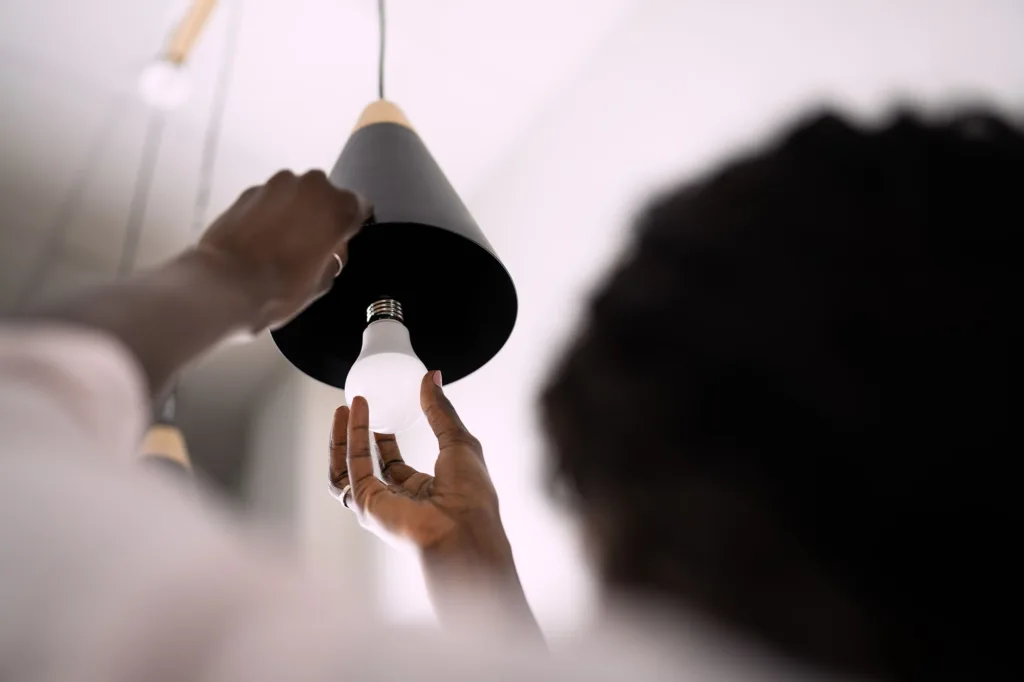
LEDs are not only energy-efficient but also last significantly longer—up to 50,000 hours of use. This means fewer replacements, reducing both maintenance costs and waste. LED lights come in a wide variety of shapes and sizes, allowing businesses to upgrade without the need for significant infrastructure changes.
For more tips on other ways to reduce energy consumption in your property, check out this guide on energy-efficient appliances for Cornwall homes.
Smart Lighting Controls and Sensors
Lighting controls, such as motion sensors, daylight harvesting, and dimming systems, can further reduce energy consumption by automatically adjusting the lighting based on occupancy or available natural light. Motion sensors ensure that lights turn off when rooms or areas are not in use, potentially cutting energy use by 30%.
Daylight harvesting systems adjust the artificial lighting based on the amount of natural light in a room, so you can optimise the balance between natural and artificial light.
Smart lighting systems also integrate well with building automation systems, allowing businesses to centrally control lighting schedules, monitor energy usage, and make adjustments from a single control point. To learn more about integrating smart lighting into your business, visit our Smart Homes Automation services.
Daylight Harvesting and Natural Lighting
Capitalising on natural light is a well-known method to reduce the need for artificial lighting, particularly in office spaces. With daylight harvesting systems, you can adjust the intensity of indoor lighting based on the availability of natural light, creating a comfortable environment for employees and visitors while cutting down on energy use. Well-lit spaces are proven to improve employee productivity and well-being, making natural light an essential element of a healthy work environment.

Retrofitting Your Commercial Property with Energy-Efficient Lighting
Upgrading your lighting system doesn’t always mean starting from scratch. In fact, retrofitting is often a cost-effective way to bring your commercial property in line with modern energy standards without needing to replace all fixtures. Retrofitting involves upgrading existing light fixtures with energy-efficient alternatives like LED bulbs or smart lighting controls.
Advantages of Retrofitting vs. Replacing
Retrofitting allows businesses to upgrade at a lower cost compared to a complete lighting system overhaul. Since LEDs and other modern lighting technologies can often be fitted into existing fixtures, you can minimise downtime and disruption to your business operations. Retrofitting is also a more environmentally conscious option as it reduces the waste produced by discarding old fixtures.
How to Approach a Lighting Retrofit
Before jumping into a retrofit project, it’s essential to conduct a lighting audit of your commercial space. This helps identify where energy is being wasted and which areas would benefit most from energy-efficient upgrades. Once the audit is complete, businesses can plan the retrofit by selecting the right combination of LED bulbs, smart controls, and sensors to meet their specific needs. Partnering with a professional ensures that your lighting system is optimised for both efficiency and performance.
If you’re looking for expert advice on retrofitting your commercial property, check out our page for our services.
Financial Benefits of Energy-Efficient Lighting
The immediate and most noticeable impact of upgrading to energy-efficient lighting is the reduction in energy bills. According to the Carbon Trust, businesses can save up to 80% on lighting costs by switching to LED technology and implementing lighting controls.
Lower Energy Bills
One of the main advantages of energy-efficient lighting is the drastic reduction in energy bills. LEDs consume significantly less energy than incandescent or halogen bulbs, and when combined with smart lighting controls, businesses can optimise energy use throughout the day, further reducing costs.
Reduced Maintenance Costs
With an extended lifespan, LED lights also save businesses on maintenance costs. Less frequent replacements mean fewer disruptions and lower overall maintenance expenses, making LEDs a cost-effective long-term investment.
Increased Property Value
Upgrading to energy-efficient lighting can enhance the market value of a commercial property. Prospective tenants and buyers are increasingly looking for buildings that offer low operating costs and align with sustainability goals. An energy-efficient building can also be eligible for tax breaks and incentives provided by the UK government, further increasing its value.
Environmental Impact and Regulations
Switching to energy-efficient lighting isn’t just about saving money; it’s also about reducing your environmental impact. By reducing energy consumption, businesses can significantly cut their carbon footprint and contribute to the UK’s overall efforts to reduce greenhouse gas emissions.
Reducing Your Carbon Footprint
Lighting accounts for a significant portion of a business’s energy consumption. By switching to energy-efficient lighting, businesses can reduce carbon emissions and contribute to the UK’s sustainability goals. Replacing outdated lighting systems with energy-efficient alternatives is one of the easiest ways to make a tangible difference.
Meeting Energy Efficiency Regulations
The UK government has introduced a range of regulations aimed at improving energy efficiency in commercial buildings. For example, the Energy Savings Opportunity Scheme (ESOS) mandates large businesses to audit their energy use and identify cost-effective energy-saving measures. Upgrading to energy-efficient lighting can help businesses meet these regulatory requirements while improving their bottom line. For more information on energy efficiency standards, visit the UK Green Building Council.
Getting Started with Energy-Efficient Lighting in Cornwall
Assess Your Current Lighting System
The first step in upgrading to energy-efficient lighting is assessing your current setup. An energy audit can help identify areas where improvements are needed and highlight the potential savings from switching to more efficient lighting.
Partner with Energy-Efficient Lighting Experts
Choosing the right partner to guide you through the process is essential. At Wave Electrical Solutions, we specialise in helping businesses in Cornwall upgrade to energy-efficient lighting solutions that reduce costs and improve performance. From planning to installation, we offer a full range of services to ensure your business benefits from the latest technologies. Get in touch with our team today to discuss your options.
FAQs
How much can I save by switching to energy-efficient lighting?
By upgrading to LED lighting and smart controls, you can save up to 80% on your energy bills.
What’s the difference between retrofitting and replacing lighting?
Retrofitting involves upgrading existing light fixtures with energy-efficient alternatives, while replacing means installing new fixtures entirely. Retrofitting is often more cost-effective and less disruptive.
Do I need to comply with any regulations for energy-efficient lighting?
Yes, UK businesses must meet certain energy efficiency standards. Upgrading your lighting system helps meet these regulations and can also make you eligible for government incentives.
Conclusion
Investing in energy-efficient lighting isn’t just about lowering your utility bills—it’s a forward-thinking choice that benefits your business, your employees, and the environment. By making simple upgrades like switching to LED bulbs and incorporating smart lighting controls, Cornwall businesses can cut costs, enhance workspaces, and contribute to a sustainable future. Get in touch today to find out how energy-efficient lighting can transform your commercial property.