Working with electricity always demands care. In some environments, that care needs to be taken several steps further. Industrial units, agricultural buildings, workshops, fuel storage areas and processing plants can all present conditions that increase the risk of fire or explosion. In these spaces, standard electrical fittings are not enough. The wrong switch, enclosure or light fitting can introduce an ignition source with serious consequences.
At Wave Electrical, we regularly support businesses that operate in demanding environments. While general commercial infrastructure planning is covered in our guide to setting up a safe and efficient electrical system for your business, hazardous commercial and industrial settings require a different level of planning and specification. Choosing the right equipment is not only about functionality. It is about compliance, duty of care and long-term protection.
Early Summary
Hazardous locations are areas where flammable gases, vapours, combustible dust or corrosive substances may be present. In these environments, electrical equipment must be specifically designed to prevent sparks, excessive heat or arcs that could ignite the atmosphere. UK regulations, including BS 7671 and ATEX-related requirements, set clear expectations for classification, installation and maintenance.
Selecting suitable equipment begins with understanding the type of hazard present and the zone classification. From there, the correct explosion-protected equipment, enclosures, cable glands and protective systems can be specified. The process demands careful assessment and competent installation to protect people, premises and operations.
What Makes a Location Hazardous?
Not every industrial or commercial space is classified as hazardous. The designation depends on the likelihood of an explosive atmosphere forming and how long it may be present.
Flammable Gases and Vapours
Petrol stations, paint spray booths, chemical storage areas and certain manufacturing facilities may release flammable gases or vapours. When these mix with air in the right proportions, a single spark can trigger ignition. Electrical switches, contactors, motors and lighting can all produce arcs or heat during normal operation. In a hazardous atmosphere, that everyday activity becomes a serious risk.
We approach these environments by assessing the potential sources of release and the frequency of exposure. That assessment forms the basis of zone classification and ultimately dictates the type of equipment that can be installed safely.
Combustible Dust
Dust is often underestimated. In agricultural processing plants, woodworking workshops, grain silos and food production facilities, fine dust particles can accumulate and become airborne. When suspended in air, combustible dust can ignite explosively if exposed to sufficient heat or a spark.
Dust also has the ability to settle inside equipment, increasing internal temperatures and creating secondary ignition risks. For this reason, enclosure integrity and ingress protection are particularly important in dust-prone environments.
High Moisture and Corrosive Environments
Coastal facilities, wastewater treatment plants and chemical processing sites present additional challenges. High humidity, salt-laden air and corrosive substances can degrade standard fittings quickly. Over time, corrosion compromises seals and cable entries, allowing moisture or contaminants to reach live components.
In these cases, hazardous risk may combine with environmental degradation. Equipment must therefore be suitable for explosive atmospheres and resistant to corrosion.
Understanding Hazardous Area Classifications
Correct equipment selection starts with classification. In the UK, hazardous areas are divided into zones based on the likelihood and duration of an explosive atmosphere.
Zone 0, Zone 1 and Zone 2
For gases and vapours:
- Zone 0 is where an explosive atmosphere is present continuously or for long periods.
- Zone 1 is where it is likely to occur in normal operation.
- Zone 2 is where it is not likely in normal operation and, if it does occur, will only exist for a short time.
The stricter the zone, the higher the level of protection required. Equipment installed in Zone 0 must meet more demanding standards than that installed in Zone 2.
Zone 20, Zone 21 and Zone 22
For combustible dust:
- Zone 20 involves continuous or long periods of dust presence.
- Zone 21 involves likely dust presence during normal operation.
- Zone 22 involves dust presence only in abnormal conditions and for short durations.
Each classification influences the equipment category permitted within that area.
Why Zoning Determines Equipment Choice
Zoning is not a paperwork exercise. It directly controls what can and cannot be installed. Flameproof enclosures, intrinsically safe circuits and increased safety equipment are selected based on zone requirements. Installing lower-rated equipment in a higher-risk zone is not a minor oversight. It is a compliance failure with potentially severe consequences.
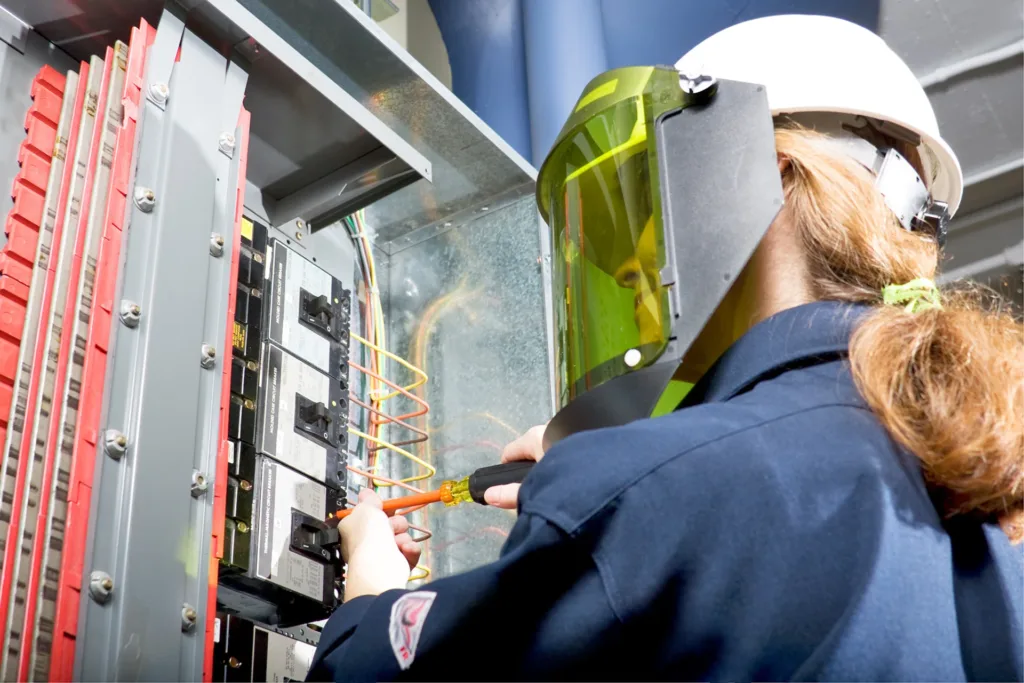
Key Types of Electrical Equipment for Hazardous Areas
Once classification is complete, attention turns to equipment specification.
Explosion-Protected Equipment
Explosion-protected equipment is often marked with “Ex” ratings. These indicate the protection method used, such as:
- Flameproof enclosures designed to contain an internal explosion.
- Increased safety designs that prevent arcs and excessive temperatures.
- Intrinsically safe systems that limit electrical energy to levels incapable of causing ignition.
Each method addresses ignition risk differently. Selection depends on the zone, the nature of the hazard and the operational requirements of the installation.
Hazardous Area Enclosures
Enclosures play a central role in protecting internal components. They must prevent ingress of dust and moisture while maintaining structural integrity in harsh environments. Material choice matters. Stainless steel or specialist coated enclosures are often required in corrosive settings.
Ingress Protection ratings indicate how well an enclosure resists solids and liquids. In hazardous areas, the IP rating must align with environmental exposure as well as explosion protection requirements.
Cable Glands and Sealing Systems
Smaller components are frequently overlooked. Cable glands and seals ensure that hazardous atmospheres cannot track along cable entries into enclosures. Incorrectly specified glands can undermine an otherwise compliant installation.
Every penetration point must maintain the integrity of the protection method. This level of detail is where experienced installation teams make a measurable difference.
UK Regulations and Compliance
Hazardous area installations are governed by clear standards. BS 7671 sets out requirements for electrical installations, while explosive atmospheres are addressed through ATEX-related regulations and the Dangerous Substances and Explosive Atmospheres Regulations.
The Health and Safety Executive provides detailed guidance on controlling risks in explosive atmospheres, including classification and equipment selection, which can be reviewed on the HSE website.
Compliance extends beyond product markings. Design, installation, inspection and documentation must all align with regulatory expectations.
Inspection, Testing and Ongoing Maintenance
Even correctly specified equipment requires routine inspection. Seals can degrade, corrosion can develop and operational changes may alter risk profiles. Periodic inspection ensures that protection methods remain effective over time.
Hazardous area installations often sit within wider commercial electrical systems. When upgrading facilities or planning expansion, it is important that hazardous zone requirements are integrated into the broader commercial infrastructure strategy, which is why our commercial electrical services are structured to support complex environments from initial design through to certification.
Common Mistakes When Selecting Equipment
In our experience, most compliance failures are avoidable.
Using Standard Commercial Fittings
Standard switches, luminaires or junction boxes are not suitable substitutes in classified areas. Even if they appear robust, they lack the required testing and certification.
Overlooking IP Ratings
An enclosure with the correct explosion protection rating may still fail if it does not offer sufficient protection against dust or water ingress. Both aspects must be considered together.
Failing to Consider Future Changes
Operational processes evolve. Increased production, new materials or layout changes can alter zone classifications. Equipment that was suitable at installation may no longer meet requirements if conditions change.
Professional Design and Installation
Hazardous area electrical work demands competence, experience and attention to detail. Risk assessment, zoning, equipment specification and installation must align from the outset. Attempting to adapt standard systems without specialist input introduces unnecessary risk.
Our team works with business owners, facilities managers and contractors to design compliant systems from the ground up. From detailed assessments through to final testing and certification, we focus on delivering installations that are safe, durable and aligned with current standards.
FAQs
What is ATEX-rated electrical equipment?
ATEX-rated equipment is designed and certified for use in explosive atmospheres within the UK and Europe. It meets defined standards that limit ignition risk in hazardous zones.
Can standard equipment ever be used in a hazardous area?
Standard equipment should not be installed within classified zones. Only equipment specifically certified for the relevant zone and hazard type is permitted.
Who is responsible for hazardous area compliance?
The duty holder, often the employer or site operator, is responsible for ensuring risks are assessed and suitable equipment is installed and maintained.
Conclusion
Choosing the right electrical equipment for hazardous locations is a structured process built on assessment, classification and careful specification. It requires a clear understanding of the substances present, the likelihood of explosive atmospheres forming and the operational realities of the site. Equipment must be matched precisely to the identified zone and installed with attention to every seal, gland and enclosure detail.
At Wave Electrical, we support businesses in creating safer working environments through considered design and compliant installation. If you operate in a potentially hazardous setting and need guidance on equipment selection or system upgrades, our team is ready to help. You can contact us directly to discuss your project and ensure your installation meets the required standards.