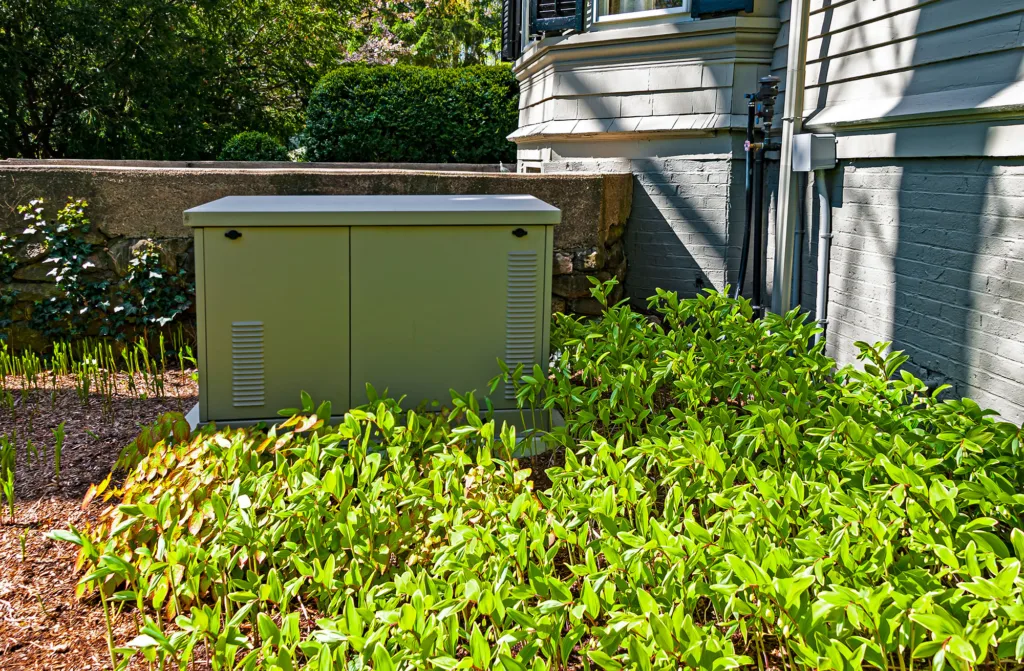
Power cuts are never convenient, and in some cases they can be more than an inconvenience. In rural areas, or in places prone to severe weather, having a standby generator is often the difference between staying comfortable and facing major disruption. But a generator on its own is not enough. Without the right connection system, you risk unsafe backfeeding, equipment damage, and even electrocution. That’s where transfer switches come in.
A transfer switch ensures electricity flows smoothly and safely when the mains supply fails. It isolates your home or business from the grid and directs power from the generator only where it’s needed. The choice of switch will depend on your property, the type of generator you use, and how much of your electrical system you want backed up. Selecting the right switch can seem complicated, but by breaking down the options, regulations, and practical considerations, you’ll be in a far stronger position to make the best decision.
For property owners in Cornwall and beyond, this isn’t only about convenience—it’s about resilience. Storms, load shedding, and network failures can strike with little warning, so planning ahead is vital. Before we look at the different types of transfer switches, it’s worth understanding their role in electrical safety and why they’re an essential part of any generator setup.
What is a Transfer Switch and Why Do You Need One?
A transfer switch is a control device that connects a generator to a building’s wiring in a safe and regulated way. When the mains supply is available, the switch ensures the property runs as normal. If the mains fails, the switch transfers the load to the generator. This prevents backfeeding into the utility supply, which could endanger engineers working on the network and damage appliances inside your property.
In the UK, the wiring system operates at 230 volts, and household circuits are typically protected through a consumer unit fitted with miniature circuit breakers or RCBOs. Adding a generator directly without a transfer switch would bypass these protections, leading to serious hazards. That’s why both domestic and commercial installations must comply with the BS 7671 Wiring Regulations.
Without a switch, you would need to run extension leads directly from the generator to appliances, which is both impractical and unsafe. A properly installed transfer switch makes the generator feel like part of your electrical system, allowing you to keep essential circuits powered—such as lighting, refrigeration, or medical equipment—without disrupting the rest of the installation.
Types of Transfer Switches Explained
Not all transfer switches are the same, and the choice you make will determine how easy it is to switch to backup power during an outage. Broadly, they fall into three categories: manual, automatic, and smart systems.
Manual Transfer Switches
A manual transfer switch is the most straightforward and affordable option. In the event of a power cut, you physically move the switch to change the supply from the mains to the generator. This gives you complete control but does mean you must be present to operate it.
For smaller households or holiday cottages that only require essential circuits to stay live, a manual switch can be sufficient. The main drawback is the delay—if you are away when a power cut occurs, the property remains without power until you return and operate the switch.
Automatic Transfer Switches (ATS)
An automatic transfer switch takes convenience a step further. It constantly monitors the mains supply and, the moment it detects a failure, it switches over to the generator. When the mains returns, it automatically switches back. This process happens in seconds, making it ideal for homes with vulnerable occupants, businesses that rely on continuous operation, or anyone who cannot afford downtime.
ATS units are typically paired with standby generators that are permanently installed and ready to run. They are more expensive than manual versions, but the peace of mind and seamless changeover make them the most popular choice for critical applications.
Smart and Advanced Systems
The newest generation of transfer switches includes smart features. These can prioritise certain circuits, manage load shedding automatically, and allow remote monitoring via smartphone or computer. For example, you could configure the switch to keep refrigeration and heating running while leaving non-essential appliances offline, maximising the run time of your generator.
Smart systems are particularly valuable for larger properties and businesses that need flexibility. While the upfront investment is higher, the long-term efficiency and control can reduce running costs and extend the life of your equipment.
Key Factors When Choosing a Transfer Switch
Selecting the right transfer switch is not only about choosing between manual or automatic. Several technical and practical factors come into play, and getting them right ensures both safety and reliability.
Matching Switch to Generator Capacity
Your transfer switch must be rated to handle the maximum output of your generator. If the switch is undersized, it can overheat or fail under load. Always check the generator’s kVA rating and ensure the switch’s capacity matches or exceeds it. For larger standby systems, a qualified electrician will calculate load demands and specify the correct switch size.
Whole-house vs Essential Circuits Only
One of the biggest decisions is whether you want your entire property powered during an outage, or only the most important circuits. Whole-house systems provide total coverage but require larger generators and higher-capacity switches, which come at a cost. Essential-circuit switches are wired to specific loads—such as lighting, sockets for refrigeration, or medical equipment—making them more economical while still offering peace of mind.
Single-phase and Three-phase Considerations
Domestic properties in the UK generally use single-phase supply, while many commercial premises operate on three-phase. Your transfer switch must match the supply type. A mismatch could result in dangerous wiring faults or equipment not functioning correctly. This is why professional installation is vital.
Safety and Compliance with UK Wiring Regulations
Every transfer switch installation must comply with the BS 7671 Wiring Regulations and, for domestic dwellings, Part P of the Building Regulations. These rules exist to ensure electrical safety and protect occupants from shock, fire, or system failure. Installing a transfer switch is not a DIY task—it requires certification and testing by a competent electrician.
Installation and Regulatory Requirements in the UK
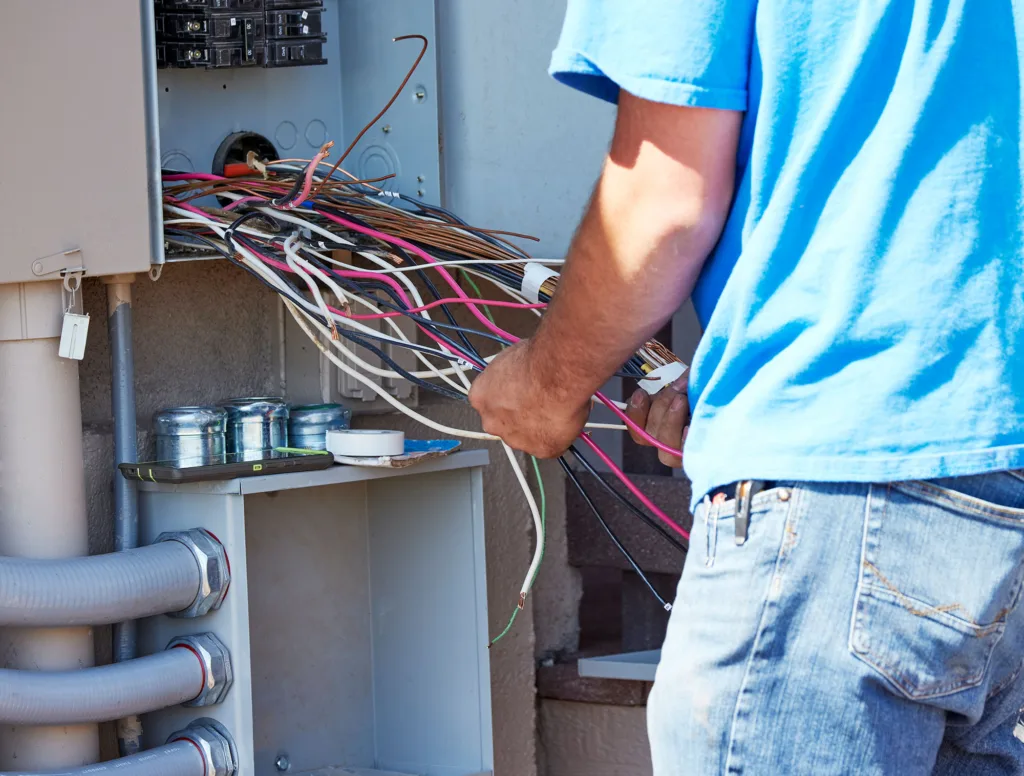
Fitting a transfer switch is not a plug-and-play task. It requires proper integration with your consumer unit, correct protection, and safe switching between mains and generator. Because of the risks of backfeeding and overloading, only a qualified electrician should carry out this work.
All installations must comply with the BS 7671 regulations, which set the national standard for electrical safety. For homes, the work also comes under Part P rules, meaning it must be notified and certified to prove compliance. Ignoring these requirements can make your system unsafe and may even void your home insurance.
A professional installer will also carry out live testing, ensuring the generator, switch, and property circuits all work as intended. This guarantees the installation is safe and that backup power will be reliable when the mains supply fails.
Practical Tips for Property Owners
Even after installation, a transfer switch should not be forgotten about. Like the generator itself, it benefits from checks and planning to make sure it works properly when needed most.
- Routine checks: Regularly test the switchover process so you know the system is ready.
- Load planning: Decide in advance which circuits to prioritise to avoid overloading your generator.
- Storm planning: In regions like Cornwall, bad weather can cause frequent outages. Preparing your system early can reduce disruption – see our guide on storm preparedness.
- Managing outages: With planned interruptions such as load shedding, a well-chosen transfer switch allows you to keep critical circuits running while avoiding wasted energy.
These simple steps, combined with routine servicing by an electrician, will keep your generator system dependable year-round.
Frequently Asked Questions
Can I install a transfer switch myself?
No. In the UK, this work must be carried out by a qualified electrician. It comes under Part P, meaning certification is legally required.
Do I need a manual or automatic switch?
Manual switches are cheaper and fine for small homes or second properties. Automatic switches are recommended for main residences, businesses, or anywhere that needs seamless backup power.
How do I choose the right size switch?
The switch must match the generator’s output and your property’s load requirements. An electrician can calculate this and advise whether a whole-house or essential-circuits setup is best.
Conclusion
A generator is only as useful as the system that connects it safely to your property. A transfer switch makes that connection secure, compliant, and dependable. By choosing the right switch—manual, automatic, or smart—you ensure your home or business can keep running when the grid goes down.
Think about which circuits are most important, consider the risks of storms or planned outages, and always follow the correct standards. A properly installed switch protects your appliances, your property, and your safety.
For tailored advice and professional installation, speak to the team at Wave Electrical Solutions.