
Transforming your outdoor area into a stylish, comfortable, and functional retreat doesn’t require a total renovation. With well-planned lighting and strategically placed sockets, any garden or patio can become a space where you want to spend more time – day or night. Whether it’s for relaxing summer evenings, family barbecues, or working from a shaded terrace, the right electrical setup turns a standard garden into an extended living space. But achieving this requires more than stringing up fairy lights and plugging in an extension lead. It takes proper planning, weatherproof fittings, and safe, compliant installation – all tailored for the British climate and regulatory standards.
Planning Your Outdoor Electrical Layout
Define Your Outdoor Zones
Before you start buying lights or sockets, you need to understand how your garden is used. Are there designated seating areas? Will you have a shed or greenhouse that needs power? How about a water feature or hot tub? Dividing your garden into zones based on function makes it easier to plan where you’ll need lighting and electrical access. For example, a cooking or BBQ area may benefit from bright task lighting, while a seating space might be better suited to softer, ambient options.
Identifying these zones early helps to avoid overloading circuits or under-lighting important areas. It also ensures you don’t waste time and money on installations that don’t serve a clear purpose.
Safety First – Planning with Regulations in Mind
Outdoor electrics come with added risks due to exposure to the elements. This is why safety must be at the forefront of your planning. Under Part P of the Building Regulations, most outdoor electrical work is notifiable and must meet British Standards (BS 7671). That means installations must be designed to protect against electric shock, overcurrent, and other common hazards.
Moreover, you’ll want to make sure any outdoor lighting or socket installations are compatible with your existing consumer unit and that RCD (Residual Current Device) protection is in place.
Seek Professional Advice for Initial Setups
Unless you’re trained and certified, designing a safe, compliant electrical layout outdoors isn’t a DIY job. A registered electrician will be able to assess your garden’s needs, plan the safest cable routes, and select equipment rated for outdoor use. They’ll also be able to advise on the load capacity of your system and make recommendations to future-proof your setup.
Weatherproof Power Solutions for Outdoor Use
Choosing IP-Rated Sockets and Enclosures
Outdoor electrical fittings must be chosen based on their resistance to water and dust. This is measured by the IP (Ingress Protection) rating. For most UK garden installations, you should be looking at a minimum rating of IP66. This ensures that the socket is both dust-tight and resistant to heavy rain or jets of water from any direction.
Look for weatherproof sockets with covers that automatically close when not in use. Some models even include LED indicators to show power status, which can be useful during the darker months.
Importance of RCD Protection
RCDs are essential for any outdoor socket. These devices instantly disconnect the circuit if they detect a fault, significantly reducing the risk of electric shock. They are especially critical when using electrical equipment in damp conditions – think lawnmowers, strimmers, or outdoor heaters.
For help with choosing electrical solutions tailored to outdoor use, browse the full range available at Wave Electrical Solutions.
Cable Management and Underground Wiring Tips
Cables running outside must be suitable for external conditions. If you’re burying cables, they must be run in conduit and buried at an appropriate depth to protect against accidental damage. Surface-mounted cables need to be clipped securely and kept away from potential hazards, such as garden tools or pets.
It’s also worth considering installation in steel wire armoured (SWA) cable, especially for long runs or circuits supplying heavy-load equipment like hot tubs or outdoor kitchens.
Strategic Outdoor Lighting Placement
Highlighting Pathways and Entry Points
Lighting up paths and doorways is essential not only for safety but also to visually define the structure of your garden. Bollard lights along walkways or recessed fittings on steps provide a practical route while adding visual interest. Entry points like side gates or French doors also benefit from motion-sensor lights, which automatically switch on to guide your way or alert you to movement.
Lighting for Social and Dining Areas
Outdoor dining and entertaining demand proper visibility, but not the harsh glare of traditional security lighting. Wall-mounted up/down lights, festoon strings overhead, or pendant-style fittings in covered seating areas provide both brightness and character. A key principle is to blend task lighting with decorative touches to keep the mood inviting without compromising on functionality.
If you’re thinking of turning your garden into a place for relaxing, dining, or even working, this guide to creating outdoor living areas with electrics can offer inspiration.
Showcasing Landscaping with Spotlights and Uplighting
Accent lighting can bring shrubs, trees, or water features to life after sunset. Adjustable spike lights directed at trunks or uplights nestled beneath garden sculptures create depth and draw attention to key focal points. Think of it like setting the stage – each element becomes part of the backdrop that transforms your garden into a space worth spending time in.
Compliant and Safe Installation Tips
Follow BS 7671 Wiring Regulations
Outdoor electrics in the UK are governed by strict standards for a reason – safety. The British Standard BS 7671 outlines how electrical installations must be designed, installed, and maintained. When dealing with damp environments like gardens, compliance becomes even more crucial. That includes using outdoor-rated cabling, fittings with the right IP ratings, and ensuring all circuits supplying external equipment are RCD protected.
Hire Certified Electricians for Installations
Installing outdoor sockets or lighting isn’t as straightforward as indoors. You’re dealing with exposure to moisture, UV rays, and physical damage – all of which require materials and expertise that go beyond standard domestic work. A certified electrician will assess your layout, select proper containment, and ensure all work complies with Part P of the Building Regulations. They’ll also be able to issue certificates for legal compliance and home insurance records.
For professional help, explore our qualified outdoor electrics installation services at Wave Electrical Solutions.
Periodic Safety Checks and Maintenance
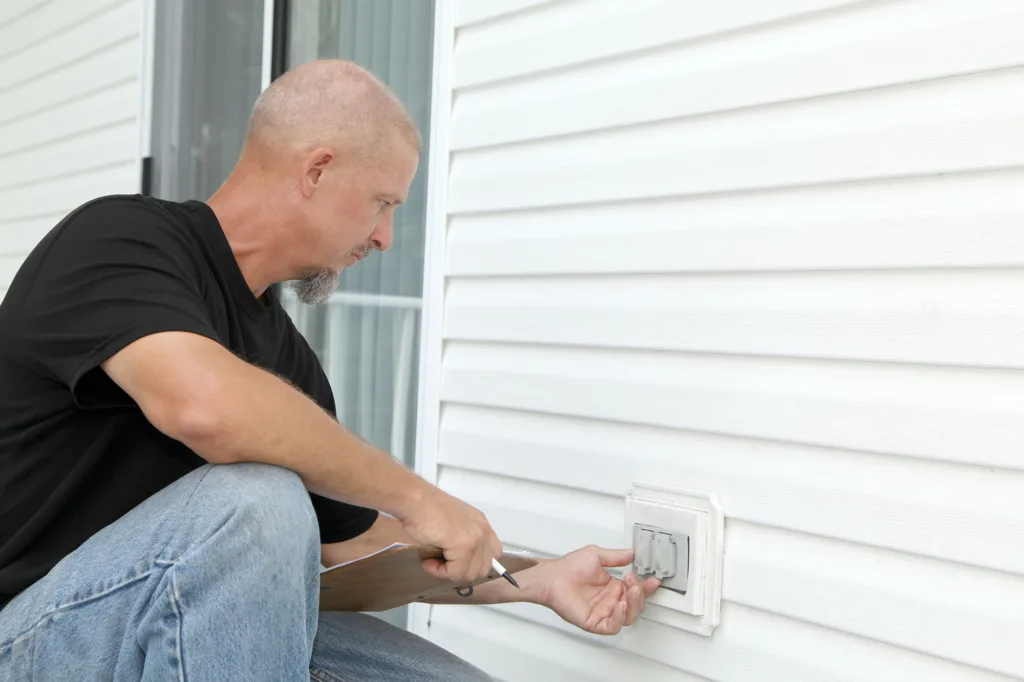
Once installed, outdoor electrics need regular inspections. Weather exposure can deteriorate enclosures, corrode fittings, or loosen connections. Make it a habit to check all outlets and light fixtures at least once a year. Keep an eye on signs of wear, such as discolouration or water ingress, and replace any suspect components promptly.
FAQs
What IP rating should outdoor sockets have?
Outdoor sockets should have a minimum IP66 rating. This ensures complete protection against dust and resistance to strong water jets, making them safe for use even during heavy rain.
Can I install outdoor lighting myself?
While you can install some solar or plug-in lights, any hardwired lighting or socket installations should be handled by a qualified electrician to ensure compliance with UK electrical regulations.
How do I power lighting in the garden safely?
Safe power supply to garden lighting includes using SWA cable for underground wiring, protecting circuits with RCDs, and choosing fittings with suitable IP ratings. All installations should be inspected regularly and ideally certified.
Conclusion
Creating the perfect outdoor space is a blend of design, function, and safety. It’s not about how many lights you hang or how many sockets you install – it’s about placing the right equipment in the right locations and making sure everything is built to last through British weather. From highlighting your favourite plants to powering a summer kitchen, a solid electrical setup brings convenience and atmosphere outdoors.
And it’s worth doing properly. Working with professionals helps you avoid shortcuts that lead to hazards down the line. A well-planned outdoor electrical system will serve you year-round – whether you’re sipping wine on the patio or mowing the lawn in spring.
To start planning with the right help, consider browsing our electrical solutions tailored to outdoor use at Wave Electrical Solutions.