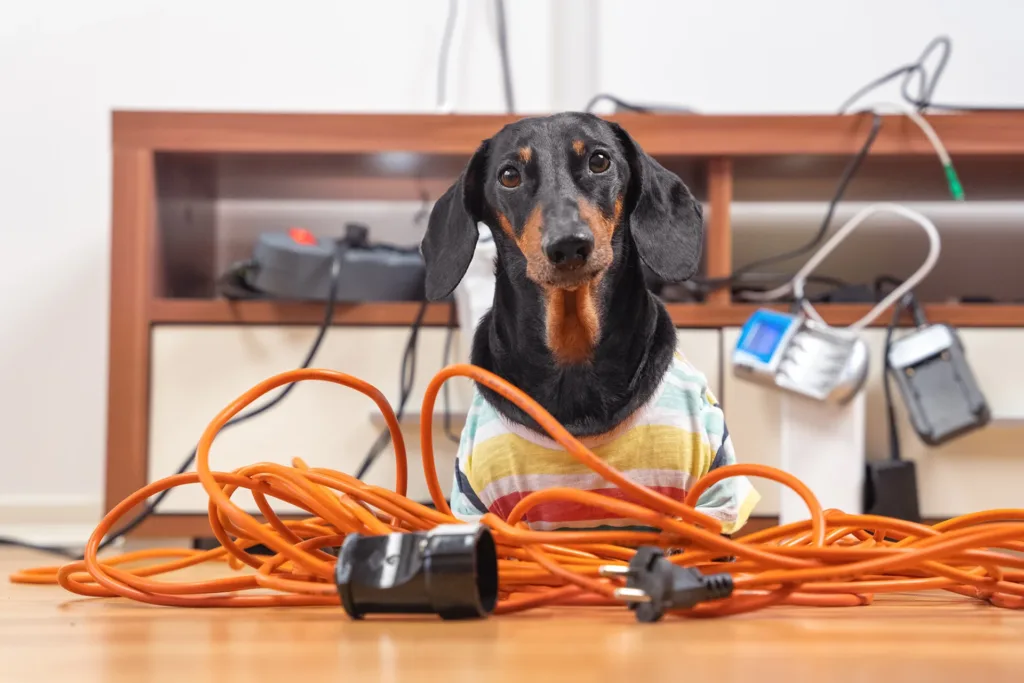
Pet-proofing a home often stops at cupboard latches and stair gates — but when it comes to electrical safety, many owners overlook everyday risks hiding in plain sight. From a dangling phone charger to an unguarded socket-outlet, these seemingly harmless setups can pose serious dangers for our furry companions.
In the UK, where the average household contains dozens of electrical appliances, the potential for pets to encounter exposed live parts or chew through flexes is a growing concern. Cats might nestle behind warm appliances, while puppies or house rabbits are notorious for gnawing on cables. These innocent behaviours can lead to electrocution, burns, or even fire hazards if left unchecked.
As responsible pet owners, it’s not enough to keep food bowls full and tails wagging — ensuring a safe electrical environment is just as important. This guide walks through practical and affordable steps to keep both your pets and home safe from electrical accidents, without compromising on your lifestyle or convenience.
Understanding Common Electrical Risks for Pets
Why Pets Are Attracted to Electrical Items
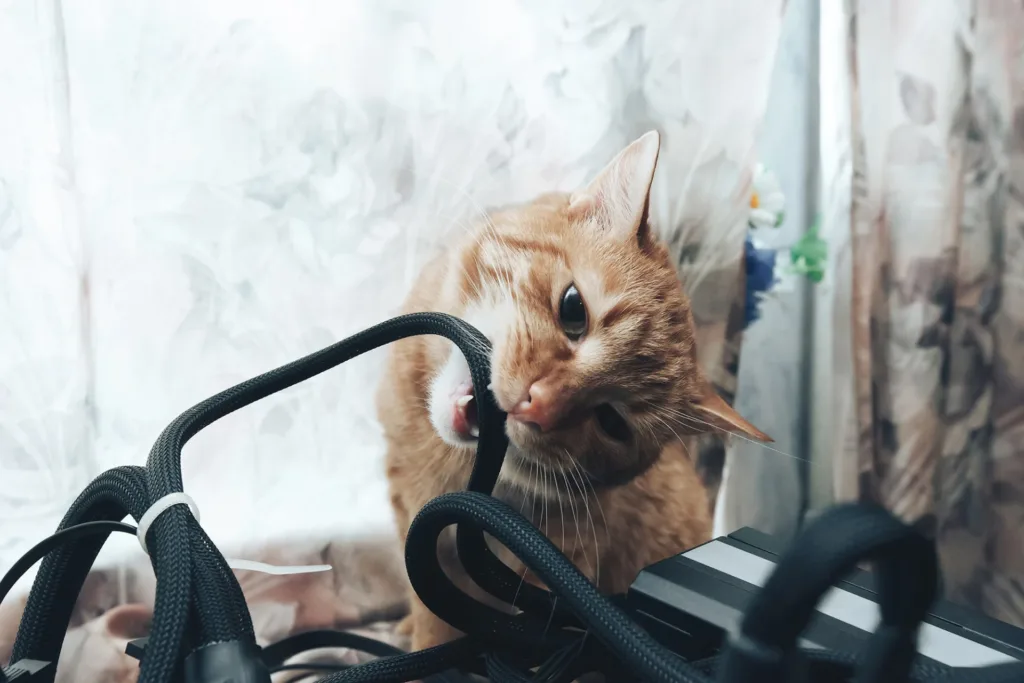
It might seem baffling, but pets are often drawn to electrical components. There are a few reasons why. Firstly, many devices — like internet routers or chargers — emit heat. Cats especially enjoy the warmth and may rest nearby or on top of them. Dogs, particularly when teething, may chew anything resembling a toy or stick, which includes flexes or cables.
Rodents, including rabbits and hamsters, are instinctive chewers. If allowed to roam freely, they’ll seek out anything pliable — and unfortunately, electrical cords are often within easy reach. It’s not about bad behaviour; it’s instinctive and, without intervention, dangerous.
Top Electrical Hazards in Homes
Understanding the risks is half the battle. Here are some of the most common dangers:
- Chewed Cables and Flexes: Pets can pierce the insulation, exposing live cores, which may lead to serious electric shock or house fires.
- Open or Low-Mounted Socket-Outlets: Curious pets may paw or lick these outlets, especially if they’re within nose level.
- Overloaded Multi-Way Adaptors: Not only a fire risk but also easy to trip over — causing injuries to pets and damaging the electrics.
- Water Near Electrics: Bowls placed close to sockets or appliances, especially in kitchens, raise the risk of short circuits.
- Free-Standing Heaters or Lamps: These can easily be knocked over or chewed on, leading to electrical or burn injuries.
Simple and Effective Safety Measures
When it comes to preventing electrical accidents, a few simple adjustments around the home can make a massive difference. These solutions don’t require major rewiring or costly modifications — just some foresight and a few practical tools.
Secure and Organise Electrical Cables
Loose flexes are a magnet for pets. Not only are they tempting to chew, but they also present a tripping hazard — especially for smaller animals that weave through furniture.
Start by tucking away unnecessary cables. Use cable trunking or cord covers to keep them out of reach or hidden behind skirting boards. You can also invest in floor-level cable tidy boxes which allow multiple wires to be bundled together safely.
Avoid leaving mobile phone chargers or laptop adaptors plugged in at low levels when not in use. These are common chew targets and should always be removed or stored in drawers.
For more permanent setups, running wires through conduits or beneath floorboards is the best way to keep things tidy and tamper-proof. Cable management doesn’t have to ruin the look of your home — many trunking options are slimline and can be painted to match your walls.
Pet-Proof Your Socket-Outlets and Extensions
While it’s not common for pets to stick objects into socket-outlets, their mouths and paws can still come into dangerous contact — especially if the outlet is faulty or missing a faceplate.
Fit high-quality socket covers on all accessible outlets. These are especially important in rooms where pets are left unsupervised, such as utility rooms or hallways.
Multi-way adaptors should be used sparingly and only if they meet British Safety Standards. Avoid overloading them and never place them within chewing distance of inquisitive pets. Instead, consider surge-protected extension leads that can be mounted to walls above pet reach.
Raised socket-outlets are a smart option if you’re planning any home renovations — positioning them above skirting level makes them less accessible to cats, dogs, and other pets.
Safe Use of Household Appliances
Appliances left plugged in or running unattended can be dangerous — not just for your pets but for your entire household.
Heaters, irons, hairdryers, and electric blankets are among the top offenders. When these devices are left warm or plugged in, pets are often attracted to the heat or smell. Always unplug them after use and let them cool down before storing.
It’s also crucial to ensure all appliances are in good condition. Check the flex regularly for signs of damage and replace any cracked plugs or loose wires. Use appliances that come with built-in safety features like auto shut-off or thermal fuses.
Additionally, every home in the UK should be fitted with RCD protection — either via the consumer unit or on individual socket-outlets. This is not optional. It’s a requirement under Approved Document P, which governs electrical safety in domestic dwellings. RCDs disconnect electricity immediately upon detecting a fault, which can be life-saving in the event of contact with exposed wiring.
Need professional help assessing your current setup? Our team can guide you through pet-safe electrical upgrades for your home: Wave Electrical Solutions Domestic Services.
Training and Behavioural Strategies
Keeping pets safe around electrics isn’t just about physical barriers — it also involves a bit of training and smart behaviour reinforcement. With consistency and patience, you can steer pets away from danger zones and discourage risky habits altogether.
Discouraging Wire Chewing
If your pet has taken a liking to nibbling on flexes or cables, the first step is to eliminate temptation. But that’s not always enough — particularly with young dogs, house rabbits or ferrets, who chew out of habit or boredom.
You can buy pet-safe bitter sprays from most pet shops. These sprays leave an unpleasant taste on cables, deterring chewing without causing any harm. Make sure to test the spray on a small area first, especially if the wire casing is coloured or coated.
Another strategy is to replace the habit with something safer. Offer chew toys, ropes, or food-dispensing puzzles as alternatives. The goal is to make wires the least interesting option in the room. For pets that need more mental stimulation, rotating toys regularly can help.
And don’t forget supervision. Until you’re confident your pet knows what’s off-limits, it’s best to keep them out of rooms with exposed electrics when unsupervised.
Creating Pet-Safe Zones
Sometimes, the best solution is a physical boundary. Creating designated areas where pets can roam freely — away from the most vulnerable outlets or appliances — adds another layer of protection.
Use pet gates to restrict access to utility rooms or studies where multiple devices are often left plugged in. In bedrooms, consider positioning charging stations on higher surfaces, away from paws or tails.
If you’ve got a home office or entertainment setup with multiple wires, use playpens or cable covers to create a visual and physical barrier. Even something as simple as a floor rug can prevent small pets from getting to cables lying beneath.
For households with reptiles or small animals in enclosures, ensure any lighting or heating systems are secured with guards and that the plugs are outside the enclosure — ideally raised and protected.
Room-by-Room Safety Breakdown
Every room in your home has its own electrical setup — and its own risks. Taking a tailored approach to safety helps you spot hazards you might otherwise miss.
Living Room
It’s the heart of most homes, often packed with devices: TVs, game consoles, lamps, and speakers. This means plenty of flexes and plug-in points within easy reach of pets.
- Tidy up entertainment units with cable trunking to hide wires behind furniture.
- Use wall-mounted sockets where possible, and avoid leaving extension leads coiled or lying loose on the floor.
- Keep remotes and chargers off sofas or low tables, as pets may play with or chew them.
Kitchen
Between kettles, toasters, washing machines and dishwashers, the kitchen can be an electrics minefield for pets — especially small ones like cats or terriers.
- Unplug small appliances when not in use and store them in cupboards.
- Keep cables tucked away and never let them dangle from worktops — even a tail swipe can knock something off.
- Avoid placing pet food or water bowls near socket-outlets. Even minor spills can cause a fault.
Bedroom
Bedrooms are often a charging hub for phones, tablets, and other personal devices — but they’re also where electric blankets and heaters are most commonly used.
- Use timers or smart plugs to avoid leaving electric blankets switched on for too long.
- Secure cables from lamps or chargers behind bedside tables or under the carpet edge.
- If you have young pets, keep an eye on bedside sockets, which are often installed at chewable height.
Creating consistent safety habits in each room builds an environment that’s both pet-friendly and functionally sound.
Emergency Response: If Your Pet Gets an Electric Shock
Despite the best efforts, accidents can still happen. If your pet comes into contact with live electricity, acting quickly and calmly is essential.
- First, switch off the power at the consumer unit — do not touch your pet until you’re certain the electricity is off.
- Second, once it’s safe, move your pet away from the source using a non-conductive object like a wooden broom handle or thick towel.
- Third, contact your vet immediately. Even if your pet seems fine, internal injuries or shock can develop hours later.
If you’re concerned about electrical safety at home, Wave Electrical Solutions can conduct a full domestic inspection tailored to households with pets.
FAQs
Q1: Can pets sense electricity?
While animals can detect some frequencies humans can’t, there’s no evidence they can sense electricity directly. They may avoid certain appliances because of the noise or vibration, but they’re not naturally aware of electric danger.
Q2: Is it safe to use plug-in air fresheners around pets and sockets?
Plug-in air fresheners can be a hazard if knocked or chewed. Choose models with secure plugs and place them high out of reach. Also ensure they’re not near curtains or pet bedding where they could cause overheating.
Q3: What electrical upgrades make homes safer for pets?
Installing RCD-protected socket-outlets, raised outlets above skirting level, and using tamper-resistant faceplates can significantly reduce risk. Regular testing of your system by a qualified electrician is also a wise investment.
Conclusion
Electrical safety often gets pushed down the priority list when you bring a new pet home — but it’s as important as vaccinations, diet, or regular walks. A single exposed cable or forgotten heater could turn into an emergency in seconds.
By organising wires, limiting access, using proper fittings, and being proactive with your pet’s training, you’ll not only protect them from harm but also add peace of mind to your daily routine. And don’t forget — regulations exist to make homes safer for every member of the household, including the four-legged ones.
For more advice on keeping your Cornwall home safe for pets, check out our detailed guidance on pet-friendly electrical safety tips.