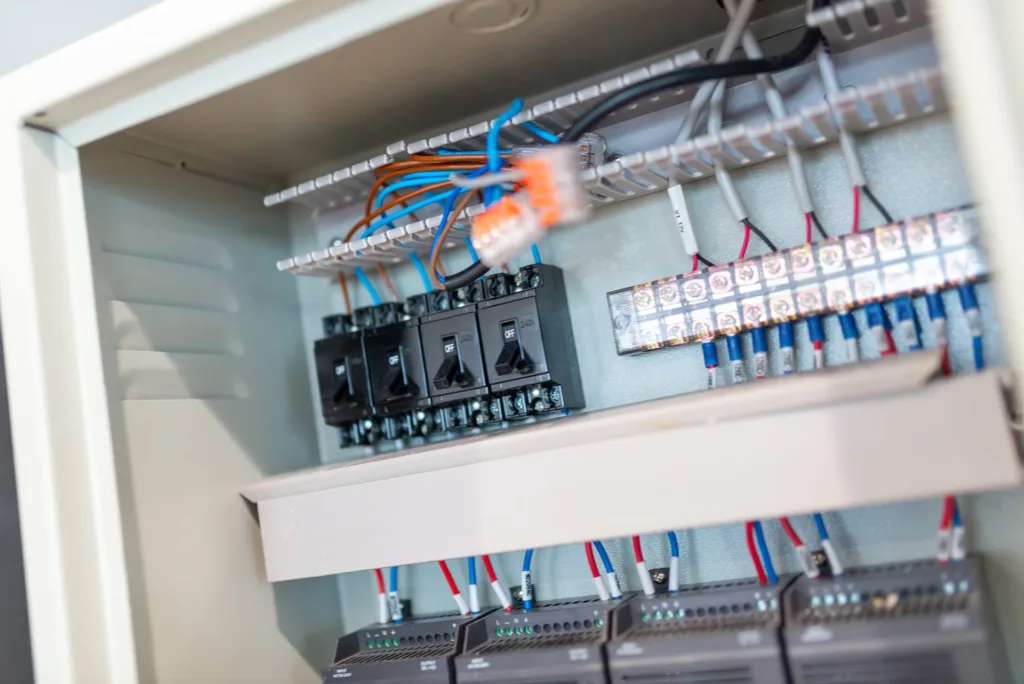
Consumer units are among the most overlooked components in any UK home, quietly protecting people and property behind a cupboard door or hallway wall. Yet as our use of electricity continues to grow, and safety standards continue to evolve, these vital boards can’t be ignored indefinitely.
Many properties still rely on equipment that predates current regulations. Others show early signs of wear that go unnoticed until faults emerge. From fuse boxes still in use decades past their prime to newer units struggling with modern load demands, understanding when a consumer unit needs replacing is a crucial part of home safety. In this post, we’ll walk through lifespan expectations, warning signs, inspection intervals and what to expect when it’s time for an upgrade.
Understanding Consumer Units and Their Role
A consumer unit — often called a fuse board — distributes electricity throughout a property and protects circuits from overloads or faults. Most include miniature circuit breakers (MCBs), RCDs, or RCBOs to detect dangerous electrical conditions and cut power instantly.
If it’s installed correctly and maintained properly, a consumer unit will serve you for decades. But it’s not designed to last forever, and it won’t automatically keep up with changes in technology or regulations. That’s why regular checks and timely upgrades are essential.
For a full guide to how today’s consumer units must meet safety standards, see our post on the latest regs for consumer units.
Average Lifespan of a Consumer Unit
Modern consumer units typically last between 25 and 40 years. However, lifespan varies depending on several factors:
- The quality of the original installation
- Whether the system has been overloaded or modified incorrectly
- Local environmental conditions, such as damp, dust, or pests
- The presence (or absence) of regular professional inspections
Even when there’s no visible damage, the internal components can degrade or become outdated over time. Plastic casings, for example, may become brittle, and older RCDs might no longer trip fast enough to provide proper protection.
Key Signs It’s Time to Replace
Tripping Breakers and Overheating
If your unit frequently trips or you notice warm or buzzing breakers, this could indicate internal faults or overloaded circuits. These issues can quickly escalate into electrical fires.
Lack of RCD Protection
Many older units have no RCD protection at all. Without this vital layer of safety, any fault to earth — such as a live wire touching metal — can go undetected and cause severe harm.
Outdated Fuse Boards
If your property still uses a fuse board with rewireable fuses, it likely dates back to the 1970s or earlier. These systems are not compatible with today’s electrical loads or safety expectations.
Insufficient Capacity
Consumer units should be sized for the home they serve. If you’ve added kitchen appliances, outdoor sockets or electric showers, your board may no longer provide safe, balanced distribution.
Non-compliance With Current Regs
The 18th Edition Wiring Regulations (BS 7671) specify RCD coverage, surge protection, and fire-resistant enclosures. If your board falls short, an upgrade may be required — especially in rental or commercial settings.
Frequency of Inspections and Testing
Regular inspections help identify issues before they become serious. Recommended intervals are:
- Every 10 years for owner-occupied homes
- Every 5 years for rented properties
- At change of occupancy, including sales and tenancies
- After major works or if you suspect faults
An Electrical Installation Condition Report (EICR) will highlight whether your consumer unit meets current safety requirements and whether replacement is advisable. A C2 or C1 code in the report generally triggers a legal requirement to act.
Common Replacement Triggers
Beyond end-of-life performance, many consumer units are replaced due to:
- Property renovations or kitchen upgrades
- Installation of EV chargers or solar panel systems
- Insurance requirements for policy compliance
- Water damage from leaks or condensation
- Rodent damage affecting wiring or insulation
Sometimes, upgrades are also driven by convenience — for example, replacing an old unit that’s hard to access or poorly labelled.
Choosing the Right Time to Upgrade
Although not all units require immediate replacement, delaying necessary upgrades can carry serious risks. It’s especially important to act if:
- Your existing system poses a safety hazard
- You plan to install new high-load appliances
- Your fuse board prevents full RCD or RCBO protection
- You need to meet regulations for selling or renting a property
If you’re unsure where you stand, our team can provide a site assessment and practical advice.
To learn more about our services, visit our consumer units and fuse boards page.
What to Expect During a Replacement
A typical consumer unit replacement takes one full working day. The process involves:
- Isolating the supply and testing all existing circuits
- Removing the old board and installing the new unit
- Labelling each circuit accurately
- Testing for safe disconnection times and RCD response
- Issuing a full Electrical Installation Certificate (EIC)
- Notifying the work under Part P of the Building Regulations
We also provide recommendations for any faults found during testing, including faulty sockets, earth bonding issues, or incorrectly sized cables.
Costs and Considerations
The cost of replacing a consumer unit varies depending on:
- The number of circuits in the property
- The type of board used (dual RCD, high-integrity, RCBO)
- The complexity of access and routing
- Any remedial work required after testing
You can expect a range of around £450 to £850, but for precise pricing, it’s always best to get a professional quote. At Wave Electrical Solutions, we offer fixed pricing, fast turnaround, and no pushy upselling — just the right board for your home, safely fitted.
FAQs
How long should a consumer unit last?
Typically between 25 and 40 years, but it depends on installation quality, electrical demand, and whether it still meets regulations.
Can I upgrade my consumer unit myself?
No. This is notifiable work and must be completed by a qualified electrician under Part P of the Building Regulations.
Is a consumer unit upgrade disruptive?
There will be a few hours of power outage, but a competent electrician will ensure minimal disruption and restore supply safely by the end of the day.
Final Thoughts
A reliable consumer unit doesn’t need frequent replacement — but it does need attention. Whether you’re planning renovations, responding to a failed inspection, or simply trying to bring an old board up to standard, the right time to act is before problems arise.
Our team has helped hundreds of homeowners across Cornwall upgrade safely and affordably. If your current unit is no longer up to the task, or if you’re not sure what’s inside your fuse cupboard, we’re here to help. Visit our contact page to book a callout or request a quote.