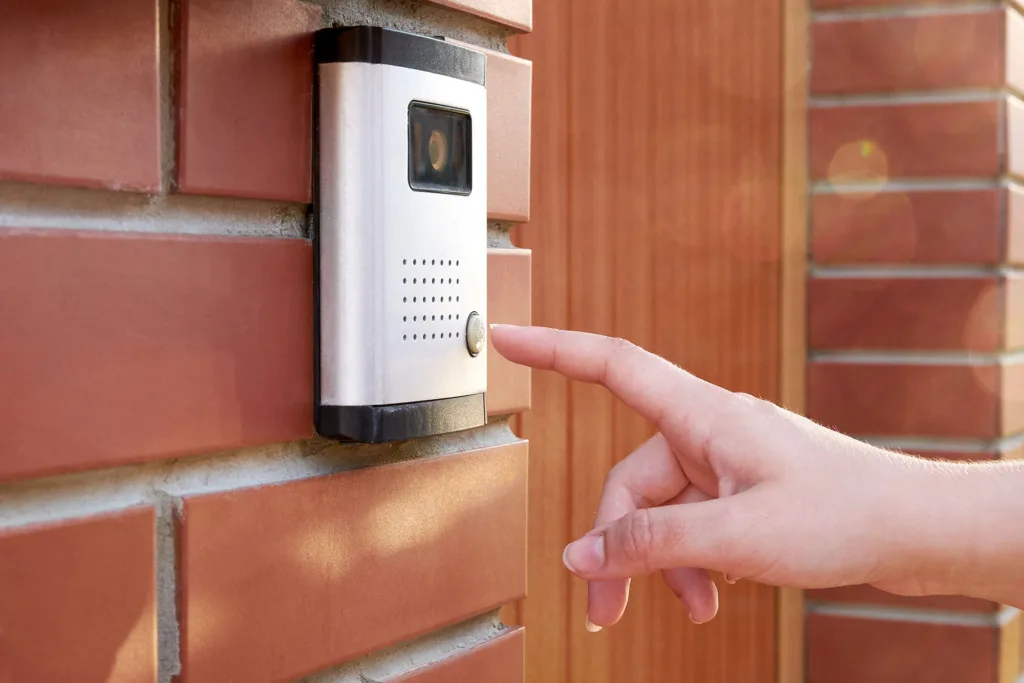
Security cameras have long been a fixture in homes and businesses, but now, smart doorbells with built-in cameras are changing how people monitor their properties. Devices like the Ring doorbell offer real-time notifications, video footage, and two-way communication, making them a popular choice for homeowners. However, as more of these devices are installed across the UK, a crucial question arises—are Ring doorbells legally considered CCTV?
This distinction is more than just technical; it has significant legal implications. If your Ring doorbell captures footage beyond your property, such as a public footpath or a neighbour’s home, it may be subject to UK data protection laws. This means homeowners could have legal obligations, from informing others of the recording to securely storing footage.
In this article, we’ll break down whether a Ring doorbell is classed as CCTV, what UK law says about it, and what homeowners need to do to stay compliant. We’ll also explore real-world examples, legal requirements, and best practices to ensure you’re using your device responsibly.
How Ring Doorbells Compare to CCTV
Traditional CCTV Systems
CCTV (Closed-Circuit Television) systems have been used for decades to monitor and record areas for security purposes. These systems typically involve multiple cameras linked to a central recording device, allowing continuous surveillance of homes, businesses, and public spaces. CCTV is widely used in the UK to deter crime, monitor high-risk areas, and provide evidence when needed.
Ring Doorbells: More Than Just a Doorbell
A Ring doorbell is a smart device that combines a traditional doorbell with a motion-activated camera. It allows homeowners to see, hear, and communicate with visitors via a mobile app. Unlike a typical CCTV system, Ring doorbells are designed for personal use and only activate when they detect motion or someone presses the doorbell.
Key Differences and Overlaps
While a Ring doorbell is not a CCTV system in the traditional sense, it shares some characteristics. The main difference lies in how and where footage is captured. CCTV is designed for continuous monitoring, whereas a Ring doorbell only records specific events. However, if the doorbell captures areas beyond the homeowner’s property, it could legally be considered a form of CCTV, triggering data protection laws.
Legal Classification: Is a Ring Doorbell Considered CCTV?
How UK Law Defines CCTV
According to the Information Commissioner’s Office (ICO), a device that records video outside the boundaries of private property may be classed as CCTV, making it subject to UK data protection laws. This means that even though Ring doorbells are marketed for home use, they can legally be considered CCTV if they capture footage beyond your immediate property.
Real-World Example
To see how this applies in practice, take a look at this Ring CCTV doorbell installation case study from Wave Electrical Solutions: Ring CCTV Doorbell Installation.
Implications for Homeowners
If your Ring doorbell records beyond your property, you are legally responsible for how that data is handled. You must comply with data protection laws, including informing people they are being recorded and ensuring the footage is stored securely.
The Information Commissioner’s Office (ICO) provides guidelines for homeowners using CCTV or similar recording devices.
Privacy Regulations Governing Ring Doorbells
The Data Protection Act 2018 & UK GDPR
If your Ring doorbell records areas outside your home, it falls under the UK’s Data Protection Act 2018 and UK General Data Protection Regulation (UK GDPR). These laws regulate how personal data—including video recordings—can be collected, stored, and shared.
ICO Guidelines on Compliance
The ICO advises that homeowners using devices that function as CCTV must:
- Inform people that they are being recorded.
- Ensure footage is stored securely.
- Only keep recordings for as long as necessary.
- Provide individuals with access to their recorded images upon request.
If you’re unsure about compliance, professional installation and consultation can help. Find out more about domestic CCTV services offered by Wave Electrical Solutions.
Legal Requirements for Ring Doorbell Users
If your Ring doorbell records public areas or neighbouring properties, you must meet specific legal obligations.
Positioning the Camera Responsibly
Ensure the camera is angled to focus only on your property. Avoid capturing footage of public spaces or neighbours’ homes.
Notifying Others About Recording
You must inform people if your doorbell records public areas. The easiest way to do this is by placing a small sign near your doorbell stating that recording is taking place.
Storing Footage Securely
Under data protection laws, any video footage must be securely stored. If your recordings are saved to the cloud, ensure they are protected with strong passwords and two-factor authentication.
Handling Data Access Requests
If someone asks to see footage in which they appear, you must comply. This applies to both neighbours and passers-by. If you need help managing data requests, you can get in touch via our contact page.
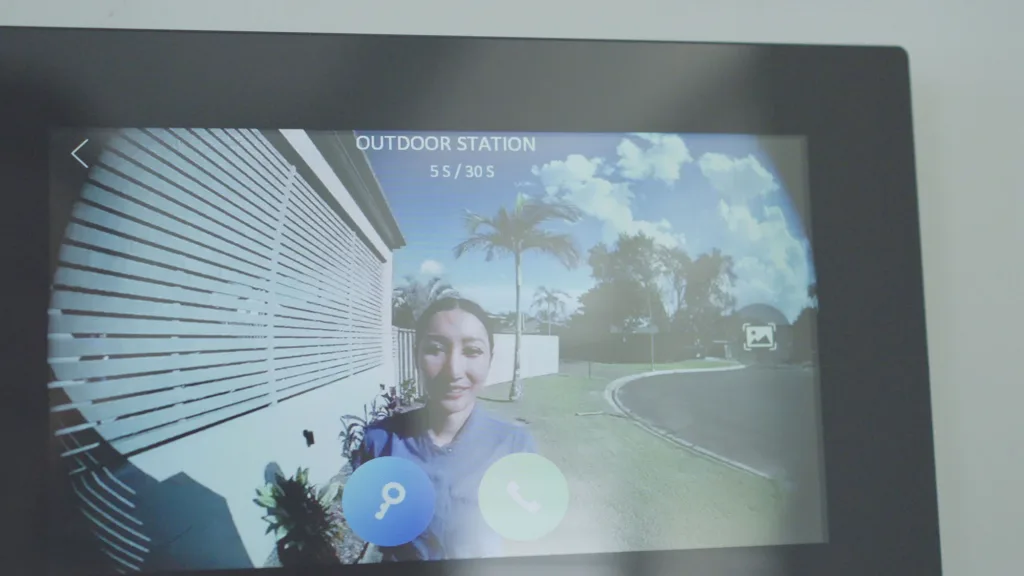
Legal Consequences of Non-Compliance
Recent Cases & Legal Actions
There have been cases where homeowners have faced legal action for improper use of Ring doorbells. A 2021 UK court ruling found that a homeowner had breached data protection laws because their Ring doorbell captured excessive footage of public areas.
Penalties for Non-Compliance
Failing to comply with data protection laws can result in fines or legal action from affected individuals. It’s crucial to follow best practices to avoid potential disputes.
Best Practices for Responsible Use
Limit the Camera’s View
Adjust the settings to restrict recording to your own property. Many smart doorbells allow you to define specific motion zones.
Inform Neighbours & Visitors
If your camera captures public areas, inform neighbours and visitors through clear signage.
Regularly Review Your Setup
Laws and technology change, so periodically review your device’s settings and privacy features to ensure compliance.
FAQs
Do I need to register my Ring doorbell with any authority?
No, unless your recordings extend beyond your property. If your device is classified as CCTV, you may need to comply with ICO regulations.
Can I share Ring doorbell footage on social media?
You should be cautious when sharing footage online. If the footage contains identifiable individuals, sharing it without consent could violate data protection laws.
What if my neighbour objects to my Ring doorbell?
If a neighbour raises privacy concerns, try adjusting your camera angle to avoid recording their property. Open communication can help resolve potential disputes.
Conclusion
Ring doorbells provide excellent security features, but their classification as CCTV depends on where they record. If your doorbell captures areas beyond your home, you must comply with UK data protection laws to avoid legal issues.
For expert installation and compliance advice, visit Wave Electrical Solutions.