Fire safety isn’t something that can be ignored, especially in workplaces and rented properties. A single fire can destroy businesses, displace families, and, in the worst cases, lead to serious injuries or fatalities. That’s why fire risk assessments are a legal requirement under UK law.
If you own or manage a business, a rental property with shared areas, or a public building, you are legally responsible for carrying out and regularly reviewing a fire risk assessment. Under the Regulatory Reform (Fire Safety) Order 2005 (RRO), failure to do so could result in fines, legal action, or even imprisonment.
Understanding these requirements is essential for staying compliant and protecting lives. So, what exactly does the law say, and how can you ensure your property meets fire safety standards?
Fire Risk Assessments Explained
What is a Fire Risk Assessment?
A fire risk assessment is a structured evaluation of a building’s fire hazards, existing safety measures, and escape routes. The purpose is to identify risks, implement precautions, and ensure fire safety protocols are in place. This includes assessing flammable materials, electrical installations, fire exits, and emergency procedures.
For businesses, rental properties with shared spaces, and public buildings, this assessment isn’t optional—it’s a legal duty. The responsible person must not only conduct an assessment but also keep it up to date whenever significant changes occur, such as renovations or new equipment installations.
Why Are Fire Risk Assessments Important?
Beyond legal compliance, fire risk assessments reduce the likelihood of a fire occurring. They help identify potential hazards before they become dangerous, ensuring businesses and properties are equipped with working fire alarms, clear escape routes, and effective fire safety measures.
Neglecting fire safety can have devastating consequences. Apart from the obvious dangers to human life, a fire can lead to financial ruin, legal liabilities, and irreversible reputational damage. Insurance providers also take fire risk assessments into account—without one, a claim could be denied in the event of a fire.
Legal Requirements for Fire Risk Assessments
The Regulatory Reform (Fire Safety) Order 2005
The Regulatory Reform (Fire Safety) Order 2005 is the primary law governing fire safety in England and Wales. It applies to all non-domestic premises, including offices, shops, factories, warehouses, rental properties with shared spaces, hotels, and public buildings like schools and hospitals.
Under this law, the responsible person—which could be the employer, landlord, or property manager—must:
- Conduct a fire risk assessment and keep it updated.
- Identify and eliminate potential fire hazards.
- Ensure fire alarms, extinguishers, and emergency lighting are in place.
- Train staff or tenants on fire safety procedures.
- Regularly review the assessment to account for changes in the property or workforce.
For more details, refer to the official UK Government fire safety guidance.
Who is Legally Responsible?
The responsible person is typically the owner, employer, landlord, or building manager. If multiple parties share responsibility (such as in office buildings or shared housing), they must work together to ensure compliance.
Employers with five or more employees must keep a written record of their fire risk assessment. However, even smaller businesses and landlords should document their assessments to demonstrate compliance if inspected.
Penalties for Non-Compliance
Failing to comply with fire safety regulations can lead to severe consequences. Minor breaches can result in fines of up to £5,000, while serious violations can carry unlimited fines and even prison sentences.
For instance, in 2021, a London landlord was fined £50,000 after failing to implement basic fire safety measures. Cases like these highlight why staying compliant is crucial for both legal and safety reasons.
Related Read: Electrical Fire Prevention Tips for Cornwall Residents to learn how to reduce the risk of electrical fires in your property.
How to Conduct a Fire Risk Assessment
The Five Key Steps
- Identify Fire Hazards
This includes electrical faults, overloaded circuits, flammable materials, and heat sources placed near combustibles. - Determine Who is at Risk
Employees, customers, tenants, or visitors may be vulnerable, especially if they are elderly, disabled, or unfamiliar with the building. - Evaluate Risks and Take Action
Fire alarms, emergency exits, extinguishers, and fire doors should all be in place. Any potential hazards must be reduced or removed. - Record Your Findings and Implement Safety Measures
Businesses with five or more employees must keep a written fire risk assessment. Even for smaller businesses, maintaining records is strongly recommended. - Review and Update Regularly
Fire risks change over time, so assessments should be reviewed annually or whenever major changes occur in the building.
Need assistance? Book a Professional Electrical Testing and Inspection to ensure your fire safety measures are up to standard.
Compliance and Best Practices
Fire Prevention Measures
Fire prevention is just as crucial as having an assessment in place. Some essential steps include:
- Installing and testing smoke alarms regularly.
- Having electrical systems inspected by a professional to prevent faults.
- Keeping fire exits clear and well-lit.
- Training staff or tenants on fire safety and evacuation procedures.
Keeping Documentation and Records
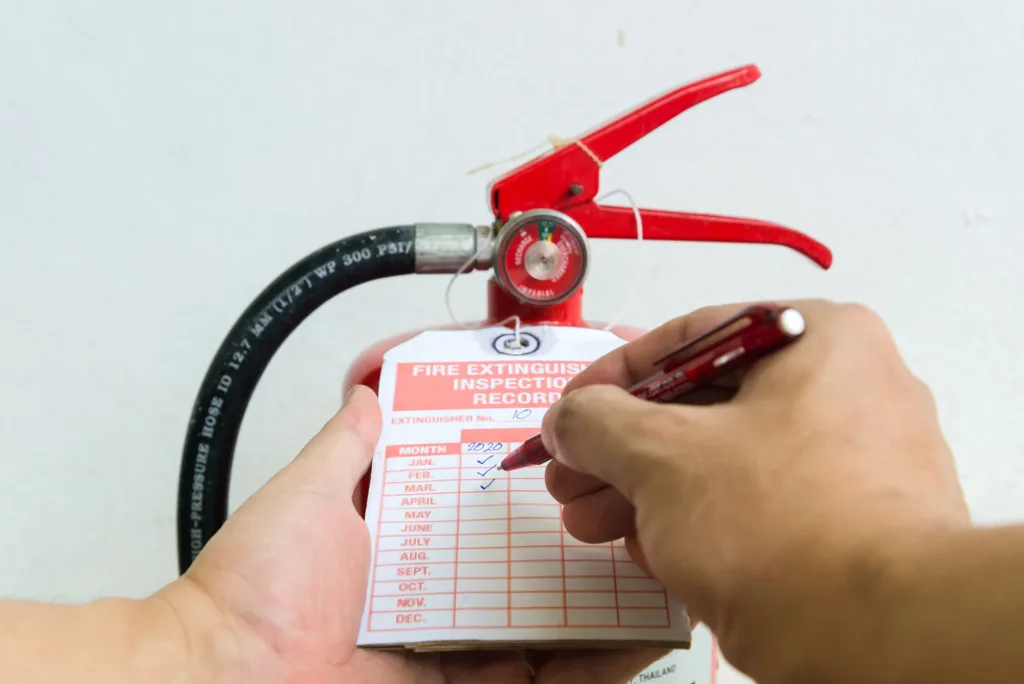
Maintaining proper documentation is essential for proving compliance. This includes written assessments, records of fire drills, and maintenance logs for alarms and fire extinguishers.
📞 Need expert advice? Contact Wave Electrical Solutions for professional fire safety guidance.
FAQs
Q1. Do homeowners need a fire risk assessment?
If you own a single private home, you don’t need a fire risk assessment. However, if you rent out a property with shared areas (such as an HMO), you are legally required to carry one out.
Q2. Can I do a fire risk assessment myself?
Yes, but it must be thorough. If you lack fire safety expertise, hiring a qualified fire risk assessor ensures full compliance with the law.
Q3. What happens if I don’t comply with fire safety laws?
Non-compliance can result in fines, legal action, or even business closure. In serious cases, failure to address fire hazards has led to landlords and business owners receiving prison sentences.
Conclusion
Fire risk assessments are a legal necessity for businesses, landlords, and property managers. They protect lives, prevent fires, and keep you compliant with UK fire safety laws. Regular assessments, combined with professional inspections, can significantly reduce fire risks.
If you need assistance, Wave Electrical Solutions is here to help. Our expert electricians can ensure your property meets all fire safety requirements.