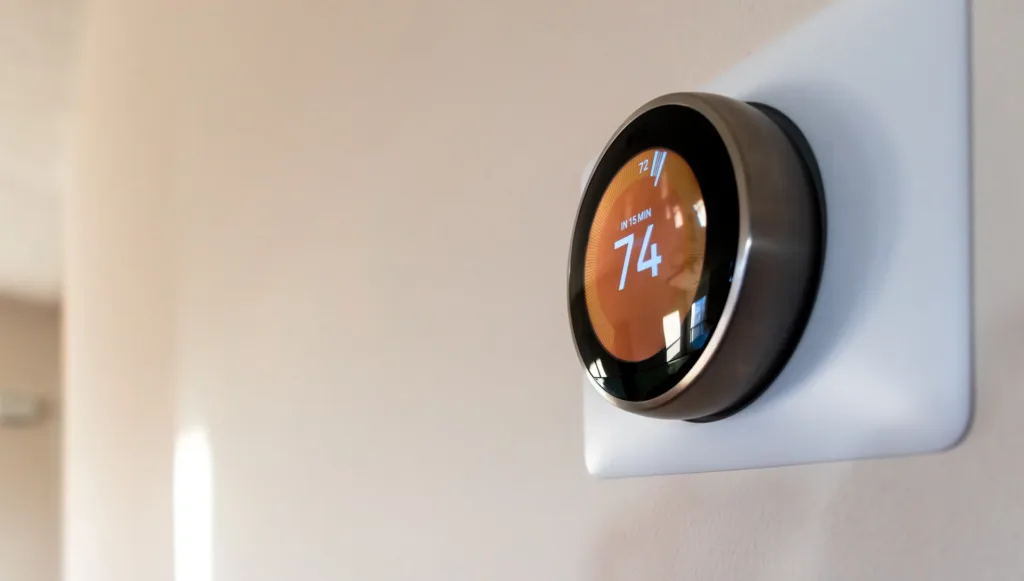
Smart thermostats have become a go-to upgrade for homeowners across the UK. Promising convenience, energy savings, and remote access via smartphone apps, they offer a level of control that traditional thermostats simply can’t match. But while the marketing makes them sound like a no-brainer, the truth is a bit more complicated.
At Wave Electrical Solutions, we’ve seen smart thermostats transform heating systems for the better—but we’ve also seen them create headaches. From unexpected installation issues to connectivity problems and disappointing energy savings, these devices aren’t a perfect fit for every home.
If you’re considering switching to a smart thermostat, it’s worth understanding the full picture—not just the benefits, but also the potential drawbacks. In this guide, we take a closer look at the limitations of smart thermostats and explore where they may fall short.
The Rise of Smart Heating Controls
The demand for smart home tech has surged, and heating systems have been no exception. Smart thermostats have become especially popular as energy prices rise and homeowners look for ways to gain better control over their usage.
Smart thermostats offer features like:
- Remote access from your phone or tablet
- Learning algorithms that adapt to your habits
- Real-time energy usage monitoring
- Integration with voice assistants or broader smart home setups
At Wave Electrical Solutions, we often install smart heating control systems for clients looking to make their homes more efficient. But like any tech, they’re not without quirks—and those quirks can impact how well they work in everyday life.
Connectivity and Wi-Fi Dependence
One of the main drawbacks of smart thermostats is their reliance on a stable internet connection. Without it, features like remote access, mobile control, and smart scheduling may stop working entirely. In many households, particularly rural areas or properties with thick walls and spotty signal strength, this can be a real limitation.
Some models do offer limited offline functionality, but most smart features are hosted on cloud servers. If your Wi-Fi drops or the manufacturer experiences a server issue, your thermostat could lose access to important settings—or even reset. Updates are another concern; firmware glitches have been known to disrupt thermostat functions after a scheduled update rolls out unexpectedly.
For homeowners who want a simple, reliable system that “just works,” these dependencies can be frustrating. While they won’t affect basic heating functions in most cases, they can undermine the benefits that make smart thermostats appealing in the first place.
Compatibility with Older Heating Systems
Not all heating systems are created equal, and neither are thermostats. A common issue we see is clients purchasing a smart thermostat only to discover that it’s incompatible with their existing boiler or control wiring.
Older boilers often lack the wiring terminals or communication protocols needed for smart devices. Some systems use proprietary controls that block third-party thermostats unless a compatible adapter is used. In these cases, retrofitting a smart thermostat can involve more than just wiring—it might require system upgrades, additional relays, or specialist intervention.
We regularly advise homeowners to have their system assessed before committing to a smart upgrade. It saves time, avoids wasted costs, and ensures everything works as it should from day one.
Learning Curve and User Frustration
Despite their clever design, smart thermostats can confuse the very people they aim to help. Many users struggle to understand schedules, temperature zones, or app interfaces—especially when the system “learns” patterns that don’t reflect a household’s real needs.
For example, families with irregular routines or shared occupancy often find that automated scheduling fails to deliver comfort when it’s needed. A thermostat that decides to drop the heating before you’ve even left for work can be more irritating than helpful.
The abundance of features can also overwhelm users. Some thermostats come with detailed energy reports, complex menu options, and setting combinations that are simply too much for someone who just wants to “turn the heating up a bit.”
This is where a basic programmable thermostat, or a simpler smart model without learning algorithms, may actually be a better fit.

Real-World Energy Savings: Not Always Guaranteed
It’s easy to assume that smart thermostats automatically lower your energy bills—but the reality depends on how they’re used. While these devices can help reduce waste through better scheduling and remote control, they don’t inherently save energy on their own.
In fact, we’ve had customers ask, “Do smart thermostats use more electricity?” The answer depends on your setup, habits, and heating system. We’ve broken this down in more detail in our smart thermostat energy usage guide.
Poorly programmed thermostats can end up running systems more often than necessary. Some learning thermostats may try to “pre-heat” your home before you wake up or return from work, which sounds great in theory—but if your schedule is unpredictable or changes often, it can result in more runtime and higher bills.
Another issue is behavioural: many users get comfortable with the convenience and end up heating more zones, for longer, than they did with manual controls. Smart doesn’t always mean more efficient—it’s only as effective as the way it’s used.
Data Privacy and Cloud Reliance
Modern thermostats gather a surprising amount of data. Usage patterns, occupancy trends, location tracking, and even your heating preferences are often stored and processed by third-party cloud services. While this enables some of the smarter features, it raises questions about privacy and control.
In the UK, smart home devices fall under the umbrella of the UK GDPR. That means manufacturers must be transparent about what they collect and how they use it. However, that doesn’t always prevent potential misuse or security concerns—especially if the company’s servers are compromised.
Another issue is loss of service. If the company behind your thermostat ceases trading or shuts down support for a particular model, the smart features you paid for could vanish. We’ve seen this happen with other smart home products, and it remains a risk.
For privacy-conscious users or those wary of cloud dependency, this can be a major downside. It’s important to check a manufacturer’s track record and data policies before you buy.
Cost vs. Return on Investment
Smart thermostats aren’t the cheapest upgrade you can make to your home. While some basic models are available from around £100, many of the more advanced units cost upwards of £200, not including professional installation. Then there’s the cost of any system upgrades needed to ensure compatibility—potentially pushing the total closer to £400 or £500.
For households with consistent routines and a well-maintained heating system, a smart thermostat can repay that investment over time. But in other cases, the return may be minimal. If your home is already efficient, or you’re not using the advanced features, the savings may not justify the expense.
In comparison, programmable thermostats—which don’t connect to Wi-Fi or apps—can deliver similar savings with less fuss, especially for users who are happy with simple timed settings.
The bottom line? You need to consider your household’s habits, your heating system, and your expectations. A smart thermostat may look like an energy-saver on paper, but in practice, it doesn’t always offer better value than traditional options.
When Smart Thermostats Do Work Well
Despite the drawbacks, smart thermostats do have their place—and when installed in the right setting, they can be incredibly effective.
They work best when:
- Your schedule is predictable (e.g., working from home or fixed shifts)
- Your heating system supports zoning and responsive control
- You’re comfortable with apps, automation, and periodic system updates
- You want to monitor your energy usage closely
In these cases, smart controls can enhance comfort, reduce waste, and offer long-term insights into how your home uses energy.
At Wave Electrical Solutions, we help clients decide if a smart thermostat suits their home—and if so, which model offers the best fit. We also handle the installation, setup, and user training to make sure you get the most from your system.
FAQs
Are smart thermostats worth it in small homes?
They can be, especially if you want remote access or better scheduling. However, in smaller homes with simple heating systems, a programmable thermostat might deliver similar results with lower upfront cost.
Can I install one myself legally in the UK?
Some models are DIY-friendly, but any thermostat that connects to the mains may fall under Part P of the Building Regulations. It’s best to have a qualified electrician handle the installation to ensure compliance.
Do smart thermostats work during power cuts?
They stop working while the power is out and may lose schedules or connectivity until rebooted. Most will revert to basic manual control once power is restored, but some features may take time to reconnect.
Concluding Thoughts
Smart thermostats can be a valuable upgrade—but they’re not perfect for everyone. If your home has an older heating system, weak Wi-Fi, or an irregular routine, the limitations might outweigh the benefits. From compatibility issues to unexpected running costs, it’s important to weigh the pros and cons before buying.
At Wave Electrical Solutions, we take the guesswork out of smart heating upgrades. We’ll help you choose the right thermostat, handle the installation, and show you how to get the most from your system.
If you’re considering a smart upgrade, speak to our team today—we’ll give you honest advice based on what works, not what’s trending.