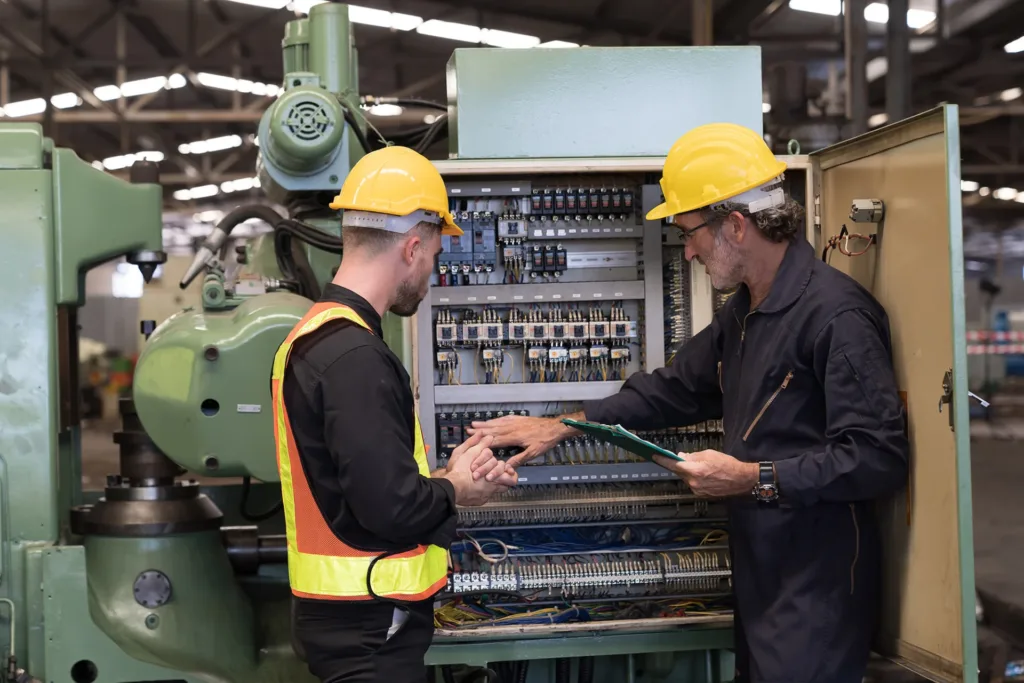
When electrical work interrupts the day-to-day running of a business, the fallout can be more than just a few hours without power. It can stall operations, impact safety, and dent customer confidence. That’s why managing electrical projects in commercial environments requires more than technical know-how — it demands precise planning, tight coordination, and a sharp focus on compliance.
Commercial buildings often house critical infrastructure that supports everything from retail tills to warehouse machinery. Unlike domestic settings, electrical installations here must withstand heavier loads, longer hours, and stricter regulations. For business owners, facility managers or tenants, this means balancing essential upgrades and repairs without derailing business continuity.
Done right, an electrical project can future-proof a space for growth, ensure it meets modern energy demands, and reduce operational risks. Done wrong, it becomes a logistical headache. The difference often lies in how well the work is scoped, scheduled, and supervised — long before a single wire is touched.
Understanding Commercial Electrical Projects
What Defines a Commercial Electrical Installation
A commercial electrical installation isn’t just larger than a domestic one — it’s more complex and must meet higher safety and performance demands. From shops and offices to schools and industrial units, these projects require robust systems tailored to specific operational needs.
Systems typically include not just lighting and power but also security alarms, emergency lighting, and dedicated circuits for high-load equipment. Most importantly, they must meet UK standards and remain compliant with the legal responsibilities set out in the BS 7671 Wiring Regulations.
Typical Systems Involved
In commercial premises, installations often cover:
- General and emergency lighting
- Three-phase power distribution
- Fire detection and alarm systems
- CCTV and access control
- HVAC controls
- IT cabling and server power
Each of these systems must be designed to function safely under continuous use, with room for future upgrades.
Power Demand and Usage in Business Environments
Businesses place heavier and more varied loads on their electrical systems. For example, a warehouse with conveyors and industrial lighting needs vastly more energy than a small office. Load calculations must consider peak usage, backup supply, and balanced distribution across circuits to prevent faults or overload.
Pre-Planning: Laying the Groundwork for Success
Site Assessment and Power Load Calculations
Before any electrical works begin, a full survey of the premises is crucial. This ensures that the existing infrastructure can handle the new load or whether upgrades are necessary. Load balancing, power factor correction, and supply capacity are just a few of the considerations during this stage.
Importance of Clear Project Scope and Timeframes
Setting a clear brief avoids miscommunication and ensures every stakeholder — from the electrician to the business manager — knows what to expect. This includes defining the type of work, timeline, and which business areas may be affected.
Timely planning also avoids last-minute disruptions, especially in environments where other trades are working or daily operations cannot stop.
Liaising with Building Control for Approvals
For most projects, compliance with Approved Document P is essential, particularly if the work involves accommodation areas within commercial properties. Early engagement with Building Control helps ensure that the project is registered, inspected, and signed off correctly.

Minimising Business Disruption During Electrical Works
Working in Operational Environments
Many commercial projects take place in live settings. Careful zoning of works helps minimise interruption, allowing one area to remain active while another is worked on. Barriers, signage, and clear communication with staff help maintain safety and productivity.
Out-of-Hours Installations
In sensitive environments like retail or hospitality, scheduling works after hours is often the most practical route. This avoids interfering with customer experiences and allows faster progress without the limitations of working around people.
Phased Installation and Temporary Power Solutions
Larger projects benefit from phased installation, where systems are upgraded in segments. Temporary power boards or lighting rigs keep key systems operational while works progress — ideal for environments like data centres or production facilities.
Regulatory Compliance and Safety Standards
Key Regulations and Standards
All commercial works must meet the BS 7671 standard. Installations must be designed, installed, and inspected in line with these rules, covering everything from cable sizing to fault protection.
Projects affecting dwellings above or within commercial units must also comply with Approved Document P, ensuring safe design and certification.
Certification and Reports
Upon completion, businesses must receive an Electrical Installation Certificate (EIC) and, in some cases, an Electrical Installation Condition Report (EICR). These documents prove compliance and are often required for insurance, letting agreements or future audits.
Staff and Public Safety
Risk assessments should identify hazards and mitigation strategies — from isolating circuits to ensuring emergency lighting remains active. Proper signage, barriers, and coordination with the health and safety officer are all part of the process.
Choosing the Right Electrical Contractor
Qualifications and Experience
Always select contractors familiar with commercial regulations and systems. Look for those with certifications from recognised industry bodies and experience managing projects in live environments.
Accreditation and Insurance
Check for public liability insurance and accreditation from schemes such as NICEIC or equivalent. Contractors should also be able to provide risk assessments, method statements, and past project examples.
Communication and Aftercare
A professional contractor doesn’t disappear after the job’s done. They should offer detailed documentation, maintenance plans, and be available for follow-ups. You can find further insight on this topic in our guide to choosing the right electrician.
Post-Installation: Documentation, Testing and Ongoing Maintenance
Handover and As-Fitted Documents
You should receive full handover packs including test results, cable charts, and as-fitted drawings. These form part of your building’s safety record and simplify future work.
Ongoing Inspections and Maintenance
Commercial electrical systems should be tested regularly — typically every five years, or more often for high-risk settings. A maintenance contract with your electrician ensures that faults are addressed early and downtime is reduced.
Planning for Future Expansion
Allow room for extra capacity in consumer units and consider the long-term use of the building. This makes future upgrades easier and more cost-effective. You can learn more about what’s involved by reviewing our commercial electrical services.
FAQs
How long does a commercial electrical installation usually take?
It depends on the size and complexity of the job. A shop refit might be completed in a few days, while office or industrial installations can take several weeks. Early planning is key to accurate scheduling.
Do I need to close my business during the works?
Not always. Many installations can be done in phases or after hours. Speak to your contractor about flexible working to maintain operations while keeping safety a priority.
What certification do I need after the work?
You’ll need an Electrical Installation Certificate (EIC) or possibly an Electrical Installation Condition Report (EICR), depending on the scope of the work. These documents confirm that the installation meets legal standards.
Conclusion
Managing electrical work in commercial settings is about more than connecting wires. It’s about delivering power safely and efficiently — without shutting down your business. With the right contractor, proper planning, and an eye on compliance, you can make sure your business keeps running while essential systems get the upgrade they need.
If you’re preparing for an upgrade, expansion or refurbishment, Wave Electrical Solutions offers expert services tailored for commercial properties — ensuring every project runs smoothly and safely from start to finish.