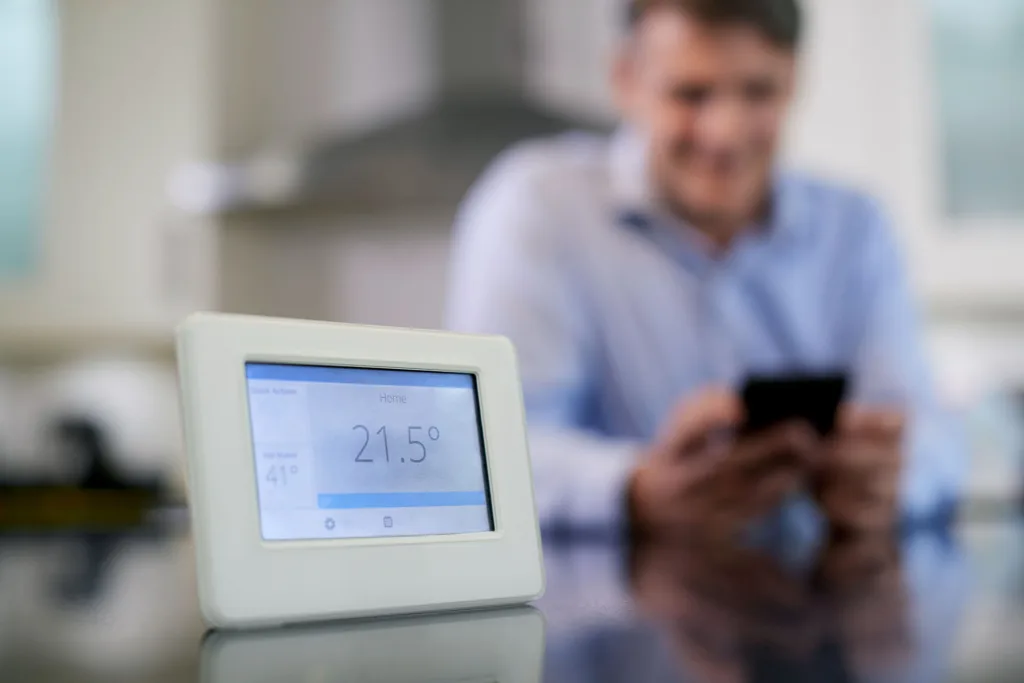
Smart heating is quickly becoming a must-have in modern UK homes. As energy costs climb and sustainability becomes more than a buzzword, homeowners are seeking systems that offer more than basic temperature control. Intelligent heating solutions do exactly that—offering flexibility, precision, and real-time responsiveness that traditional systems simply can’t match.
It’s no longer about just having the heating on or off. With smart controls, you can fine-tune how each room is heated depending on the time of day, who’s home, and what you’re doing. Want the bedroom warm by 9pm and the lounge cooler while you sleep? No problem. These systems let you create schedules, automate routines, and adapt to your lifestyle—all from your phone or by voice command.
What sets smart heating apart is how it turns heating from a background utility into a user-focused experience. You get control over individual radiators, integration with other smart devices, and usage reports that help you stay efficient without sacrificing comfort. It’s heating, reimagined.
What Is Smart Heating and Why Does It Matter?
Defining Smart Heating Systems
Smart heating systems use internet-connected devices to allow remote control and automation of your home’s heating. The main components often include smart thermostats, thermostatic radiator valves (TRVs), sensors, and mobile apps. Together, they offer far more than basic temperature control—they enable intelligent responses to how, when, and where you use heating in your home.
Unlike traditional thermostats that maintain a fixed temperature throughout the house, smart systems learn your habits, adjust to occupancy, and give you full control via smartphone or voice command. You can set heating zones, automate routines, or make quick changes from wherever you are.
These systems are also designed to integrate seamlessly with other smart home features. From syncing with lighting to adjusting based on the weather forecast, smart heating is about proactive, intelligent temperature management—not just reactive adjustments.
Benefits for UK Homes
The appeal of smart heating goes beyond convenience. For UK homeowners dealing with unpredictable weather and high energy bills, the benefits are clear:
- Cost savings: By heating only the rooms you use, when you use them, you avoid wasting energy. According to the Energy Saving Trust, you can save around £75 a year just by installing and properly using a programmer and room thermostat.
- Increased comfort: Smart heating adapts to your lifestyle. Wake up to a warm bathroom, keep the kitchen cooler while you’re out, or have your lounge perfectly heated for the evening—all automatically.
- Remote access: Control your heating from anywhere using your phone. Whether you’re stuck at work or heading back early from a weekend away, your home’s heating stays in your hands.
- Environmental benefits: More efficient heating means lower carbon emissions. You’re not only saving money—you’re doing your bit for the planet.
Smart Heating Control Devices Explained
Smart Thermostats
These replace traditional thermostats and connect to your boiler. They offer:
- Learning behaviour
- Geofencing
- App-based control
- Weather responsiveness
Smart TRVs (Thermostatic Radiator Valves)
Smart TRVs give you control over individual radiators. Combined with thermostats, they allow you to create personalised heating zones.
Zone Controllers and Multi-Room Systems
These manage which parts of your home receive heat and when. You can assign different rooms or floors to different heating schedules for maximum efficiency.
The Power of Zoning: Why It’s the Game Plan for Modern Homes
What Is Heating Zoning?
Zoning splits your home into separate areas with independent control, typically based on room usage or layout.
Advantages of Zoned Heating
- Personalised comfort
- Reduced energy waste
- Flexible schedules
- Enhanced efficiency
Best Practices for Implementing Zoning
- Use room usage patterns to plan zones.
- Install sensors where they reflect actual room temperatures.
- Balance zone sizes—avoid making them too small or too large.
- Use appropriate wiring and zone valves for reliable performance.
How to Integrate Smart Heating with Other Smart Home Features
Voice Assistants and Automation
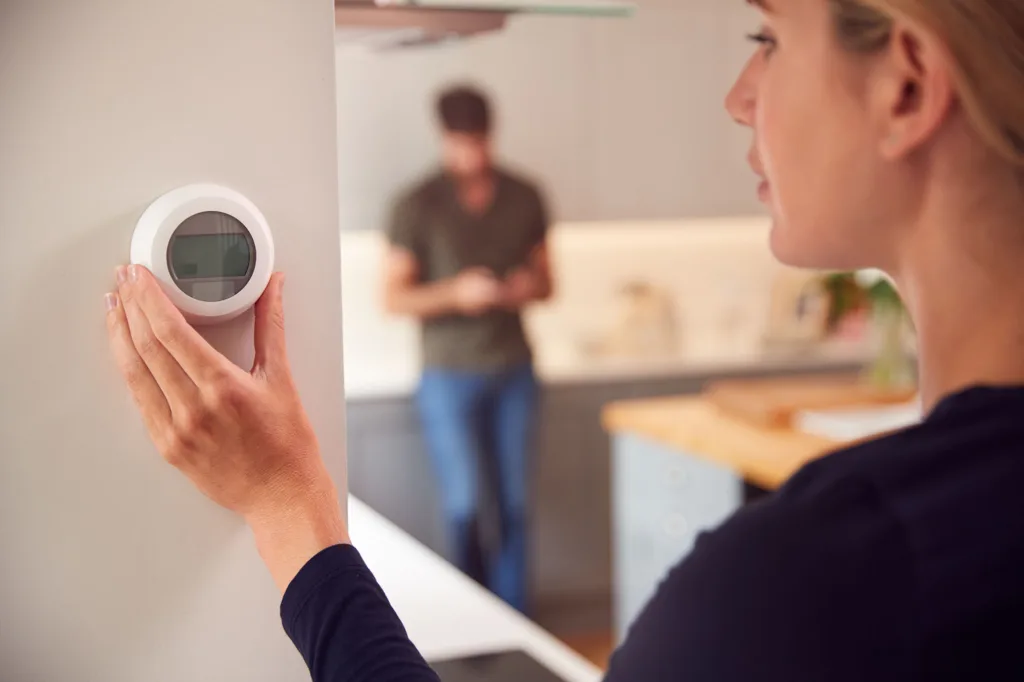
Smart heating integrates with systems like Alexa, Google Assistant, or HomeKit. You can set heating preferences by voice.
IFTTT and Scheduling Routines
Set automated routines like lowering heat when no one’s home or syncing with lighting schedules.
Energy Monitoring Integration
Track usage with your smart meter to fine-tune your energy consumption.
What You Need Before You Start
Boiler Compatibility and Installation Considerations
Ensure your boiler is compatible. Some older boilers may need additional wiring or a relay.
Smart heating control work often falls under Part P of the Building Regulations. Any fixed wiring alterations must meet these standards and are often notifiable if done in special areas like kitchens or bathrooms.
You can read the government guidelines here: Approved Document P
Wi-Fi Stability and App Setup
Stable Wi-Fi is essential. Place routers or extenders near heating hubs if needed.
Professional vs. DIY Installation
Smart heating setups may require electrical knowledge and boiler interfacing. For safe and compliant installation, it’s wise to hire a qualified electrician.
To ensure your system is installed to regulation standards and works flawlessly, speak to professionals like Wave Electrical Solutions.
Cost Expectations and Long-Term Savings
Upfront Costs vs. Energy Bill Savings
Initial installation costs vary by system complexity, number of zones, and boiler type. Over time, savings on bills can offset the initial outlay.
For more details, view our post: How Much Does It Cost to Install a Smart Thermostat?
Energy Efficiency Grants or Schemes
You may be eligible for grants or incentives for energy-saving home improvements. Check with your local authority or energy provider.
Common Smart Heating Mistakes and How to Avoid Them
Over-zoning or Under-automating
Keep your zones practical and your routines manageable.
Ignoring Radiator Health
Radiators must be bled and balanced for smart TRVs to work properly.
Poor Wi-Fi Distribution
Avoid connectivity dropouts by testing your Wi-Fi strength where devices will be installed.
FAQs
- Can I use smart heating in a rented property?
Yes, especially models that don’t require permanent installation. Always check with your landlord first. - What if my boiler is old – can I still upgrade?
Many older boilers can work with smart systems via additional modules. It’s worth getting a professional assessment. - Do smart thermostats work without internet?
They retain basic functionality without internet, but features like remote access and weather-based adjustments won’t work offline.
Conclusion
Smart heating makes your home more efficient, more comfortable, and easier to manage. With the right devices and zoning, you can tailor your heating to fit your daily routine while saving money in the long run. And by working with qualified professionals, you ensure safety, compliance, and reliable performance from day one.
To find out how smart heating could work in your home, speak to the experts at Wave Electrical Solutions today.