
Electrical safety isn’t just another box to tick when building a new home or extending an existing one. It’s a fundamental aspect of construction that directly affects the safety, efficiency, and longevity of a property. Faulty wiring or poorly installed circuits can lead to severe hazards, including fires, electric shocks, and long-term structural issues.
New builds and extensions come with unique challenges. Unlike a simple rewire, where existing infrastructure is in place, these projects require fresh electrical planning. Every socket, switch, and circuit must be designed with future usage in mind, ensuring the system is capable of handling modern demands.
Regulations have become stricter over the years to prevent electrical failures and accidents. Property owners and developers must ensure compliance with UK laws, which are in place to protect both occupants and electrical professionals working on the site. Without proper adherence to safety standards, a property could face legal consequences, insurance complications, and increased maintenance costs over time.
Key UK Electrical Regulations for New Builds and Extensions
The UK has some of the most comprehensive electrical safety standards in the world. Before any electrical work begins, it’s vital to understand the regulations that govern installations in new builds and extensions.
BS 7671 (IET Wiring Regulations)
The BS 7671:2022 (18th Edition) regulations, commonly known as the IET Wiring Regulations, set out the technical requirements for electrical installations. They cover everything from wiring design to safety testing and must be followed for all domestic, commercial, and industrial installations. Key updates include the requirement for Arc Fault Detection Devices (AFDDs) in certain circuits to prevent electrical fires.
Part P of the Building Regulations
Part P specifically deals with electrical safety in residential properties. It requires that electrical work in dwellings be carried out by competent, registered electricians. Some work, such as installing a new circuit or modifying existing wiring in a kitchen or bathroom, must be notified to the local authority. Failure to comply can result in hefty fines or even difficulty selling the property.
Electricity at Work Regulations 1989
These regulations apply to electrical professionals and site managers, ensuring that all electrical work is conducted safely. They mandate risk assessments and protective measures to safeguard workers during installation.
For a detailed breakdown of UK electrical regulations, refer to our homeowner’s guide to electrical regulations.
Planning Electrical Installations for Safety and Compliance
Proper planning is key to ensuring that electrical installations in new builds and extensions are both safe and future-proof.
Load Assessment and Circuit Planning
One of the most overlooked aspects of electrical installations is load assessment. Modern homes use far more power than older properties, with an increasing number of appliances, electric vehicle chargers, and home automation systems. Electrical designers must ensure that circuits are correctly rated to prevent overloading, which could cause tripping or even electrical fires.
Notifiable Work and Certification
Certain electrical work must be notified to building control and certified upon completion. This includes:
- Installation of new circuits
- Replacement of a consumer unit (fuse box)
- Rewiring of a property
- Electrical work in bathrooms, kitchens, or outdoor areas
After completion, an Electrical Installation Certificate (EIC) or a Minor Electrical Installation Works Certificate (MEIWC) should be issued, proving compliance with regulations.
Hiring a Qualified Electrician
Choosing a professional registered with NICEIC, ELECSA, or Napit is essential for safety and compliance. A certified electrician can carry out work to the highest standards while ensuring all necessary paperwork is completed.
If you’re planning a new build or extension, find expert electrical services to ensure compliance from the start.
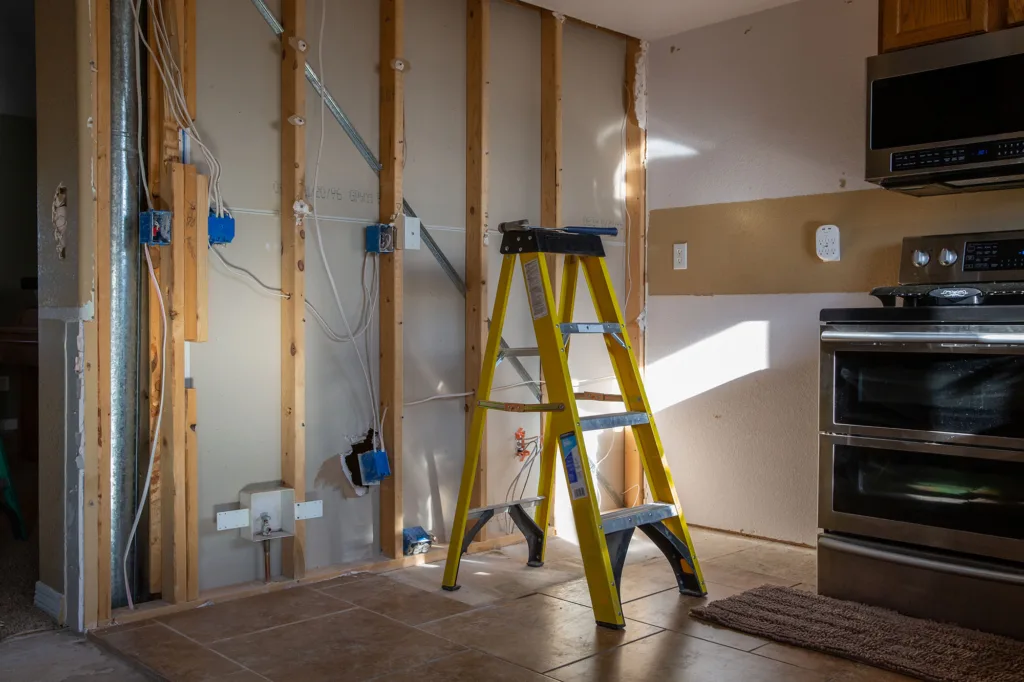
Essential Safety Features for New Builds and Extensions
Advancements in electrical technology have made homes safer than ever before. When designing an electrical system, consider integrating the following safety features:
Residual Current Devices (RCDs) and Surge Protection
RCDs are required for almost all domestic circuits, protecting against electric shocks by instantly cutting power if a fault is detected. Surge protection devices (SPDs) are also recommended to safeguard expensive electronics from power surges caused by lightning strikes or supply issues【source: Electrical Safety First】.
Smart Home Electrical Safety
Many new builds now incorporate smart home automation, such as app-controlled lighting, heating, and security systems. While convenient, these systems must be correctly wired and protected to prevent cyber vulnerabilities or electrical faults.
Energy Efficiency Considerations
Installing LED lighting, energy-efficient appliances, and smart heating controls can reduce electricity consumption while ensuring a safer electrical load on the system.
Common Electrical Mistakes in New Builds and Extensions
Even with strict regulations, mistakes still occur. Avoid these common pitfalls:
- Overloaded circuits – Not designing circuits to handle modern appliances can lead to frequent tripping.
- Insufficient power points – Failing to install enough sockets can result in excessive use of extension leads, which are a fire hazard.
- Ignoring future-proofing – Not planning for future EV chargers, solar panels, or smart home expansions can lead to expensive modifications later.
- DIY electrical work – Carrying out unqualified electrical work is not only illegal but also dangerous.
FAQs
How often should a new build’s electrics be inspected?
New builds require an Electrical Installation Condition Report (EICR) after 5 years and then at regular intervals. Landlords must have an EICR done every 5 years, while homeowners should schedule periodic inspections for safety.
Can I do electrical work myself in a new build?
Minor tasks like replacing a light switch are allowed, but any work involving new circuits, fuse box replacements, or installations in kitchens and bathrooms must be carried out by a registered electrician.
What happens if electrical work isn’t certified?
Uncertified electrical work can lead to legal penalties, failed property sales, and voided insurance claims. It’s always best to ensure that a professional signs off on all electrical work.
Conclusion
Electrical safety in new builds and extensions is non-negotiable. By adhering to UK regulations, planning installations properly, and using qualified professionals, you can ensure a safe and reliable electrical system. Avoiding common mistakes and incorporating modern safety features will further enhance the longevity of your electrical setup.
If you need expert guidance on your project, contact our team for professional electrical solutions.