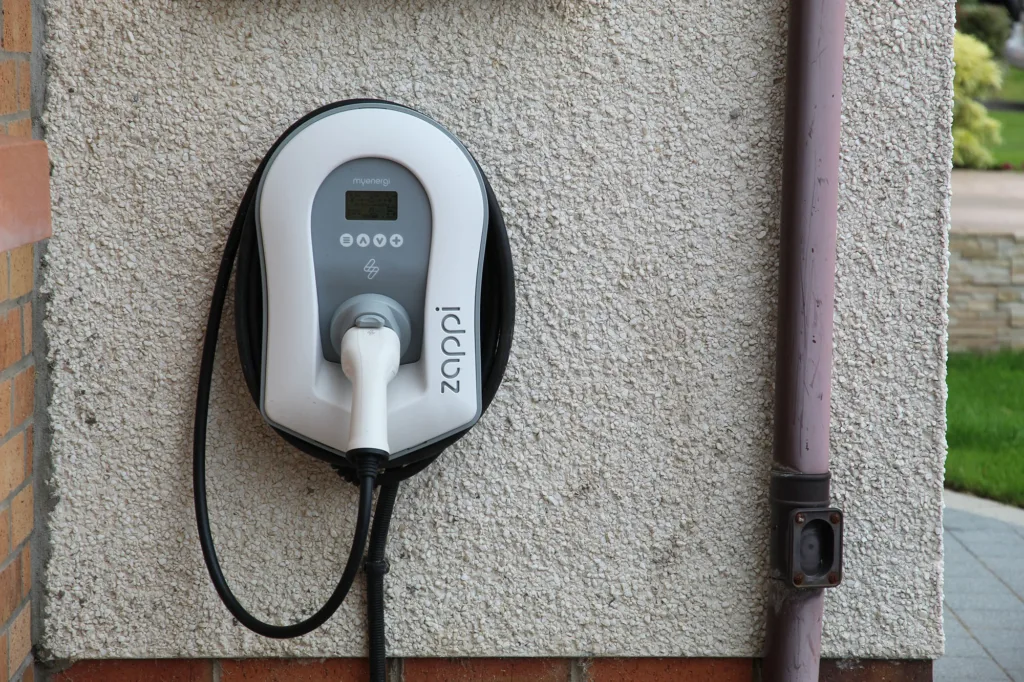
Electric vehicles (EVs) are transforming how we approach transportation, and installing a home EV charger is an essential step for many UK homeowners. While choosing the right charger is important, selecting the correct cable size is just as crucial. Using an undersized cable can lead to overheating, power loss, and even serious electrical hazards. On the other hand, an oversized cable may be unnecessary and add to installation costs.
For a 7kW EV charger, most installations require a 6mm² cable, but this can vary depending on factors such as cable length, voltage drop, and the installation method. Following BS 7671 standards and ensuring compliance with DNO (Distribution Network Operator) requirements are also essential for safety and efficiency. This guide will break down the key considerations, helping you make an informed decision for a safe and reliable EV charger installation.
Choosing the Right Cable for a 7kW EV Charger
Why Cable Size Matters
The cable connecting your EV charger to your consumer unit (fuse box) carries a high electrical load. Choosing the right size ensures:
- Safety – Prevents overheating, which can lead to electrical fires.
- Efficiency – Reduces voltage drop, ensuring the charger operates at full capacity.
- Compliance – Meets UK electrical regulations to avoid legal issues.
Recommended Cable Size
For most 7kW home chargers, a 6mm² cable is the standard recommendation. This size is suitable for carrying the required 32A (amp) current on a 230V single-phase supply. However, in certain cases, a larger cable size (10mm²) may be required.
You should consider a 10mm² cable if:
- The cable run exceeds 20 metres, increasing voltage drop.
- The cable is installed in conduit or underground, reducing heat dissipation.
- Future-proofing for possible upgrades to an 11kW or 22kW charger.
Factors Affecting Cable Choice
Installation Distance
Longer cable runs result in voltage drop, reducing the charger’s efficiency. As a rule of thumb, if the distance from your consumer unit to the charge point exceeds 15-20 metres, using a 10mm² cable is advisable.
Installation Method
The way your EV charger cable is installed impacts its ability to carry current safely.
- Surface-mounted cables dissipate heat better, requiring less derating.
- Cables in conduit or buried underground require larger sizes due to reduced airflow.
- Grouped cables in ducts may also need to be upsized to prevent overheating.
Environmental Factors
Heat affects cable performance. High ambient temperatures (e.g., cables installed in lofts) increase resistance, meaning you may need a larger cable to compensate.
Our EV charger installation service ensures your setup meets all necessary electrical and safety standards.
Compliance with UK Wiring Regulations
BS 7671 Standards and Legal Requirements
All EV charger installations must comply with BS 7671: IET Wiring Regulations, which define safety standards for electrical work in the UK. Regulation 722 specifically applies to EV charge points, covering aspects such as:
- Cable selection and installation methods.
- Circuit protection to prevent faults.
- Earthing and bonding requirements.
Your Distribution Network Operator (DNO) may also need to be notified, especially if your property’s electrical supply needs upgrading to support the 32A charger load.
Circuit Protection and Earthing Considerations
Every EV charger circuit requires:
- A dedicated 32A breaker to prevent overloading.
- A Residual Current Device (RCD) Type A or Type B for added protection.
- Earth rods or PEN fault protection, depending on the charger type.
Check out some of our EV installation projects to see real-world examples of compliant installations.

Installation Considerations for Optimal Performance
Cable Length and Voltage Drop
Voltage drop is the reduction in voltage as electricity travels through a cable. BS 7671 recommends keeping voltage drop below 5% to maintain charger efficiency.
How to Reduce Voltage Drop
- Use thicker cables (10mm² instead of 6mm²) for long distances.
- Minimise bends and joints in the cable route.
- Use a voltage drop calculator to assess installation needs.
Choosing Between EV Ultra Cable and Armoured Cable
EV Ultra Cable (6mm² or 10mm²)
- Includes power and data cables in one sheath.
- Ideal for indoor or short-distance installations.
10mm² Armoured Cable
- Provides better durability for outdoor installations.
- Required for longer runs to reduce voltage drop.
Ethernet Considerations: Some smart chargers require a CAT5E Ethernet cable for load balancing and monitoring.
If you’re unsure about the best option, speak to an expert for personalised advice.
Professional vs. DIY Installation – What You Need to Know
Why Professional Installation is Essential
- Ensures compliance with BS 7671 and DNO approval.
- Reduces risk of electrical faults and incorrect wiring.
- Enables eligibility for government grants (e.g., OZEV).
DIY installations may void warranties and increase safety risks. Always use a qualified electrician for a compliant and safe installation.
For official guidance, refer to the UK electrical safety rules.
FAQs
Can I use a 2.5mm² or 4mm² cable for a 7kW charger?
No, these sizes are too small and may overheat, causing fire risks and voltage drops. Always use 6mm² or 10mm², depending on the installation conditions.
Do I need to inform my electricity provider before installing an EV charger?
Yes, most DNOs require notification before installation. If your home has limited supply capacity, they may need to upgrade your electrical service.
What’s the best way to future-proof my EV charger installation?
Installing a 10mm² cable instead of 6mm² allows you to upgrade to 11kW or 22kW chargers without rewiring.
Conclusion
Choosing the correct cable size for a 7kW EV charger is crucial for safety, efficiency, and compliance with UK regulations. While a 6mm² cable is suitable for most installations, 10mm² may be necessary for longer cable runs or future-proofing.
To ensure safe and compliant installation, always use a qualified electrician. If you’re considering an EV charger for your home, speak to our experts for a professional and hassle-free service.
Visit Wave Electrical Solutions to learn more about our EV charger installation services.