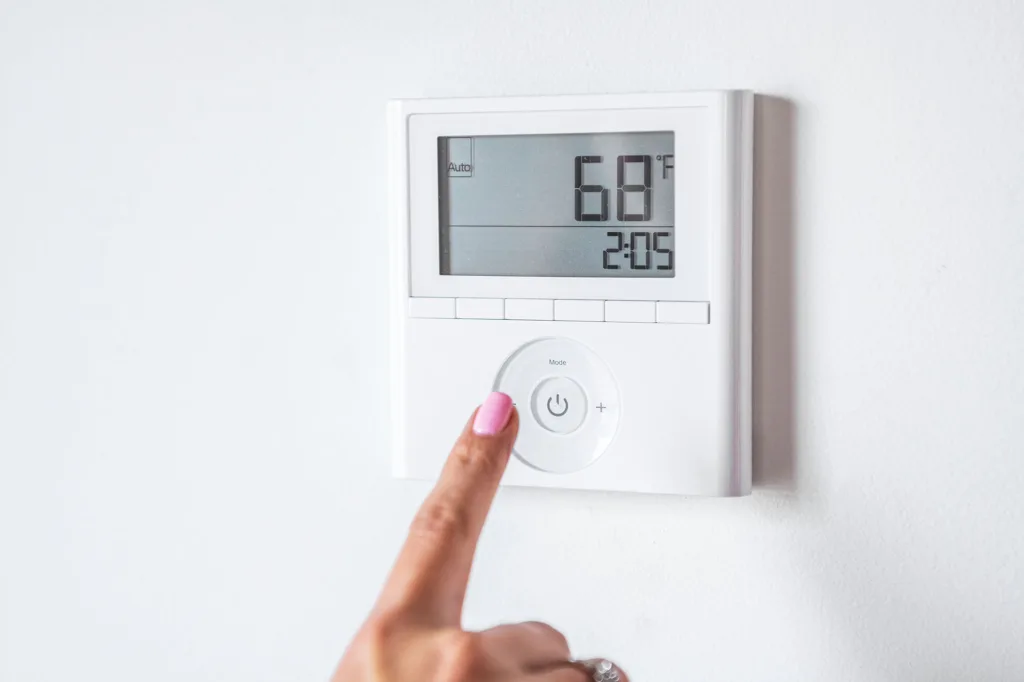
It’s tempting to think all thermostats are equal when it comes to fitting them, but anyone who’s wrestled with a mess of wires or struggled through unclear instructions knows that some models are far more forgiving than others. Whether you’re trying to save on electrician costs or simply like the idea of doing things yourself, finding a thermostat that won’t make you rip your hair out during installation is a smart move.
The good news? There are several thermostats on the UK market that are designed with ease-of-use in mind—some that even snap into place with barely a screwdriver involved. But the right fit for you isn’t just about simplicity. It’s also about making sure the model is compatible with your existing heating system, whether you’re on a combi boiler, system boiler, or an older setup with storage heaters.
This guide walks you through everything you need to know before buying—from what makes a thermostat easy to install, to which models are genuinely beginner-friendly, and when it’s better to step back and call a professional.
Why Ease of Installation Matters
Reducing Time, Cost and Mistakes
Fitting a thermostat isn’t rocket science, but it does involve electricity, and in the UK, that means following strict safety standards. Choosing a model that simplifies the process can save time, reduce the margin for error, and make your home safer in the long run.
When DIY Is Feasible — When to Call a Pro
Some models are designed to work straight out of the box with minimal effort, while others might require rewiring or digging through user manuals. If your goal is a quick, tidy install, knowing which features to look for will make a world of difference.
But let’s be clear: not every thermostat is a DIY job. When you start getting into complex systems or smart integrations, it may be safer (and legal) to get a certified electrician involved.
What Makes a Thermostat Easy to Install
There are a few tell-tale features that separate the plug-and-play thermostats from the ones that practically demand an electrical engineering degree.
- Wireless or battery-powered models often require the least work. They usually come with a receiver that connects to your boiler, and a battery-powered control unit you can place anywhere in the house.
- Clear labelling and instructions on the terminals can save loads of time. If a thermostat comes with vague diagrams or assumes you know your “NO” from your “NC,” you’re in for trouble.
- Snap-fit backplates or wall anchors are another win. No faffing about trying to align screw holes.
- Minimal wiring also helps. The fewer terminals that need connecting, the less risk of getting it wrong. Some smart thermostats only need power and a call-for-heat connection.
- Pre-paired components—especially in wireless systems—skip the tedious setup steps of syncing devices manually.
You’ll find these features most often in the smarter, modern devices built with user experience in mind. That’s also where smart heating controls come into play—they’re designed for both functionality and simplicity.
Comparing Types by Installation Difficulty
Not all thermostats are built the same, especially when it comes to how fiddly they are to fit. Here’s how they stack up by type—from dead simple to potentially stressful.
Manual / Mechanical Thermostats
If all you need is basic on-off control, these are the easiest of the bunch. Most manual thermostats connect with just a couple of wires—live in and switched live out—and can often be installed with nothing more than a screwdriver and a basic understanding of wiring. They don’t need programming, Wi-Fi, or apps. The main downside? Limited functionality. But for ease of install, they’re hard to beat.
Programmable / Digital Thermostats
A step up in both function and complexity. These give you scheduling features, usually via a digital interface, and may require a neutral wire as well as live and switched live. Some are battery-powered, which avoids extra wiring, but others require mains power. Setup generally involves mounting the backplate, connecting three or four wires, and following the on-screen instructions. Still manageable, but no longer a two-minute job.
Wi-Fi / Smart Thermostats
Here’s where things get interesting. Smart thermostats like Hive, Nest, or Tado offer impressive features—remote control, geolocation, voice integration—but the installation complexity can vary widely. Some require a hub and receiver to be hardwired to your boiler. Others work wirelessly but still need a C-wire (common wire) for constant power.
Many smart systems are modular—meaning once the receiver is installed, future upgrades are often easy. However, the initial setup may be too involved for a complete novice, especially if you’ve got old wiring or no common wire. This is where many people opt for professional installation.
Zonal or Multi-Sensor Systems
If you’re trying to control multiple zones in the house independently, expect more effort. These setups involve multiple thermostats or smart radiator valves, additional wiring or wireless pairing, and app configuration. You’ll need to be comfortable managing several devices at once, and possibly a central control panel. Not ideal for a first-time DIYer.
UK Regulations & Safety You Must Know
Fitting a thermostat yourself might sound like a fun Sunday project—but in the UK, it comes with legal responsibilities. Electrical work around heating controls can fall under notifiable work if it’s in certain areas (like kitchens or bathrooms) or involves new circuits.
Building Regulations: Part P Compliance
According to Approved Document P, any electrical installation must be carried out safely and, where necessary, reported to your local building control. If you’re changing wiring or fitting new equipment, even a thermostat, the job might be notifiable.
Hiring a registered electrician ensures you’re compliant and avoids issues when selling your property later. If you’re going the DIY route, you must notify your council and have the work inspected. It’s not optional.
Competent Person Scheme
If you do want to go it alone, consider becoming part of a recognised Competent Person Scheme. This way, you can self-certify your work. Otherwise, you’ll need sign-off from a qualified person.
Think Safety First
Before touching any wires, always switch off the circuit at the consumer unit. Use a voltage tester to double-check everything is off. Thermostat wiring usually carries 230V mains power, which is more than enough to cause serious harm.
You can find more advice about choosing the right thermostat for your property on our blog: Can you put a smart thermostat in any house?
Easiest Thermostat Models to Install (UK)
When it comes to thermostats that almost install themselves, a few standout models are clear winners for UK homeowners. These are ideal for people who want a hassle-free install without sacrificing quality or smart features.
Battery-Powered Wireless Thermostats
These are some of the most DIY-friendly options around. Because the control unit runs on batteries and communicates wirelessly with a boiler receiver, you don’t need to channel wires through walls or disturb your décor. Installation is usually as simple as:
- Mounting the receiver near your boiler
Connecting two or three wires (L, N, and SL) - Pairing with the battery-powered thermostat
Brands like Salus RT510RF, Drayton Digistat RF, and Hive Mini make wireless models that are well-reviewed and easy to work with. Most come pre-paired out of the box, so you’re not wasting time troubleshooting wireless signals.
Smart Thermostats Designed for Easy Fit
Not all smart thermostats are complicated. Some are made with UK wiring standards in mind and come with step-by-step instructions, setup apps, and pre-labelled backplates. The Nest Learning Thermostat (3rd Gen) is one such example—while it needs a separate Heat Link unit, it can work well even in homes without a common wire.
The Hive Active Heating system also wins points for simplicity. It comes with a smart thermostat, receiver, and hub, all of which are designed to work seamlessly with UK combi boilers. The receiver connects with standard L, N, and SL boiler connections and the thermostat can be placed anywhere.
Plug-in or Retrofit Options
Some modern systems allow you to plug into existing thermostat wiring or even into standard sockets. The Tado Starter Kit, for example, is designed to replace wired wall thermostats with minimal fuss. These types of kits often come with everything you need—including wall mounts and adhesive strips—making them popular among renters or those in newer builds.
Just remember to check compatibility before buying—some models work only with certain heating types or may require professional setup for zoned control.
Step-by-Step Example of an Easy Install
To give you an idea of what a basic install looks like, here’s a general walkthrough for a wireless thermostat with a boiler receiver:
1. Gather What You Need
Grab the thermostat kit, a screwdriver, wire stripper, and voltage tester. Read through the instructions to familiarise yourself with the components.
2. Turn Off the Power
Always shut off the power at the consumer unit before touching anything. Use your voltage tester to confirm the boiler’s terminals are dead.
3. Remove the Old Thermostat (if applicable)
Take photos of the existing wiring setup before removing it. This will make it easier to replicate connections on the new receiver.
4. Mount the Receiver
Fix the receiver unit near your boiler. Run the cables into the terminals—typically Live (L), Neutral (N), and Switched Live (SL)—and tighten securely.
5. Power Up and Pair
Switch the power back on and pair the receiver with the thermostat. Some models are already synced; others might need a pairing button press.
6. Place Your Thermostat
Place your thermostat in a central room, away from heat sources or draughts. Battery-powered models give you full flexibility here.
This basic process works for a large number of wireless thermostats, especially those made with UK systems in mind. It’s quick, doesn’t require wall chasing, and keeps wiring to a minimum.
Troubleshooting Common Issues
Even the easiest thermostats can cause a bit of confusion during setup. If something’s not working as expected, don’t panic—most problems have simple fixes.
No Power to Thermostat
First, double-check that the circuit powering your boiler or thermostat is switched on at the consumer unit. If it’s a battery-powered model, confirm the batteries are inserted correctly and fully charged. For wired models, loose terminals are a common issue—always double-check your connections.
Wi-Fi or Pairing Problems
Smart thermostats sometimes refuse to connect to the app or your home Wi-Fi. Restart your router and ensure your phone is on the same network. If pairing the receiver and thermostat manually, follow the button sequence in the manual—missing a step often causes the issue.
Compatibility Confusion
If your thermostat isn’t triggering the boiler or heating system, it may not be compatible. Always match the thermostat to the heating type—combi boiler, system boiler, or electric heating. Also, confirm whether a C-wire is needed and available.
When Installation Isn’t “Easy” — What Adds Complexity
Old Wiring or No C-Wire
Many older UK homes lack a common wire (C-wire), which is needed by some smart thermostats for power. While some models work around this with batteries or proprietary solutions, others may need a separate transformer or professional installation.
Complex Heating Systems
Underfloor heating, multi-zone systems, or hybrid heating setups typically require more complex thermostats and integration steps. These are rarely beginner-friendly and often need multiple components installed in tandem.
Smart Home Integration
If your heating is part of a broader smart home setup (voice control, routines, automation), configuration gets more technical. These require proper pairing with services like Alexa, Google Assistant, or Apple HomeKit—which isn’t always intuitive for beginners.
FAQs
Can I install a smart thermostat myself in the UK?
Yes, many models are designed for DIY installation, especially wireless or battery-powered thermostats. However, any work involving fixed wiring may fall under Part P of the Building Regulations and could require sign-off from a certified electrician.
Do I need a C-wire for all thermostats?
Not always. Some smart thermostats can run on battery or draw power in alternative ways. However, others (like Nest or Tado) may perform better or require a C-wire to function consistently. Check the model requirements before buying.
Will changing my thermostat affect my boiler warranty?
Not typically, as long as the thermostat is compatible and properly installed. However, improper wiring or installing a non-approved control unit could cause issues with manufacturer terms. Always read your boiler manual or consult the supplier.
Conclusion & Next Steps
Thermostats don’t need to be intimidating. For the average UK homeowner, a battery-powered wireless unit is often the easiest route—especially when paired with clear installation guides and snap-fit parts. For those wanting smart features, Hive and Nest offer fairly straightforward setups when used with compatible boilers.
That said, your setup matters. What’s “easy” for one home may be a nightmare for another, especially if your wiring is outdated or your system is more advanced. The key takeaway? Choose a thermostat that suits both your skill level and your heating system.
Need help deciding what will work best in your home—or want the confidence of a certified install? Contact the experts at Wave Electrical Solutions for trusted advice and professional fitting.