Condensation and mould growth are common issues in many UK homes, often caused by poor ventilation. Positive Input Ventilation (PIV) units offer an effective solution by introducing fresh, filtered air into the property while pushing out stale, humid air. However, simply installing a PIV unit isn’t enough—placement plays a crucial role in ensuring the system works efficiently.
Choosing the wrong location could lead to uneven airflow, reduced effectiveness, and even higher energy consumption. Factors such as property size, layout, and insulation must be considered when deciding where to position the unit. Whether you’re looking at a loft-mounted PIV system or a wall-mounted alternative, this guide will help you determine the best placement for maximum efficiency.
How PIV Units Improve Ventilation
PIV units are designed to create a healthier indoor environment by continuously supplying fresh air while removing excess moisture and pollutants. The system works by drawing air from outside, filtering it, and then gently introducing it into the property. This controlled air movement prevents damp conditions that encourage condensation and mould growth.
Key Benefits of a PIV System:
- Reduces condensation and damp problems by balancing indoor humidity levels.
- Improves air quality by removing allergens, pollutants, and stale air.
- Lowers the risk of mould growth, which can cause health issues.
- Energy-efficient operation with low running costs.
PIV systems are particularly beneficial for older homes or properties with poor ventilation, where traditional extractor fans may not be sufficient. If you’re considering installing one, take a look at our PIV fan services to find the right solution for your home.
Key Factors in Choosing the Right Placement
The effectiveness of a PIV unit depends largely on where it is installed. The goal is to ensure even air distribution throughout the home while avoiding common obstructions.
Loft vs. Wall-Mounted Units
For most homes, the best place to install a PIV unit is in the loft, where it can distribute air through a ceiling-mounted diffuser, usually positioned in a central location like a landing or hallway. Loft-mounted PIV units are the most effective option because they use the natural rise of warm air to circulate fresh air efficiently.
However, not all properties have lofts, particularly flats or bungalows with limited attic space. In these cases, a wall-mounted PIV unit is the better alternative, drawing air from an external source and distributing it through internal vents.
If you’re considering different installation options, you can explore PIV fan projects to see examples of past installations.
Central Placement for Even Air Distribution
To ensure the best airflow, PIV units should be installed centrally within the property. Placing the diffuser in a landing or hallway allows fresh air to be naturally distributed to other rooms through open doorways.
Key Considerations for Placement:
- Avoid placing the diffuser directly above stairs—this can cause uneven airflow.
- Keep the unit away from insulation or obstructions that could block the air supply.
- Ensure doors remain open to allow airflow to circulate efficiently.
Ensuring Proper Ventilation and Airflow
The loft should be well-ventilated to allow the PIV unit to draw fresh air effectively. If the loft is poorly ventilated, stale air may be recirculated instead of fresh air being introduced.
To maximise efficiency:
- Ensure loft vents or air bricks are in place to allow a steady flow of fresh air.
- Check for obstructions like stored items or thick insulation around the PIV unit.
- Regularly clean or replace air filters to maintain good air quality.
Step-by-Step Guide to Installing a PIV Unit
Installing a Loft-Based PIV System
- Choose a central location in the loft for the unit, ideally above a hallway or landing.
- Mount the unit on a secure, flat surface away from insulation.
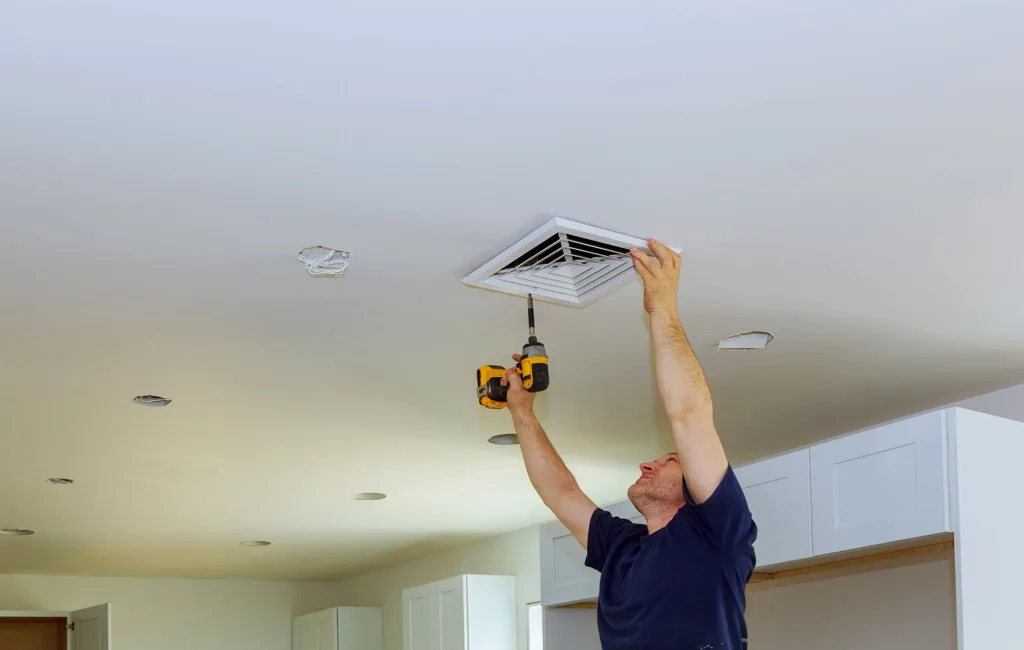
- Fit the ceiling diffuser directly below the unit for optimal air distribution.
- Connect the unit to a power source and set up controls based on humidity levels.
- Test the airflow to ensure even distribution throughout the home.
Installing a Wall-Mounted PIV System
- Select an exterior wall with enough space for the unit and ducting.
- Drill a hole for the ducting to bring in fresh air from outside.
- Secure the PIV unit to the wall and connect the ductwork.
- Seal and insulate the ducting to prevent heat loss and condensation.
- Power the unit and configure settings for optimal ventilation.
Professional vs. DIY Installation
While some homeowners attempt DIY installations, professional installation is recommended to ensure compliance with electrical and ventilation regulations. Poor installation can lead to inefficient airflow, increased energy use, or even electrical hazards.
For expert installation, it’s best to contact a professional who can assess your property and recommend the best setup.
Compliance and Building Regulations for PIV Installation
Installing a PIV unit must comply with UK building regulations, particularly regarding ventilation and electrical safety. According to Part F of the Building Regulations, all ventilation systems must provide adequate air circulation while preventing excessive heat loss.
Key compliance factors include:
- Electrical safety – The unit must be connected to a fused spur or designated power source.
- Fire safety – Installers should ensure that the unit does not compromise fire barriers within the property.
- Proper ventilation – Fresh air must be drawn from a ventilated space (such as a well-ventilated loft) or directly from the outside.
For detailed guidance, refer to UK Building Regulations Part F.
FAQs on PIV Unit Placement
1. Can I install a PIV unit in a room instead of the loft?
PIV units are designed to work from lofts or external walls. Installing one inside a room would not provide the necessary air circulation and could reduce its effectiveness.
2. How much maintenance does a PIV unit need?
Maintenance is minimal, but filters should be checked and replaced annually to ensure clean airflow. Some models also have humidity sensors that may need occasional recalibration.
3. Will a PIV unit increase my energy bills?
PIV units run on low power and typically cost less than £10 per year to operate. They can even reduce heating costs by improving air circulation, preventing damp-related heat loss.
Conclusion
Choosing the right placement for your PIV unit is essential for maximising its efficiency and effectiveness. For most homes, a loft-mounted unit with a central ceiling diffuser is the best option, while wall-mounted systems work well for properties without lofts. Proper installation, good ventilation, and compliance with UK building regulations all contribute to the system’s performance.
If you need expert advice or installation services, visit Wave Electrical Solutions to find the best ventilation solutions for your home.