Consumer Unit Replacement, Bathroom Fan Upgrade & Electrical Works – Newquay Flat
Electrical upgrade to a Newquay flat covering a 4-way RCBO consumer unit replacement in the landlord's cupboard, a new Airflow iCON 15 bathroom extractor fan with timer module, a client-supplied heater installation, and the clean removal and permanent blanking of a redundant kitchen extractor fan.
November 2026
Hob Extractors, Newquay
This job for a flat in Newquay – one of those projects where a few different tasks had built up and it made sense to tackle them all at once. The scope covered four main areas: replacing the existing consumer unit, fitting a new bathroom extractor fan, removing and blanking off a kitchen extractor, and swapping out a heating element for a client-supplied unit.
Consumer Unit Replacement
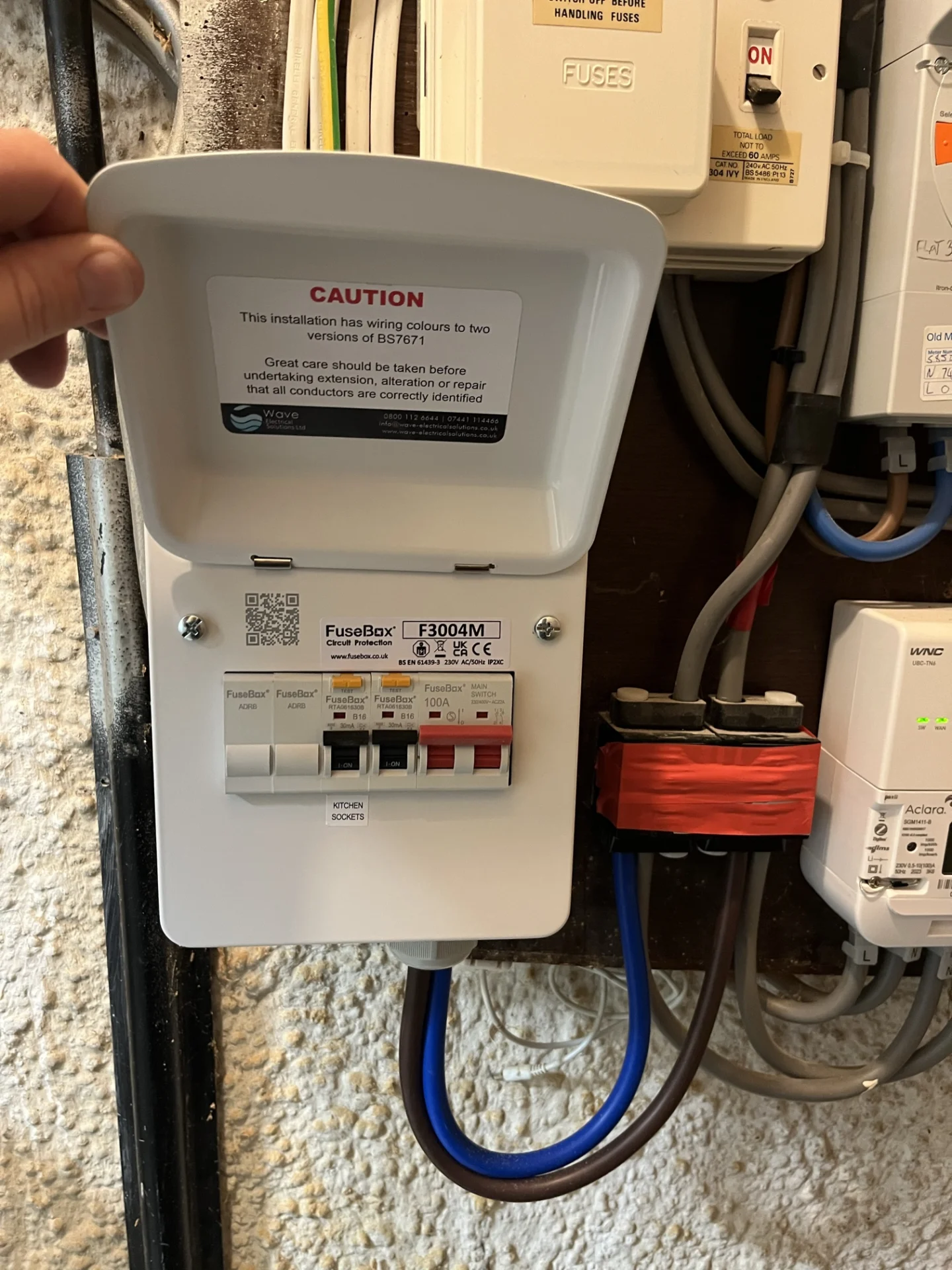
The existing consumer unit serving the flat was located in the landlord’s cupboard and was due an upgrade. It was replaced with a 4-way FuseBox RCBO distribution board, with individual RCBOs protecting each circuit – in this case, kitchen and socket circuits. RCBO protection means each circuit has its own combined overcurrent and residual current device, so a fault on one circuit doesn’t take out the whole board. The new unit was mounted on a timber board and properly terminated, with new meter tails and a tails gland to connect through cleanly. Once installed and tested, the board was labelled clearly and fitted with the relevant caution notices as required by the wiring regulations.
Where there’s a mix of older and newer cable colours present in a property – which is common in flats of a certain age – a dual-wiring-colour caution label is applied to the consumer unit as a warning to anyone working on the installation in future. This is standard practice under BS 7671 and makes sure anyone who opens that board later is immediately aware they may encounter both the old red/black and the current brown/blue cable colour conventions.
Bathroom Extractor Fan
The wall-mounted bathroom fan was past its best and had been flagged for replacement. A new Airflow iCON 15 100mm unit went in its place – a solid, quiet performer that’s commonly specified for residential bathrooms. Rather than the basic version, this one was fitted with an adjustable timer module, which sits inside the fan body and gives you control over the overrun period after the light or switch cuts out. That means the fan continues to extract moisture for a set time after someone leaves the bathroom, which helps with condensation and damp – a real consideration in any property, particularly one close to the coast.
The fan was wired in and tested, with the timer set before the job was signed off. It’s a neat, flush finish against the wall with the external grille remaining as-is on the exterior wall face.
Kitchen Extractor Fan Removal and Blanking
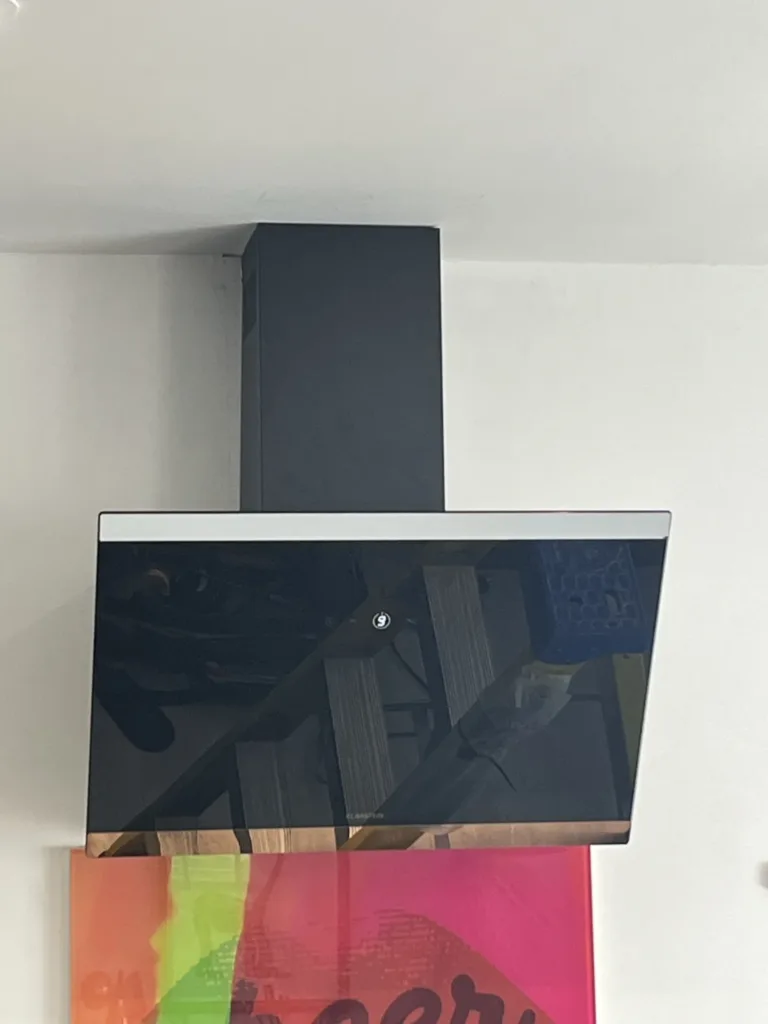
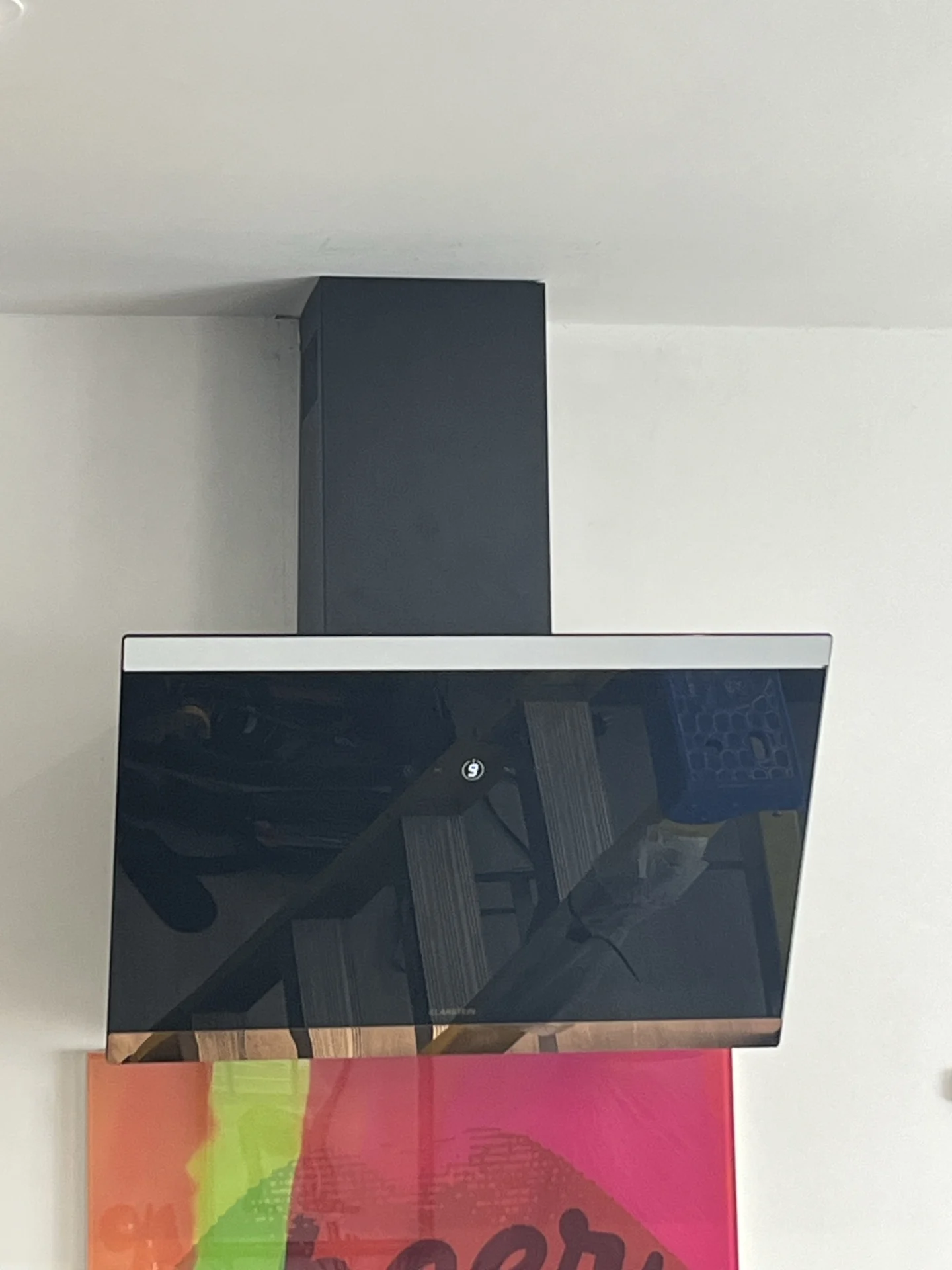
The kitchen had an existing extractor fan that was no longer required – the client had already replaced it with a new cooker hood, so the old wall-mounted fan and its duct hole needed to be decommissioned properly rather than just left open or roughly boarded over.
Removing the fan itself is straightforward, but leaving a 100mm hole through an external wall isn’t something you can just plasterboard over and forget about. Moisture, cold air and even pest ingress are all genuine concerns if that void isn’t dealt with correctly. The approach here was to remove the old fan and leave the existing external grille in position – it’s already weather-tight on the outside and removing it would mean making good the exterior brickwork or render, which was outside the scope of the job.
From the inside, a circular timber section was cut and fitted into the aperture, butted up hard against the back of the exterior grille. The cavity behind it was then filled with gap-filling expanding foam, which sets firm and seals the void completely against air and moisture. A second timber circle was used to close off the internal face, and a blanking cap was fitted over the top to give a clean, finished appearance on the internal wall surface. The result is a void that’s fully sealed, thermally broken and finished properly – no draughts, no cold spot on the wall, and nothing for condensation to track into.
Heater / Heating Element Replacement
The final part of the job was swapping out the existing heater or heating element for a unit the client had supplied themselves. This kind of replacement is common in rented flats where a landlord has sourced the unit directly or where a specific product has been chosen to match existing fittings. The old unit was disconnected and removed, and the new client-supplied one was wired in and tested to confirm it was operating correctly before the job was completed.
Taking on multiple tasks in one visit like this tends to work well for landlords and letting agents – it keeps disruption to a minimum and means the property doesn’t need multiple call-outs for separate jobs. Everything was tested and signed off at the end, with the consumer unit carrying the appropriate inspection label showing the date of the work.