An EICR – or Electrical Installation Condition Report – gives homeowners and landlords a clear picture of whether a property’s electrical installation is in a safe and serviceable condition. When this report flags observations, those findings are graded by severity, and any coded as requiring remedial action need addressing before the installation can be assessed as satisfactory. This project in St Austell is a good example of how that process works in practice: the EICR identified a handful of issues across the property, and the brief was to resolve each one, then re-verify the installation to issue a clean report.
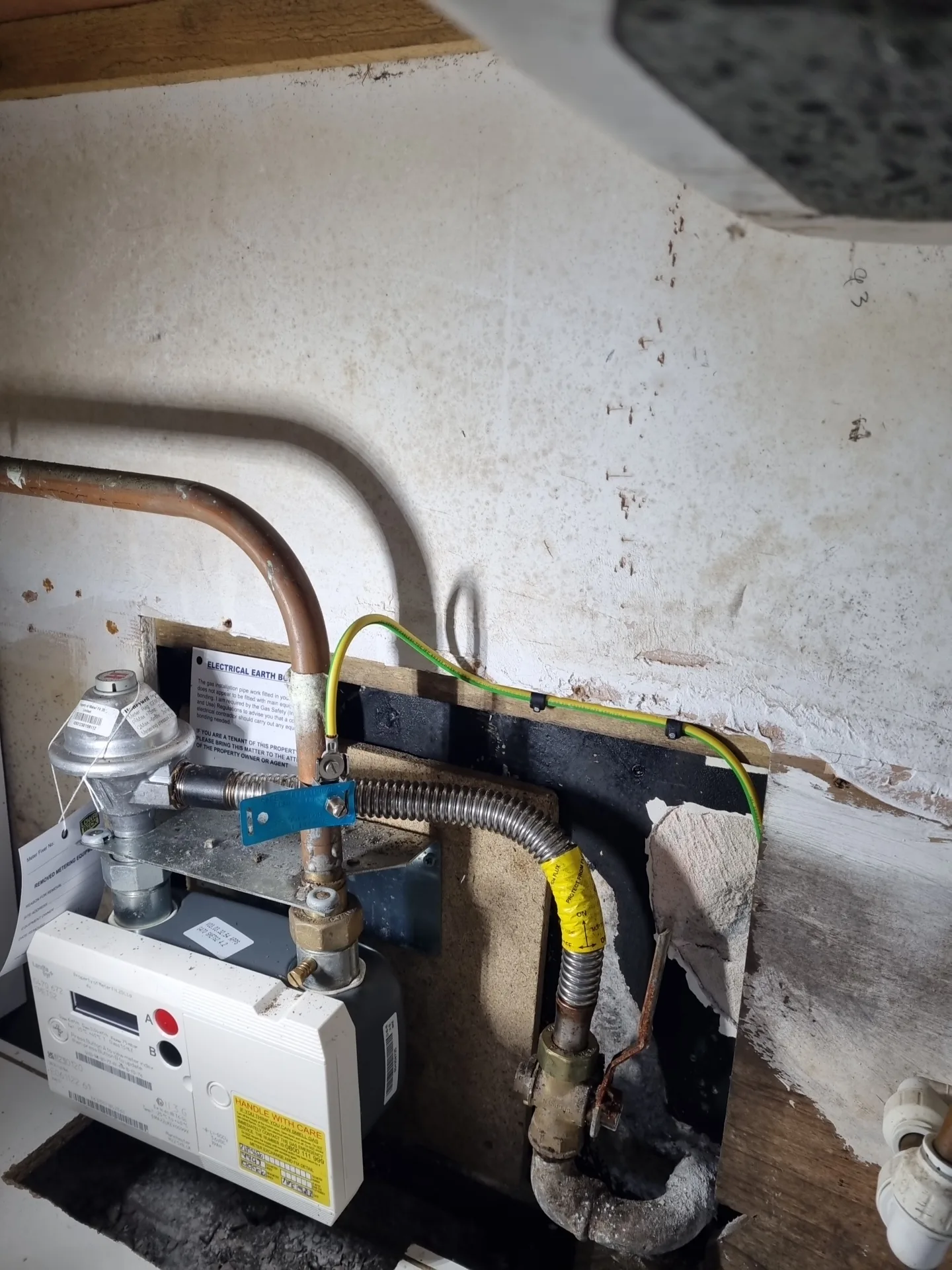
The first and most straightforward item from the inspection was the absence of gas pipe earth bonding. Under current wiring regulations, gas installation pipework entering a property must be connected to the main earthing terminal with a 10mm earth bonding conductor. This isn’t optional – it’s a required safety measure that protects against the risk of electric shock should a fault cause gas pipework to become live. Where bonding is missing, it’s classified as a required observation, meaning the installation cannot be passed as satisfactory without it being in place. The cable was routed from the consumer unit, clipped neatly along the external elevation of the building to keep disruption inside the property to a minimum, and terminated correctly at the gas meter. A bonding label was fitted at the meter end, as required.
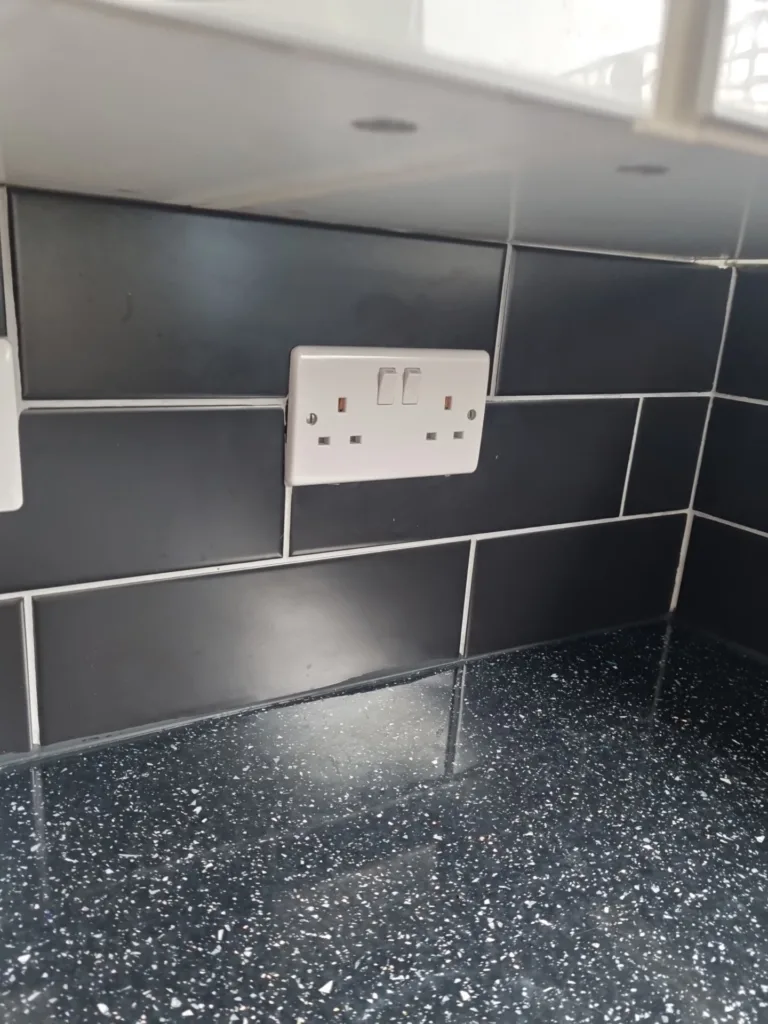
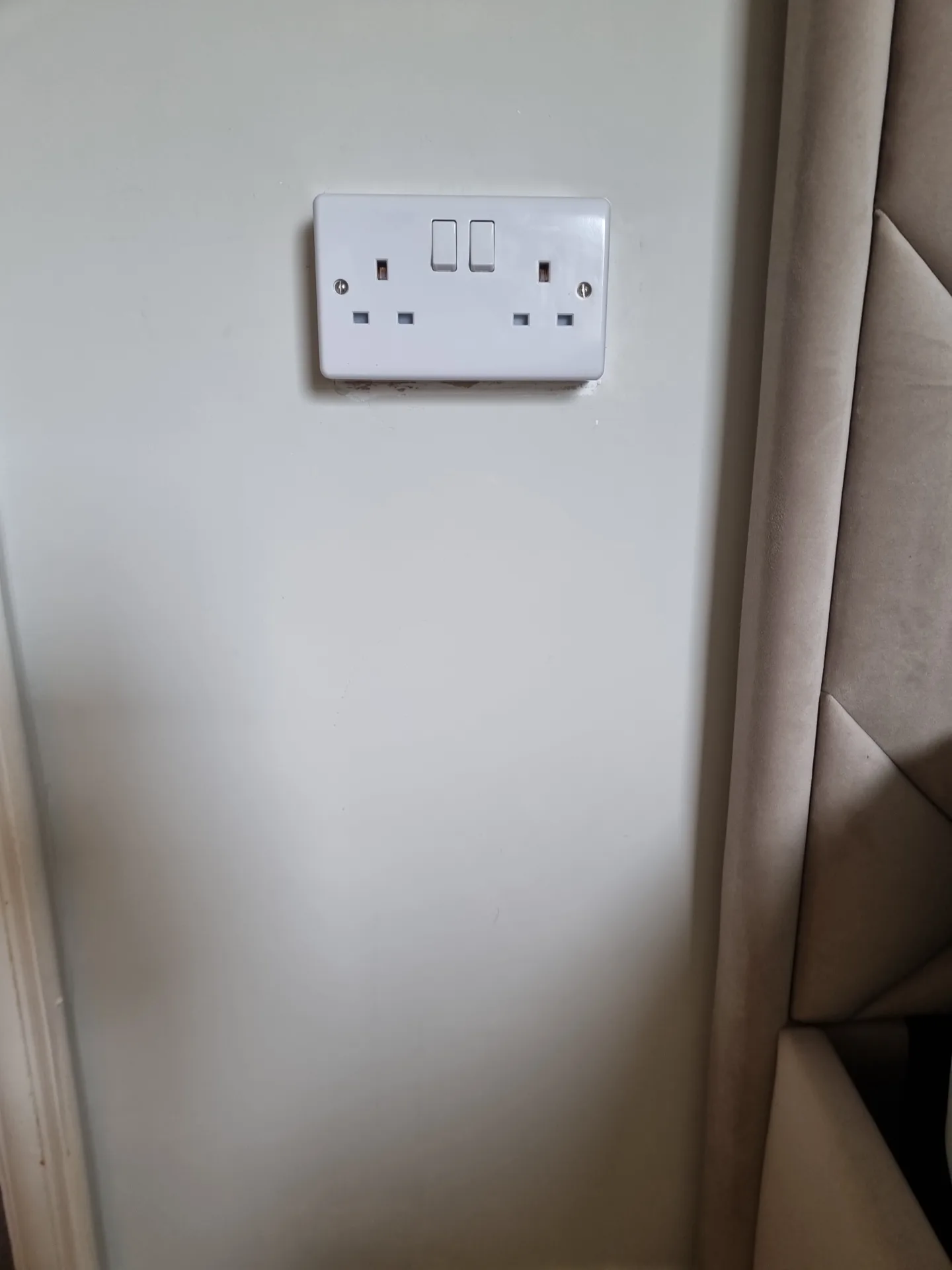
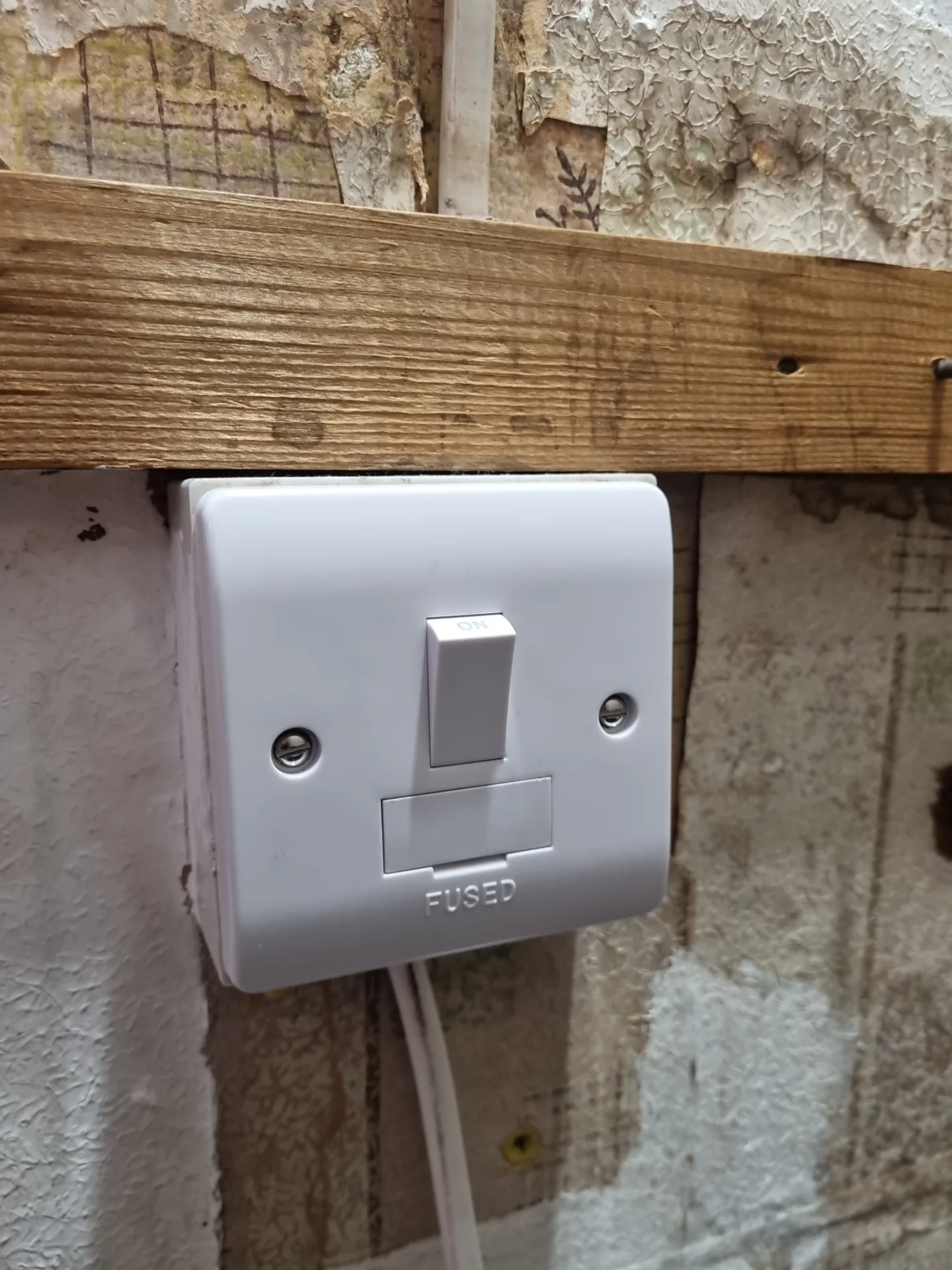
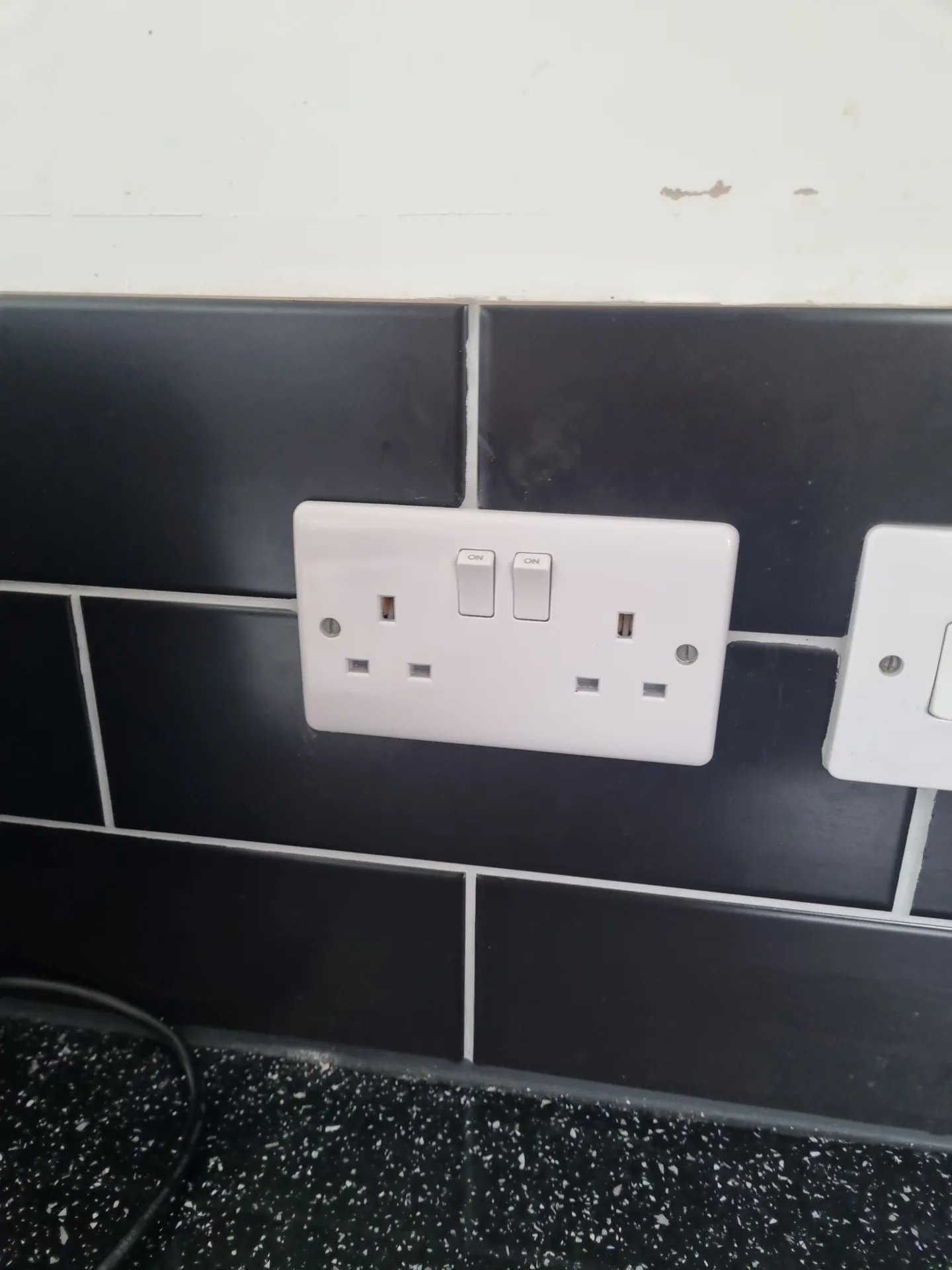
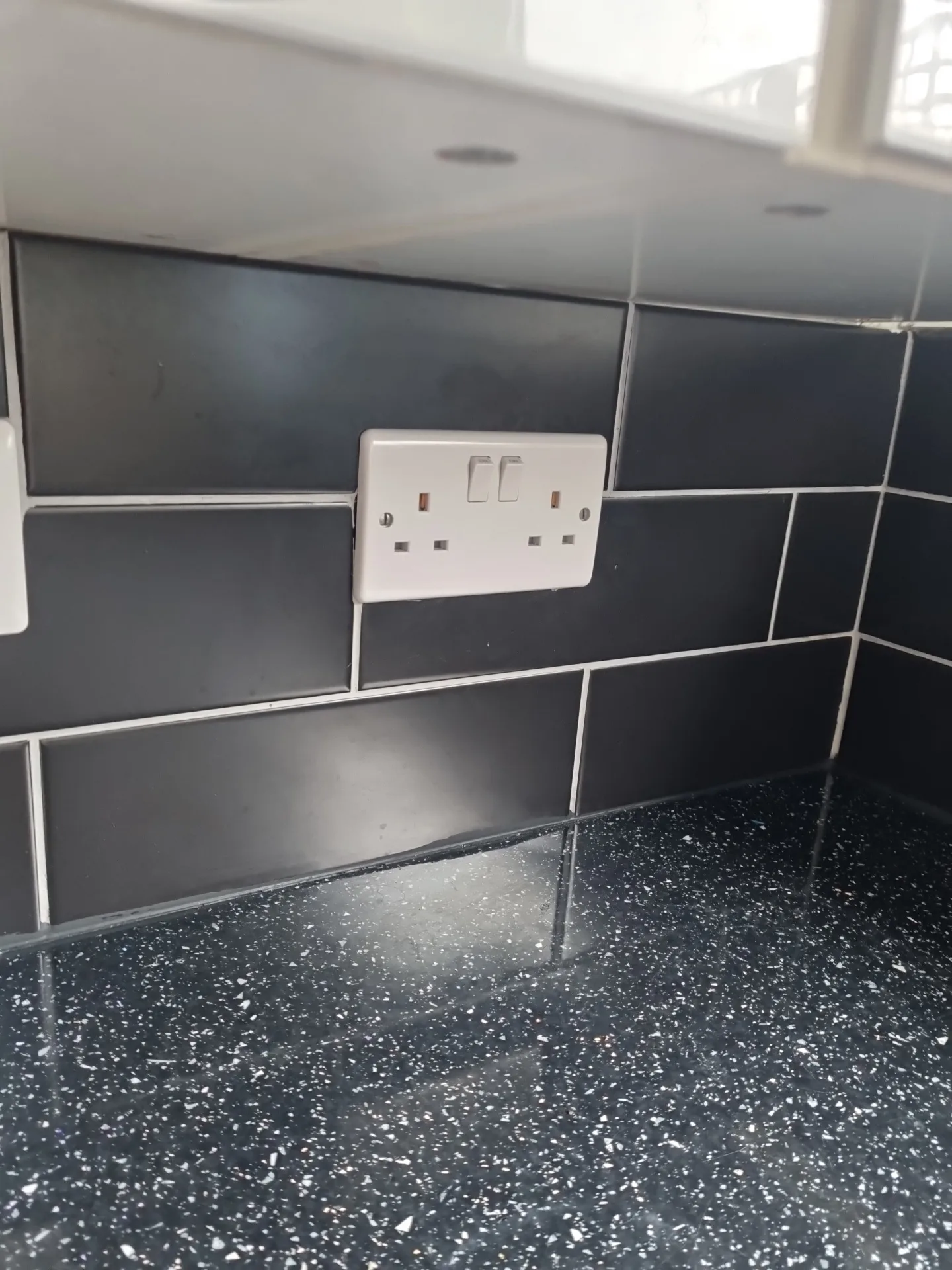
Once the bonding was in place, attention turned to the kitchen. The EICR had flagged three double socket outlets and associated fused switch units in that area as damaged – a relatively common finding in kitchens, where outlets take more day-to-day punishment than in other rooms. Cracked faceplates, damaged switching mechanisms, and general wear can all constitute a reportable defect, and while they might seem minor on the surface, damaged accessories can create real risk over time, particularly in a room where water and appliances are in close proximity. The three units were replaced with new double switched socket outlets. A fused switch in the cupboard was also found to be missing its fuse carrier – without the carrier in place, the device doesn’t function as intended and presents a code defect. That was replaced with a complete, functional unit.
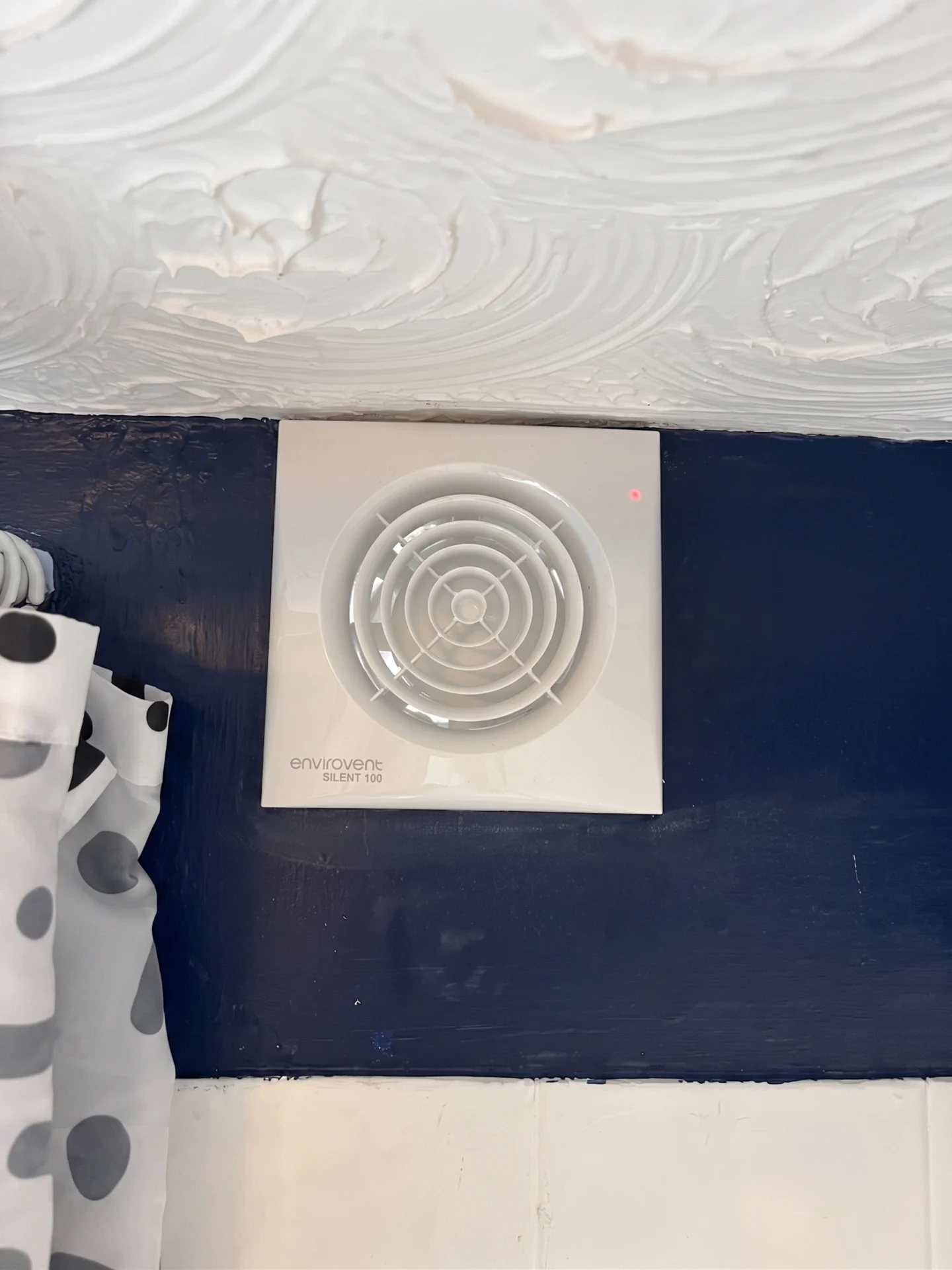
The more involved aspect of this project was the supply and installation of a bathroom extractor fan. The property didn’t have mechanical ventilation in the bathroom, which contributes to moisture build-up, condensation, and over time, damp. The fan was specified as a wall-mounted unit, positioned above the existing shower head, and wired to operate in conjunction with the bathroom light – so it runs automatically whenever the light is switched on, without requiring a separate switch inside the bathroom. This is a standard and practical arrangement that keeps the ventilation running during use without any thought required from the occupant.
Getting the fan installed required a 100mm diameter core to be drilled through the external masonry wall. This was done using a rotary diamond core drill, which produces a clean, accurate opening without the kind of cracking or spalling you’d get from less controlled methods. The duct passes through this core to the outside, allowing moist air to be expelled directly from the bathroom rather than into a ceiling void or roof space. Cabling for the fan was routed above the ceiling void, keeping it out of sight and away from the bathroom zone where zone restrictions apply. An isolator switch was fitted outside the bathroom – accessible for maintenance and servicing purposes, but outside the room itself to keep it away from any water risk.
With all the remedial works and the fan installation complete, a full re-inspection and verification was carried out to confirm that each defect had been rectified and that the installation now met the required standard. The appropriate electrical testing was conducted on the circuits involved, and the completed EICR was produced confirming a satisfactory assessment across the board. All documentation was provided to the client on completion.
For anyone who’s had an EICR come back with observations, the process doesn’t need to be complicated. The report tells you what needs doing; the job is to get it done properly and get the paperwork updated. Whether it’s bonding, accessory replacements, or something more involved like additional ventilation, the work should be carried out by a competent electrician who can both complete the works and issue the updated certification – which is exactly what this St Austell project delivered.