Emergency lighting replacement at a commercial premises in Newquay, addressing both exterior bulkhead fittings and interior panel lighting to maintain compliant safety systems for occupant protection during power failures.
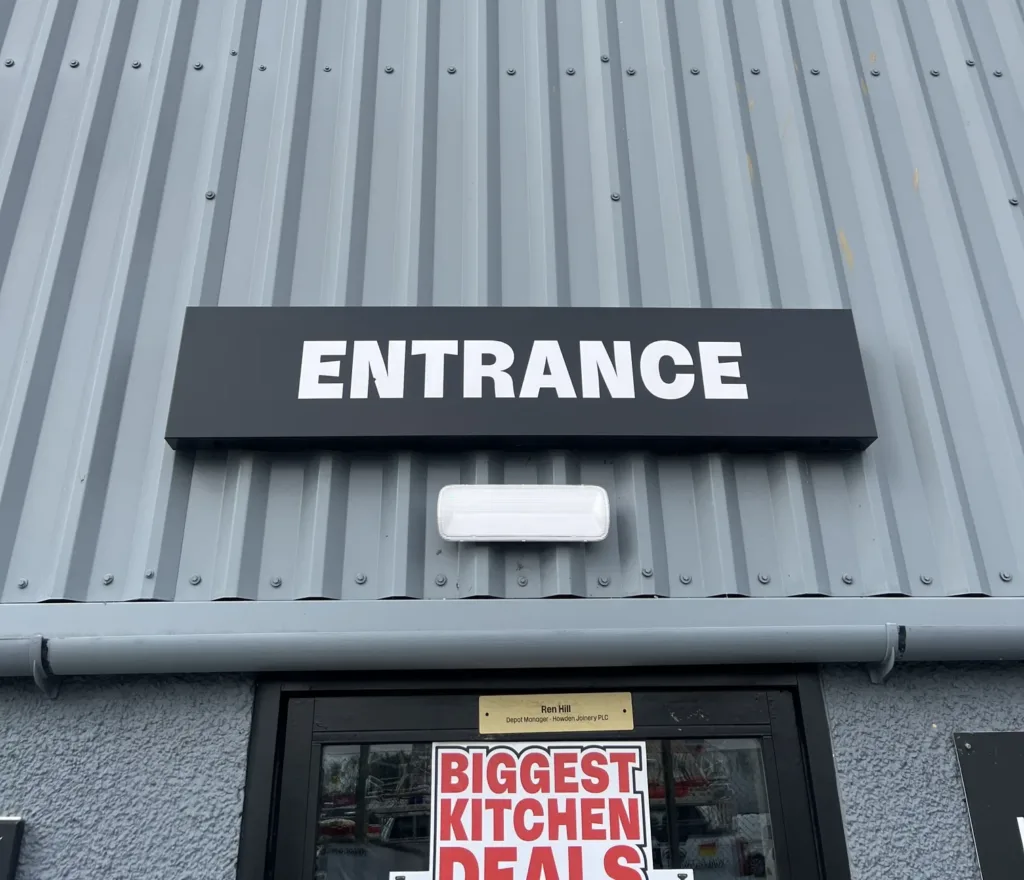
Commercial premises across the UK rely on properly functioning emergency lighting systems to protect occupants when mains power fails. The regulations governing these installations aren’t just bureaucratic requirements – they exist because darkness during an evacuation can be genuinely dangerous. When we were called to a commercial property in Newquay to replace failing emergency lighting, the work involved both external and internal fittings that had reached the end of their operational life.
Emergency lighting serves a specific purpose that differs from standard lighting installations. While your everyday lights provide visibility during normal operations, emergency lighting must activate automatically when the power supply is interrupted, providing sufficient light for safe evacuation. The systems need independent power sources, typically integral batteries that charge constantly from the mains supply and switch on the moment they detect power loss. This failsafe design means occupants won’t be plunged into darkness during the critical moments when they need to find exits.
The British Standard BS 5266 governs emergency lighting installations, setting out clear requirements for where these fittings must be placed and how they should perform. Fire exit routes need adequate illumination, as do final exit doors and any changes in floor level that could present a hazard in darkness. Open areas exceeding 60 square metres require emergency lighting, along with stairwells, corridors, and any location where people might be present. The standard specifies minimum light levels measured in lux, with escape routes requiring at least 1 lux along the centre line of the path.
This particular property required attention to exterior bulkhead-style emergency fittings. These units sit exposed to weather conditions throughout the year, facing rain, wind, and the salt air that comes with coastal locations. LED technology has transformed emergency lighting over recent years, offering significantly longer lamp life compared to older fluorescent or halogen alternatives. Where traditional emergency lights might need lamp replacements every few years, quality LED units can operate for decades. The bulkhead fittings being installed use LED arrays that draw minimal power whilst charging, reducing the running costs associated with keeping emergency systems ready.
Exterior emergency lighting presents particular challenges. The fittings must maintain their IP (Ingress Protection) rating to prevent moisture entering the housing, which would compromise both the electronics and the battery backup system. Coastal environments add another layer of consideration – the combination of salt and moisture accelerates corrosion on exposed metal components. Modern emergency bulkheads address these issues with robust polycarbonate housings and stainless steel fixings that resist the elements. The units installed at this property feature these weather-resistant materials, protecting the internal components whilst maintaining the clean appearance expected at commercial premises.
Inside the building, the work involved replacing a 600 x 600mm LED emergency light panel in the female toilet facilities. This size represents a standard ceiling tile dimension, allowing the fitting to integrate seamlessly with suspended ceiling grids. Panel-style emergency lights offer advantages in spaces where traditional bulkhead fittings might look out of place or fail to provide adequate coverage. The large diffuser surface distributes light evenly across the room, avoiding the harsh shadows that can occur with smaller point-source fittings.
Toilet facilities require emergency lighting under the regulations because they’re enclosed spaces where people might be present when power fails. Someone in a windowless toilet during a power cut needs sufficient light to navigate safely back to the main building and locate the nearest exit. The 600 x 600 panel format provides this coverage effectively, with the LED array behind the diffuser creating a broad, even light distribution that illuminates the entire space. This uniform lighting helps prevent trips and falls whilst people find their way out.
The testing requirements for emergency lighting systems matter just as much as the installation standards. Every fitting needs monthly brief function tests to verify it illuminates when the test switch is pressed, confirming the battery maintains charge and the lamp operates correctly. Annual duration tests take this further by simulating a power failure and running the emergency lighting for its full rated duration, typically three hours. These tests identify batteries that have degraded and can no longer support the required running time. Keeping comprehensive test records proves compliance during inspections and helps property managers schedule replacements before systems fail.
LED emergency lighting brings specific advantages for commercial properties managing multiple sites or large facilities. The extended lamp life reduces maintenance visits, cutting the costs associated with replacing bulbs and the disruption caused by having electricians working in occupied spaces. The lower power consumption means reduced electricity costs throughout the year, whilst the solid-state nature of LEDs makes them more resilient to vibration and impact compared to filament or fluorescent alternatives. These benefits compound over the years, making LED emergency lighting a cost-effective choice beyond the initial installation.
Battery technology continues evolving within emergency lighting systems. Older units used nickel-cadmium batteries that suffered from memory effects and required careful charging cycles. Modern lithium battery packs overcome these limitations, offering longer service life and more reliable performance. The batteries installed in contemporary LED emergency fittings typically last between three and five years, with some quality units achieving even longer operation. When replacement becomes necessary, the modular design allows battery changes without replacing the entire fitting, reducing waste and keeping costs down.
The positioning of emergency lighting determines how effectively it guides people to safety. Regulations specify maximum spacing between fittings along escape routes, preventing dark patches that could cause confusion during evacuations. The light must reach floor level with sufficient intensity to show obstacles and changes in surface, whilst also illuminating exit signs and directional indicators. Achieving this coverage requires careful planning during installation, taking account of building layout, ceiling heights, and any features that might obstruct light paths.
This project addressed both the weather-exposed exterior lighting and the interior requirements within the sanitary facilities, replacing units that had served their operational life. The new LED fittings bring improved energy efficiency alongside the reliability needed for safety-critical systems. Proper emergency lighting installation isn’t about meeting minimum standards – it’s about creating dependable systems that will function correctly on the occasions when they’re genuinely needed, which fortunately doesn’t happen often but matters enormously when it does.