A comprehensive electrical installation in Quintrell Downs combining modern hallway lighting solutions with a positive input ventilation system, featuring PIR sensor technology and multiple pendant positions to create both functional and atmospheric lighting throughout the home.
Working with lighting and ventilation in domestic properties requires a careful balance between functionality and aesthetics, particularly when dealing with spaces that serve as the first impression for anyone entering the home. This installation in Quintrell Downs brought together several elements – upgrading the hallway lighting scheme whilst simultaneously addressing air quality concerns through a dedicated ventilation system.
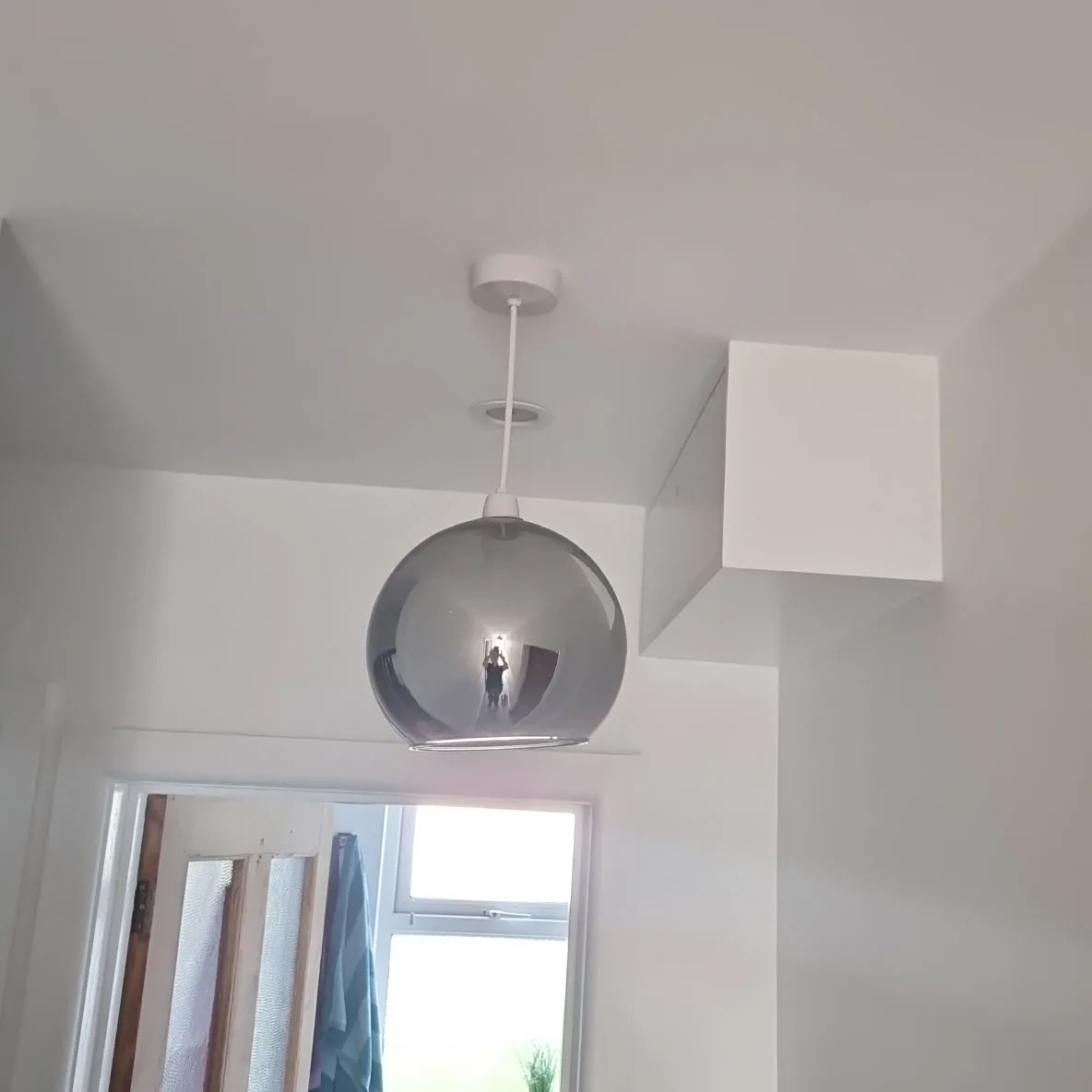
The existing hallway had a single central light, which left the ends of the corridor feeling dim and uninviting. The homeowners wanted to brighten the space whilst maintaining control simplicity, so we extended the circuit to accommodate two additional pendant positions. These new fittings would work alongside the existing central light, all controlled from the same switch points. The client had already chosen their pendant fittings, which we installed at each end of the hallway to create a more balanced spread of light throughout the corridor.
Running the new cabling meant careful routing through the wall structure. The channels had been prepared beforehand, which streamlined the installation process and meant we could focus on making clean cable runs that would sit properly once everything was plastered over. We connected into the existing lighting circuit, making sure everything was correctly terminated and that the circuit could handle the additional load without any issues. The original two-way switches remained in place, but we fitted fresh white plastic faceplates to give them a cleaner appearance that matched the updated scheme.
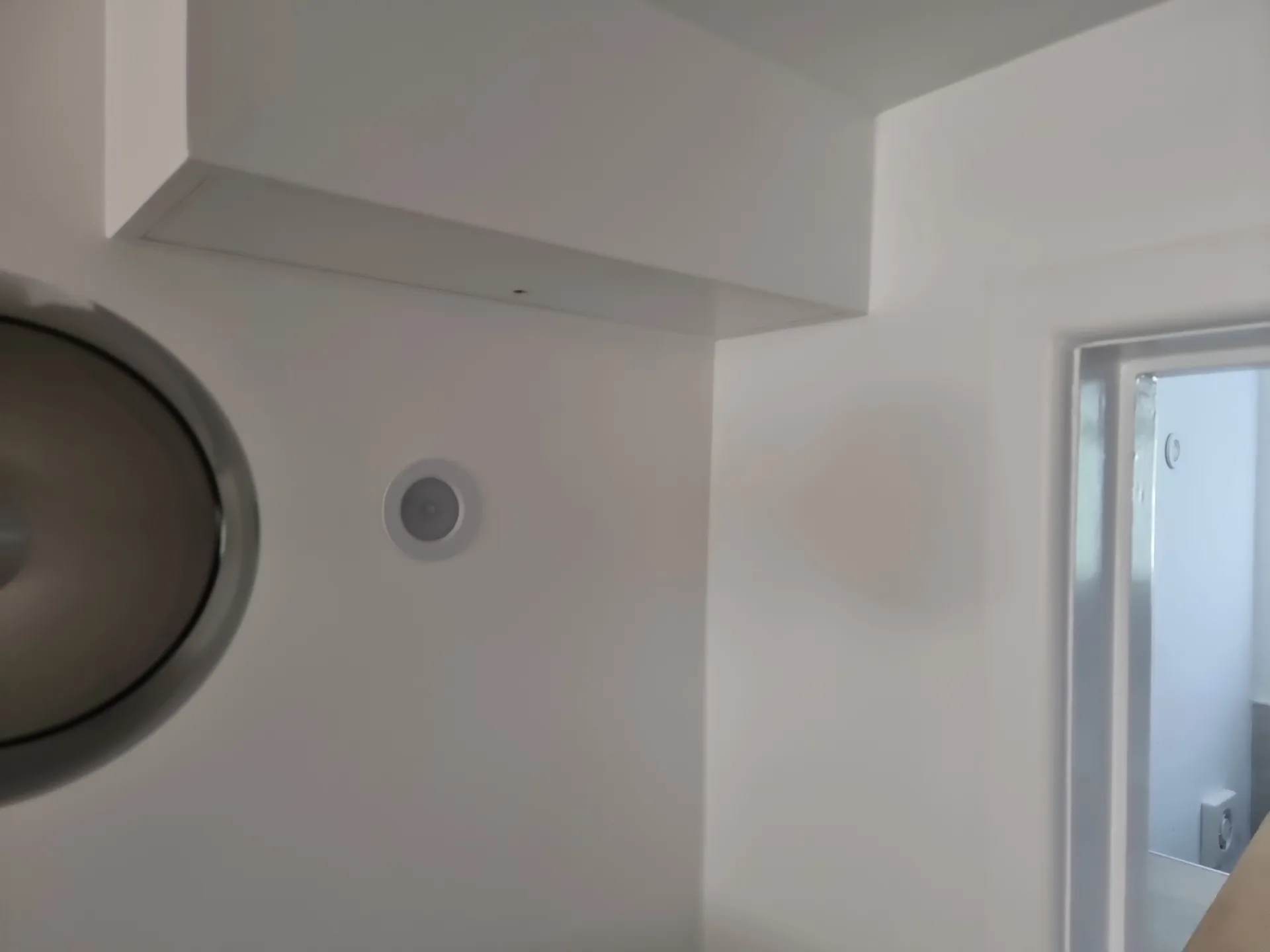
Between the two far pendant locations, we installed a PIR sensor downlight that adds a practical element to the lighting design. This fitting activates automatically when movement is detected, which proves particularly useful during night-time trips through the hallway or when arriving home with arms full of shopping. Rather than fumbling for light switches, the sensor picks up movement and provides immediate visibility. The downlight has its own dedicated isolator switch, which we positioned inside the airing cupboard where it’s accessible but out of sight. This allows the homeowners to turn off the PIR function completely if needed, whilst keeping the main hallway lights operating normally.
Alongside the lighting work, we tackled a separate but equally important aspect of home comfort – ventilation. Many properties struggle with moisture and stale air, particularly in areas with limited natural airflow. The solution here was a PIV system, which works by drawing fresh air from outside, gently filtering it, and distributing it throughout the home. Unlike extractor fans that simply remove air, a PIV unit creates positive pressure that helps push moisture and pollutants out through natural leakage points in the building fabric.
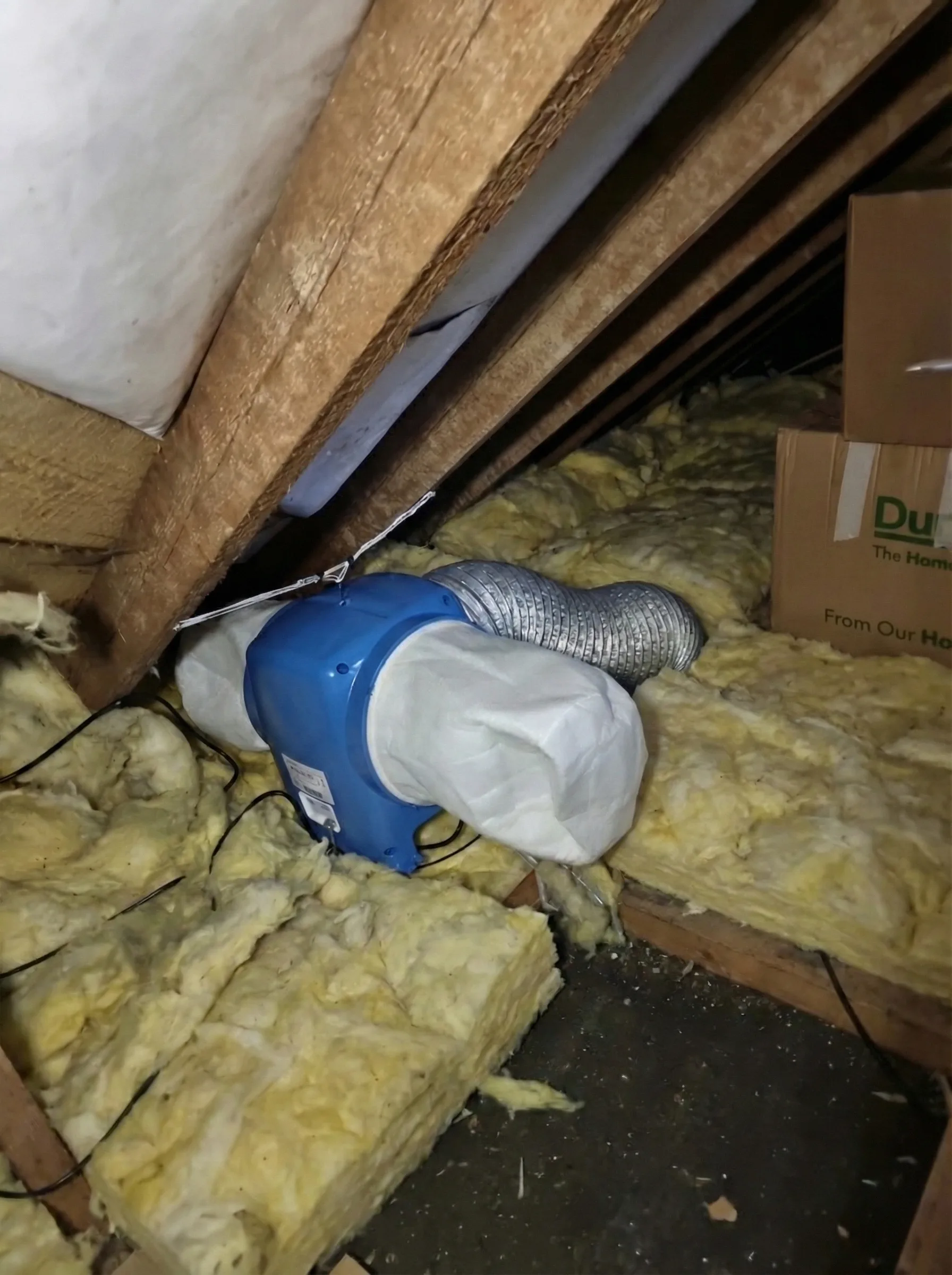
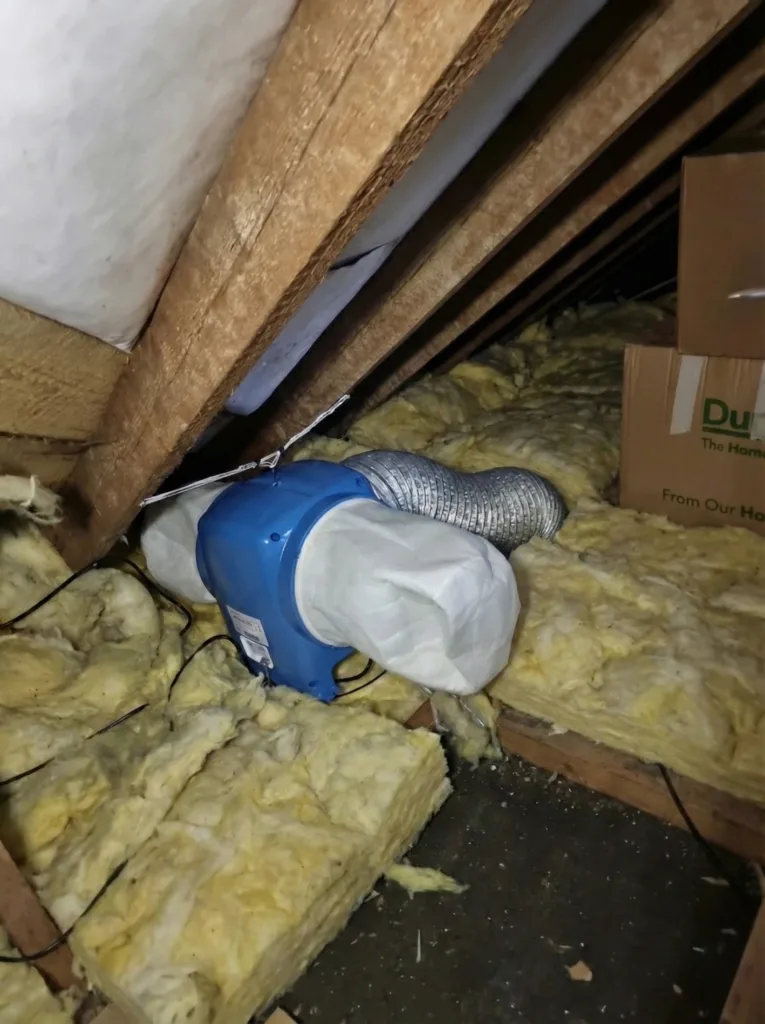
The main PIV unit sits in the loft void, where it has access to fresh external air. We positioned it carefully to avoid any obstructions and to make future maintenance straightforward. The unit includes an integrated heater rated at 400 watts, which tempers the incoming air during colder months. This stops the system from creating uncomfortable cold draughts whilst still providing the ventilation benefits. A circular diffuser grille installed in the first-floor landing ceiling distributes the air evenly, and because PIV systems work continuously at relatively low flow rates, they’re barely noticeable in operation.
Powering the PIV unit required a fused spur connection, which we took from an existing socket outlet in one of the bedrooms. Before making this connection, we verified that the socket circuit had adequate capacity to handle the additional load, particularly accounting for the 400-watt heater element. The spur provides a permanent power supply to the ventilation unit whilst remaining protected by appropriate overcurrent protection. We positioned the connection point behind where the bed normally sits, keeping the installation discreet and avoiding any visual impact in the room.
The technical aspect of this type of work involves understanding load calculations, circuit capacities, and proper isolation arrangements. Each element needs its own consideration – the lighting circuits must be correctly extended without overloading, the ventilation system requires appropriate power provision, and every new connection point needs to be accessible for future maintenance whilst remaining unobtrusive in daily life.
Installing PIR sensors requires thought about detection zones and sensitivity settings. Position them too low or angled incorrectly and they might not trigger reliably, or conversely, they might activate too frequently from passing pets or other minor movements. We set this one to respond to human traffic through the hallway whilst avoiding false triggers, and the integrated LED lamp provides good light output without generating excessive heat in what’s typically a confined ceiling void.
The PIV system needed commissioning once installed, which involves checking airflow rates, verifying heater operation, and making sure the unit cycles correctly according to its programming. These systems typically include humidity sensors that can adjust their operation based on detected moisture levels, ramping up when needed and running at lower speeds during dry conditions. This intelligent operation helps maintain indoor air quality whilst managing running costs.
Throughout both installations, we maintained awareness of the existing building structure and services. Running cables through prepared channels, securing fixings into sound material, and avoiding any conflicts with plumbing or other utilities all form part of the careful approach needed for quality electrical work. The final installation looks clean and professional because each stage was completed methodically, from initial cable routing through to final testing and commissioning.
The combination of upgraded lighting and improved ventilation makes a tangible difference to how the home functions. The hallway feels brighter and more welcoming, with light spread evenly rather than concentrated in one central point. The PIR downlight adds convenience for those frequent journeys through the corridor, whilst the PIV system works quietly in the background, continuously refreshing the indoor air and helping to prevent moisture-related issues that can plague poorly ventilated properties.
Both systems will serve the homeowners for years to come, requiring minimal intervention beyond occasional filter changes for the PIV unit and lamp replacements as needed. The electrical infrastructure is sound, properly protected, and installed to current standards, giving confidence in both performance and safety.