There are few household annoyances as disruptive as a circuit that keeps tripping. One moment everything is fine, the next you’re plunged into darkness or an appliance cuts out. While it’s tempting to just walk over to the consumer unit and flick the switch back on, a persistently tripping circuit is your electrical system’s way of telling you that something is wrong. Ignoring it isn’t just inconvenient; it can be a significant safety risk. This was precisely the situation a homeowner in St Austell found themselves in when they called us about a lighting circuit that refused to stay on. The problem required a methodical approach to diagnose the underlying cause and implement a lasting solution.
Upon arriving, the first step in any fault-finding mission is to understand the context. We spoke with the client to determine when the tripping started, how frequently it occurred, and if any recent changes had been made to the electrical system. The circuit in question powered a number of fittings, including three outdoor lights. Exterior electrical installations are often the first place to look for faults, as they are constantly exposed to the Cornish weather, from driving rain to salty sea air, which can compromise seals and connections over time. A visual inspection of the accessible parts of the circuit didn’t immediately reveal any obvious damage, so we prepared to carry out a series of electrical tests to dig deeper.
The primary tool for finding a fault of this nature is an insulation resistance tester. This piece of equipment sends a specific voltage through the electrical cables to measure the integrity of the insulation surrounding the copper conductors. In a healthy circuit, the insulation prevents the live, neutral, and earth wires from coming into contact with each other. When insulation breaks down due to damage, age, or moisture ingress, it can cause a short circuit or an earth fault, where electricity takes a path it isn’t supposed to. This sudden surge of current is what a Miniature Circuit Breaker, or MCB, is designed to detect. When it senses this dangerous condition, it trips, cutting the power to the circuit in a fraction of a second to prevent overheating, fire, or electric shock.
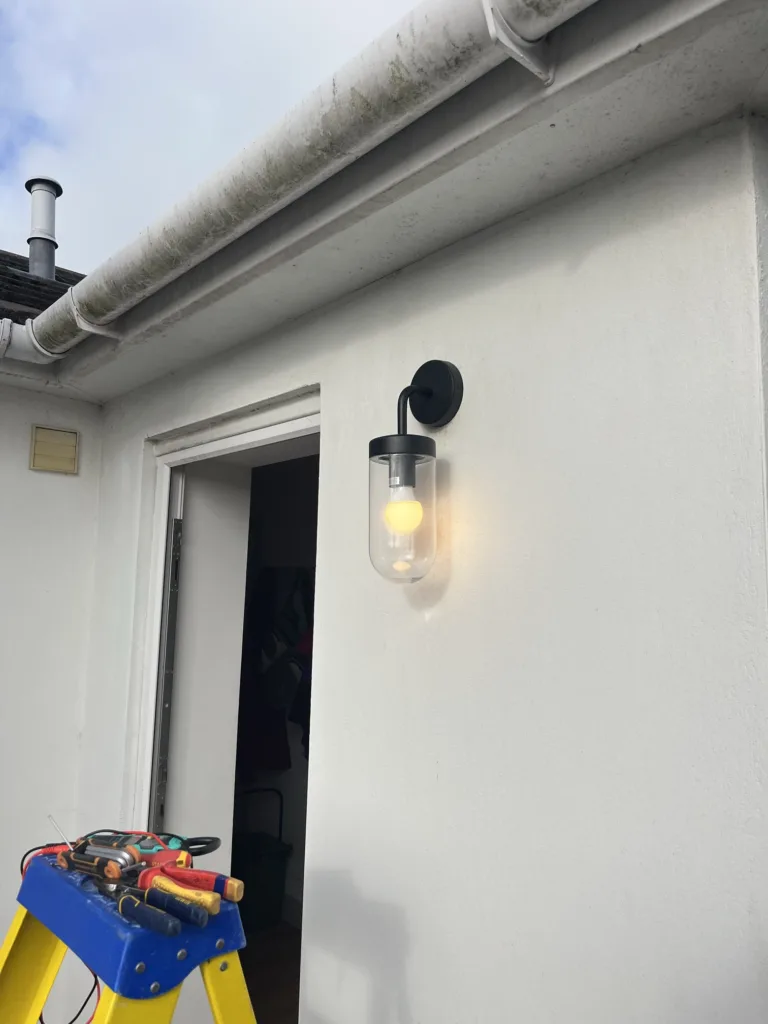
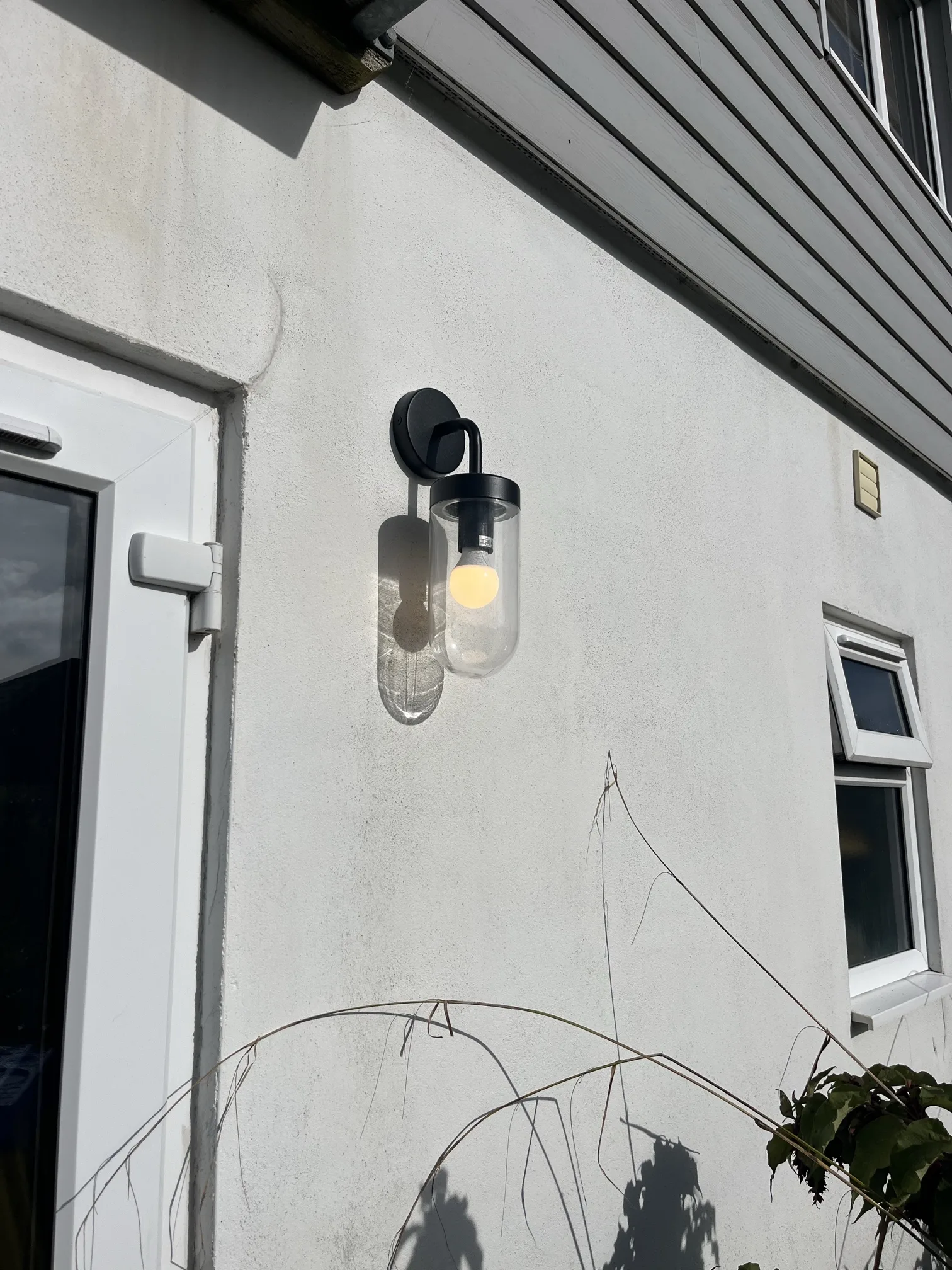
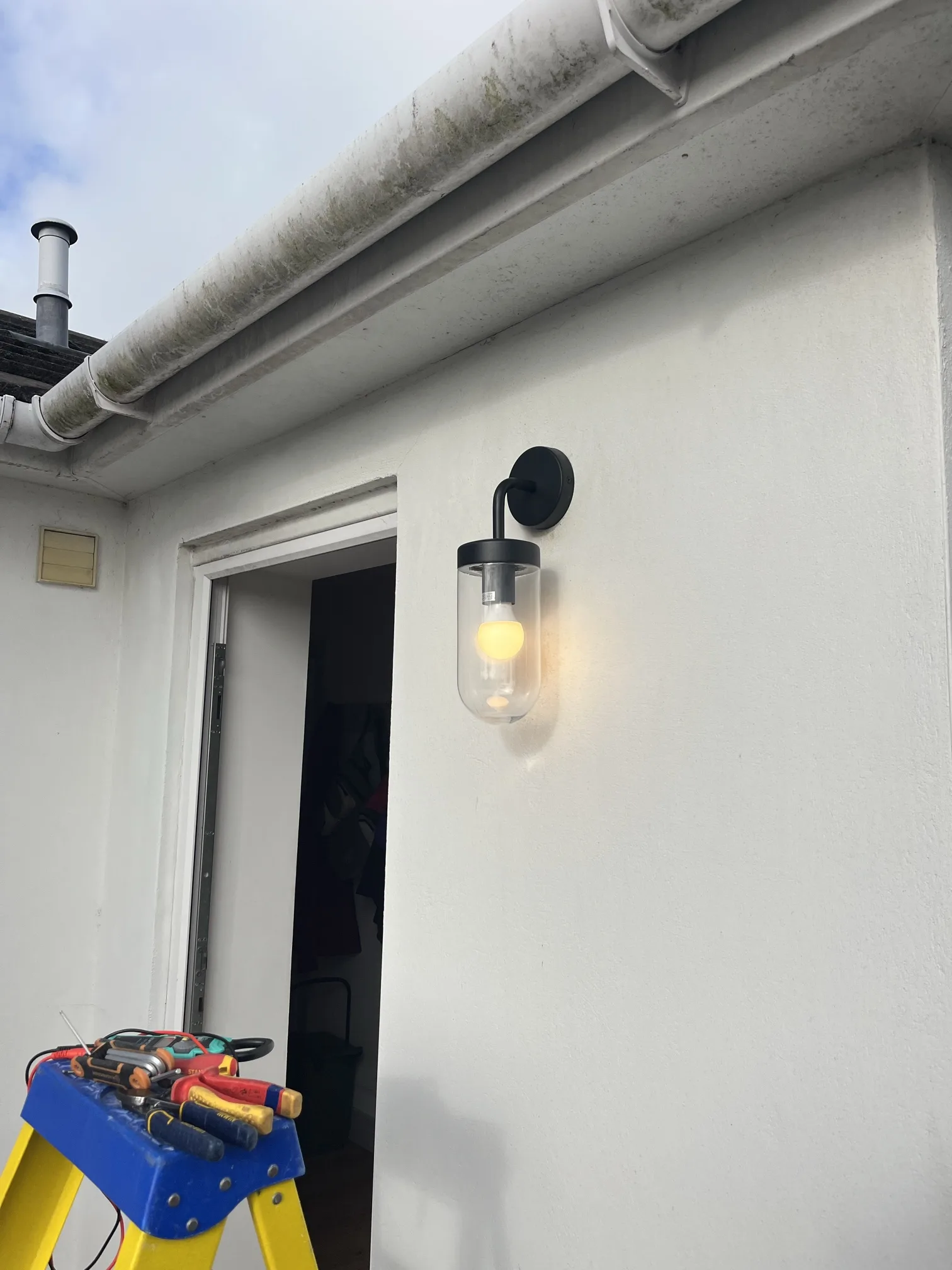
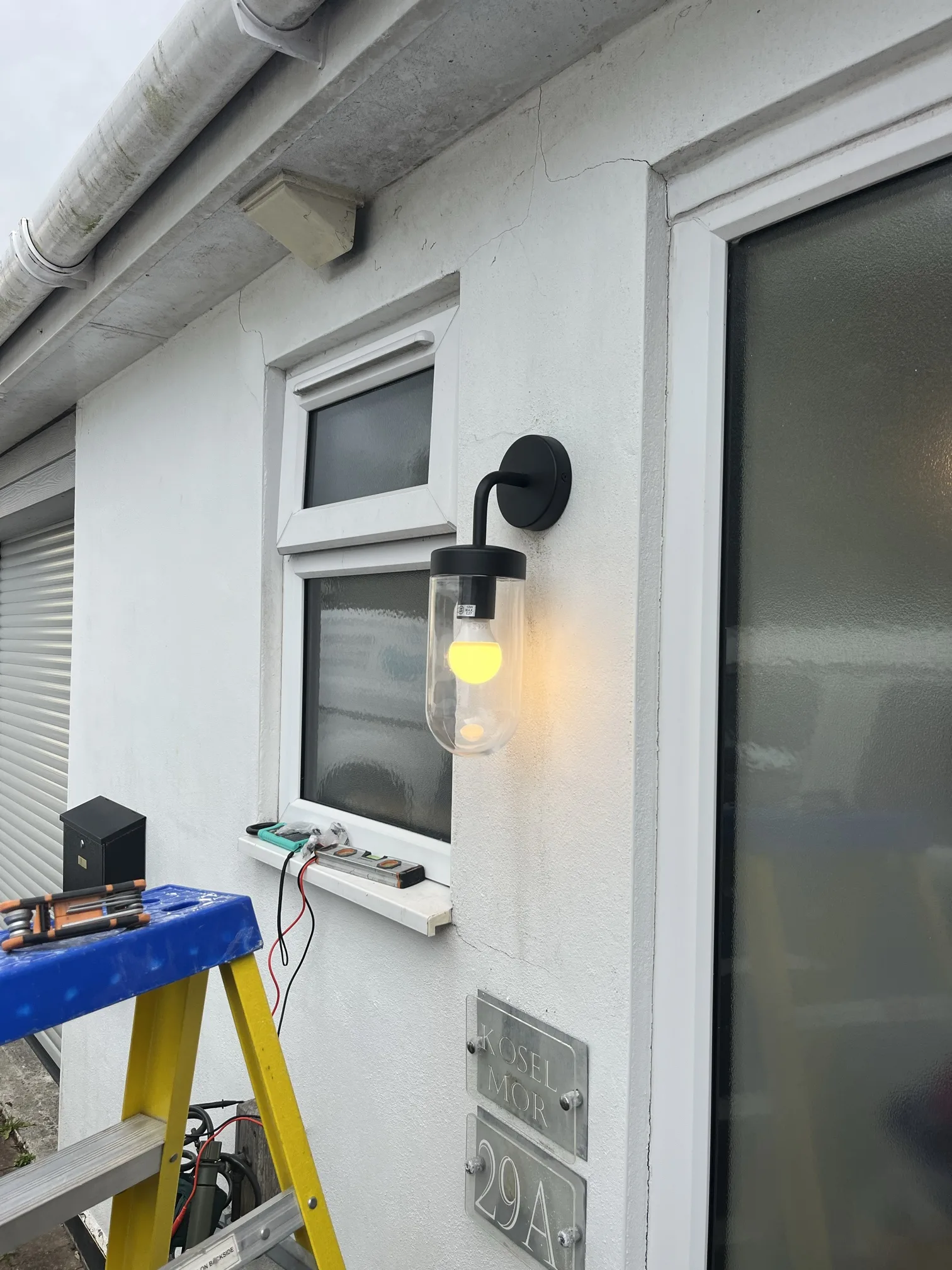
Our tests indicated an insulation resistance reading that was lower than regulations permit, confirming a fault somewhere on the circuit. By systematically isolating different parts of the circuit and re-testing, we were able to narrow the problem down to the outdoor lighting. Water had likely found its way into one of the old fittings, creating a pathway for electricity to leak to earth and causing the MCB to trip. The client had already purchased a set of smart, contemporary outdoor lights to replace the old ones, so our task was to remove the faulty units and install the new ones correctly. This involved not only fitting them securely to the wall but also making sure that every connection was properly terminated and sealed against the elements to prevent the same problem from happening again.
However, a thorough diagnostic process involves considering all possibilities. While the faulty outdoor light was the clear culprit for the low insulation reading, the reliability of the protective device itself is also a factor. MCBs are incredibly dependable, but after many years of service or numerous trips, they can sometimes become weak or overly sensitive. This means they might trip at a current level lower than their designated rating, leading to nuisance tripping even when the circuit fault has been fixed. To give the client complete peace of mind and eliminate any doubt, we decided to move the lighting circuit’s wiring from the potentially suspect MCB to a spare, new one within the same consumer unit. This small, additional step provides an extra layer of certainty that the problem is fully resolved, both at the source of the fault and at the point of protection.
With the new lights installed and the circuit connected to a different MCB, we conducted a final round of tests. The insulation resistance was now reading perfectly, and the circuit held steady when energised. The new lights not only solved the tripping issue but also gave the property’s exterior a welcome modern update. The homeowner can now enjoy their outdoor space with reliable lighting, confident that the electrical system is functioning safely and correctly.