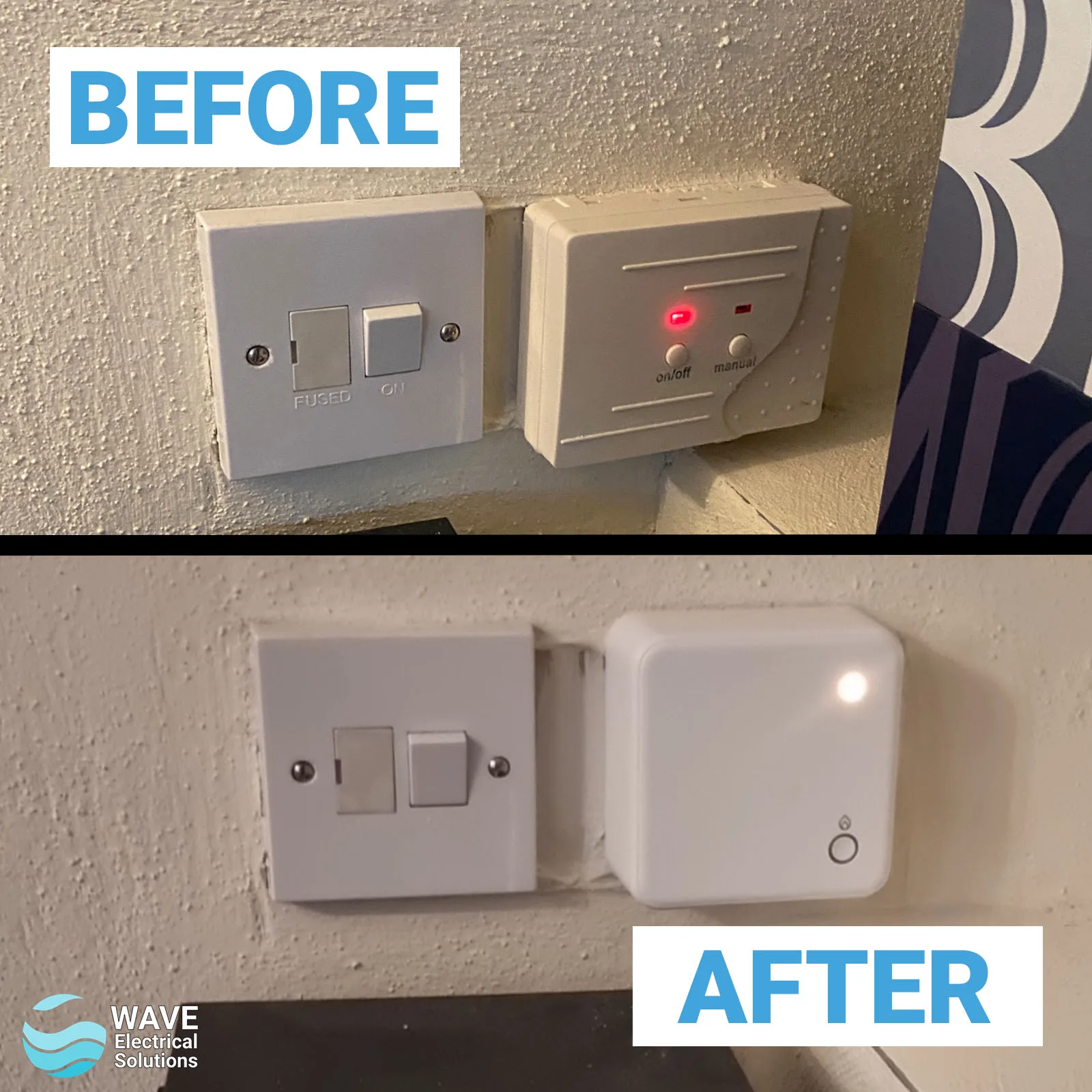
Upgrading an oil combi boiler heating system with a Hive Active Heating Control system in Roche, including smart thermostat, receiver and Wi-Fi hub installation with full network integration and commissioning.
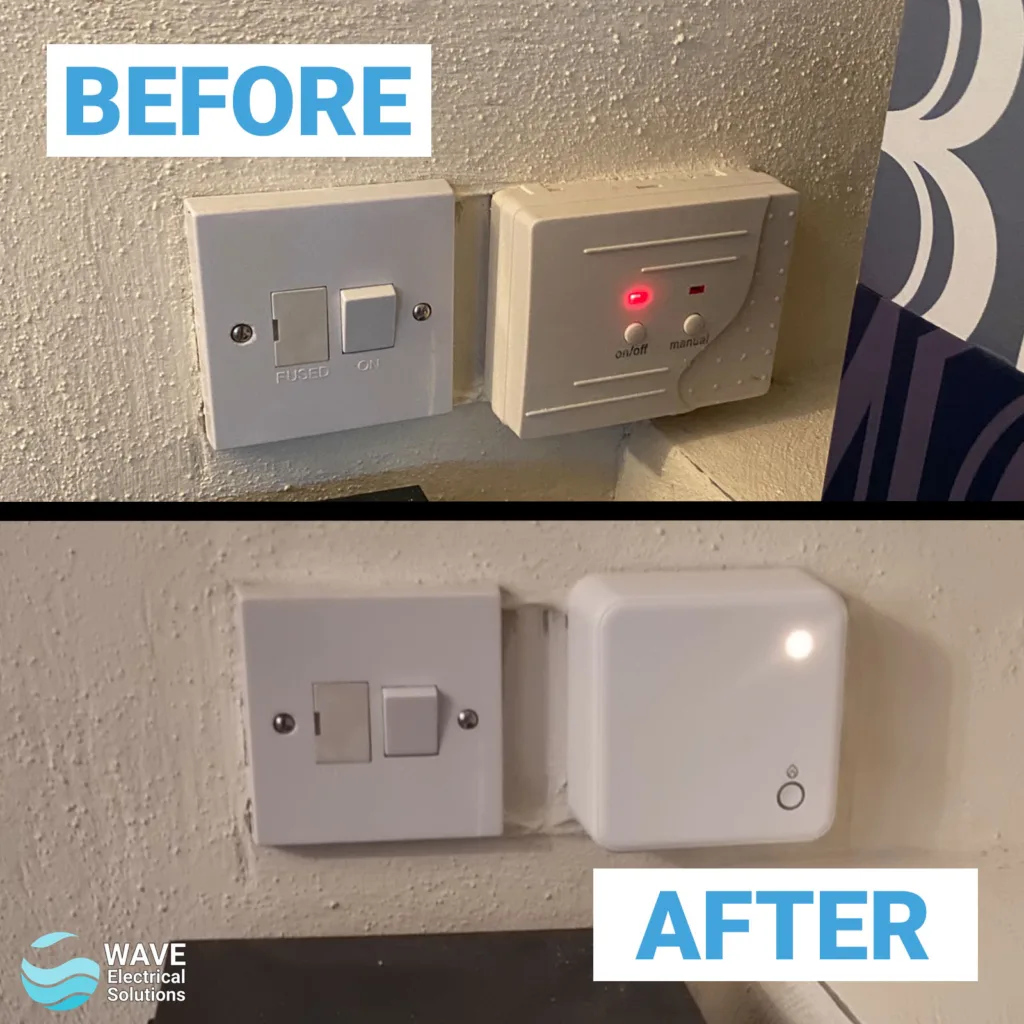
Modern heating control systems have transformed how homeowners manage their comfort and energy consumption. When a property in Roche needed an upgrade from traditional heating controls to a smart system compatible with their oil combi boiler, the installation required careful planning and precise execution to deliver reliable performance.
The existing heating controls had served their purpose but lacked the flexibility and remote access features that contemporary smart systems provide. Oil combi boilers present specific considerations when integrating smart heating controls, as the system needs to communicate properly with the boiler’s existing circuitry whilst maintaining safe operation. The Hive Active Heating Control system offered the right balance of functionality and compatibility for this particular setup.
Starting with the removal of the old heating controls, the work involved careful disconnection of the existing wiring. Each wire needed to be identified and traced back to understand the current configuration before any new components could be fitted. Oil boilers operate differently to gas systems, and the control wiring reflects these differences. Taking time during this initial phase prevented complications later in the installation.
The Hive system comprises three main components that work together to provide comprehensive heating control. The smart thermostat mounts on the wall in a location where it can accurately read room temperature without being influenced by draughts, direct sunlight or heat sources. Finding this optimal position involved assessing the property’s layout and typical usage patterns. The thermostat needed to be somewhere accessible but also representative of the general living space temperature.
The receiver unit connects directly to the boiler, acting as the interface between the smart controls and the heating system itself. This component required installation near the boiler with proper wiring to handle the switching loads. Oil combi boilers typically have different terminal arrangements compared to gas equivalents, so the wiring needed to follow the manufacturer’s specifications exactly. Getting this connection right means the system responds correctly when heat is called for, firing the boiler at the appropriate times.
Wi-Fi connectivity forms a fundamental part of the Hive system’s functionality, allowing remote control through smartphone apps and integration with other smart home devices. The Wi-Fi hub needed positioning where it could maintain a strong connection to both the home’s broadband router and communicate reliably with the thermostat and receiver. Walls, interference from other devices and distance all affect signal strength, so testing the connection during installation confirmed everything would work properly after completion.
Wiring between components followed specific routing to maintain a neat installation whilst avoiding potential sources of interference. Cable runs were planned to minimise visibility where possible and secured properly to prevent any movement over time. Every connection point was double-checked for tightness and correct termination, as loose connections cause unreliable operation and potential safety issues down the line.
Once the physical installation was complete, the commissioning process began. This involved powering up each component in sequence and verifying proper communication between them. The thermostat needed pairing with the receiver, which requires following a specific procedure to establish the wireless link. When this connection works correctly, temperature readings from the thermostat translate into heating demands that the receiver acts upon.
Connecting the system to the home’s Wi-Fi network involved accessing the router settings and ensuring the Hive hub could join the network securely. Modern routers have various security protocols, and the setup process needed to accommodate the specific configuration in use at the property. Once connected, the system became accessible through the Hive app, opening up the full range of control features.
Testing the complete system meant running through different scenarios to confirm everything functioned as intended. Setting the thermostat to call for heat should trigger the receiver to fire the boiler, with warm water circulating through the heating system shortly after. The response time, the accuracy of temperature control and the reliability of the wireless connections all came under scrutiny during this phase. Any issues identified here got addressed immediately rather than leaving potential problems for the homeowner to discover later.
The smart features of the Hive system extend beyond basic temperature control. Scheduling allows different temperatures at different times of day, accommodating varying routines throughout the week. Boost functions provide temporary heat increases without changing the main schedule. Away modes help prevent energy waste when the property is unoccupied. Explaining these features to the homeowner meant they could make full use of their new system from day one.
Oil heating systems benefit particularly from smart controls because they can be more expensive to run than gas equivalents. Having precise control over when and how the heating operates helps manage running costs whilst maintaining comfort. The ability to adjust settings remotely means coming home to a warm house without leaving the heating on all day, something especially valuable for properties that aren’t occupied continuously.
Integration with smart home ecosystems opens additional possibilities. Voice control through compatible devices, automation routines that link heating with other smart functions, and energy monitoring features all become available once the system is connected and configured. These capabilities extend the value of the installation beyond just replacing old controls with new ones.
The Roche location presented typical rural connectivity challenges that needed consideration during the installation. Signal strength can vary in more remote areas, affecting both Wi-Fi performance and mobile app responsiveness. Testing confirmed adequate connectivity, but understanding these factors helped set realistic expectations about how the system would perform in daily use.
Oil combi boiler compatibility required verification before installation commenced. Not all smart heating controls work with every boiler type, and oil systems have specific requirements that differ from gas or electric heating. The Hive system’s compatibility with the existing boiler model meant the installation could proceed without needing additional interface modules or workarounds that might complicate the setup.
Safety considerations remained paramount throughout the work. Heating controls operate with mains voltage, and the boiler connections involve potentially dangerous electrical circuits. Following proper isolation procedures, testing before touching any wiring, and verifying all connections before restoring power protected both the installer and the system itself. The installation adhered to current wiring regulations, maintaining the property’s electrical safety standards.
After completing the commissioning and testing phases, the system documentation was provided to the homeowner along with guidance on operation and maintenance. Understanding how to use the app, how to override schedules when needed, and what to do if any issues arise helps homeowners get the most from their investment. The documentation also covered warranty information and support contacts for any future questions.
The transformation from traditional heating controls to a smart system represents a significant upgrade in functionality and convenience. What was once a simple on-off switch or basic timer becomes a sophisticated control system that learns preferences, responds to changing conditions and provides detailed information about heating usage. For the homeowner in Roche, this installation brought their oil heating system into the modern era whilst maintaining the reliability and warmth they depend on.