Swimming pools are a source of joy and relaxation for homeowners in Cornwall, but behind every refreshing dip lies an essential, often overlooked aspect: electrical safety. With electricity and water being a potentially lethal combination, ensuring that your pool’s electrical system is installed and maintained properly is non-negotiable. Inadequate or faulty electrical work can lead to severe hazards, including electric shocks and fires. This guide aims to walk you through the key steps to ensure your pool’s electrical system is safe, compliant with local regulations, and built to last. Whether you’re planning a new pool or upgrading an existing one, following these guidelines will help you enjoy your pool worry-free.
Key Electrical Safety Measures for Swimming Pools
Grounding Requirements
Grounding is one of the most important safety elements in any swimming pool’s electrical system. In simple terms, grounding directs any stray electrical current safely into the earth, preventing dangerous electrical shocks. Every metal component of the pool—including lighting, ladders, heaters, and the pump—must be properly grounded.
In Cornwall, like the rest of the UK, all pool components are required to comply with BS 7671, the British Standard for wiring regulations. This means that grounding must be done correctly to protect both people and pool equipment. An improperly grounded pool can result in serious injury or even death, making it vital to consult a certified electrician for such installations.
GFCI (Ground Fault Circuit Interrupter) Protection
Another key component for electrical safety in pools is the installation of Ground Fault Circuit Interrupters (GFCIs). GFCIs are designed to shut off the electrical circuit if they detect an imbalance between incoming and outgoing currents, which could indicate a leakage current through a person in the pool. In the UK, installing GFCI protection is mandatory for pools, especially around wet environments where the risk of electric shock is heightened.
Cornwall homeowners should ensure GFCI outlets are installed around the pool area, and that pool pumps, lights, and other components are connected to GFCI-protected circuits. Failure to do so can result in non-compliance with building regulations and increase the risk of injury.
For professional inspections and GFCI installations, see: Electrical Safety Inspections in Cornwall.
Understanding Electrical Components in Swimming Pools
Electrical Panels and Circuit Breakers
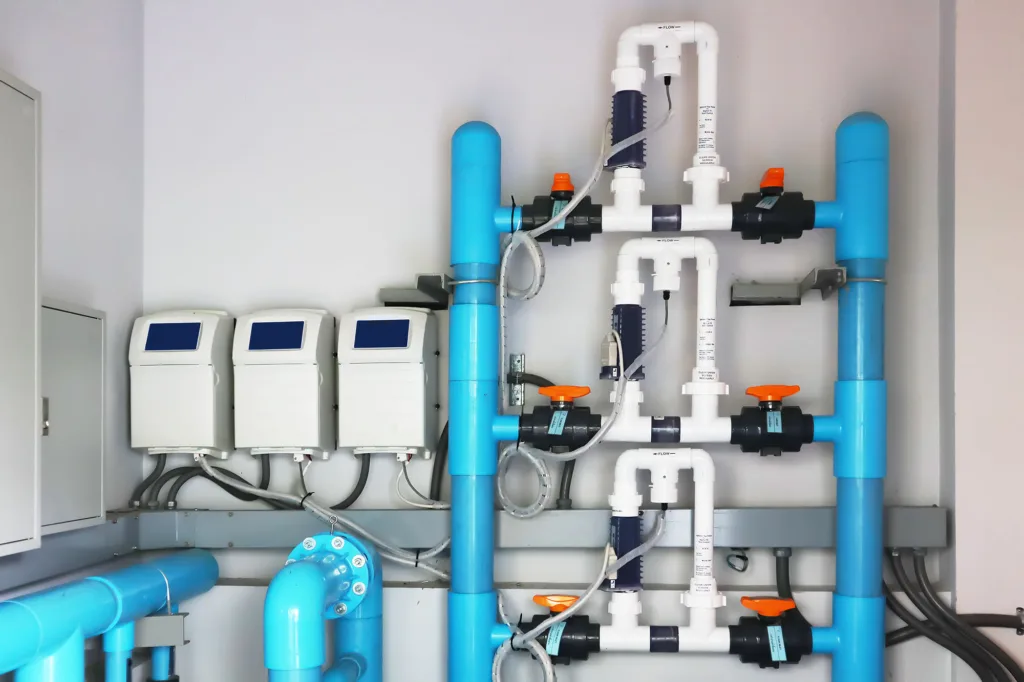
The electrical panel is the control centre for your swimming pool’s electrical system. It houses circuit breakers that protect the pool’s components from electrical overloads, which can cause fire hazards. Circuit breakers automatically shut off the power supply when they detect a fault, preventing damage to both the pool and its users.
When installing a pool, ensure the electrical panel can handle the additional load. Upgrading the main panel or adding a sub-panel dedicated to pool equipment might be necessary to distribute power safely and efficiently. Additionally, all pool equipment should have individual breakers for added safety and control.
Pool Lighting and Safety
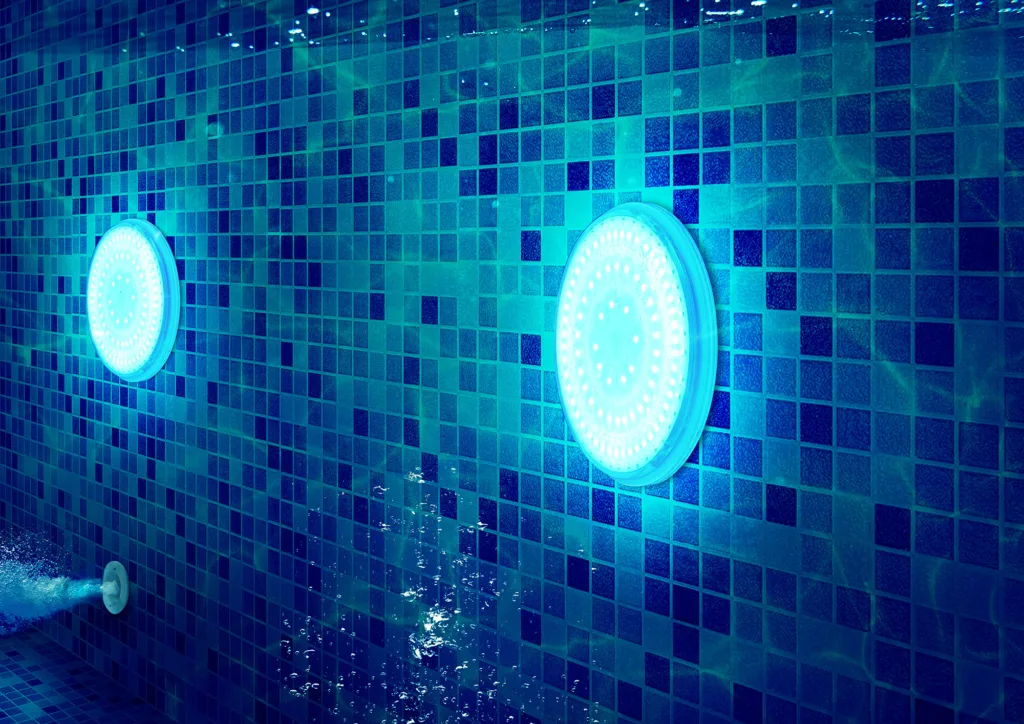
Pool lighting adds to the ambiance and functionality of your pool, but it must be installed with utmost care. Submersible lights are commonly used in pools, and these should be low-voltage systems to minimise the risk of electrical shock. For enhanced safety, all underwater lighting fixtures must be grounded, and the circuits should be protected by GFCIs.
It’s important to ensure that lighting installation complies with local regulations, which require the use of RCD (Residual Current Device) protection for all outdoor installations, including pools. This adds an additional layer of safety, disconnecting the power in case of any irregularities in the electrical flow.
Essential Maintenance Practices for Pool Electrical Systems
Regular Inspection and Testing
Just as you maintain the water quality in your pool, it’s vital to maintain its electrical components. Regular inspections by a certified electrician can identify potential hazards before they become dangerous. In Cornwall, electrical inspections for pools are recommended at least every five years. If you notice any signs of wear, such as flickering lights, frequent tripping of breakers, or strange odours, it’s important to call an electrician immediately.
A thorough inspection involves checking the grounding, testing GFCIs, and ensuring that all circuit breakers are functioning correctly. Homeowners should avoid DIY repairs, as swimming pool electrical systems are highly complex and require expert handling.
For more details on safety inspections and compliance, refer to: Electrical Safety Inspections in Cornwall.
Winterising Pool Electrical Systems
Cornwall’s weather, particularly during winter, can be harsh on electrical systems. Winterising your pool involves shutting down the electrical components to prevent damage from freezing temperatures. This includes disconnecting and storing portable equipment like pumps and heaters, and ensuring that the electrical supply is safely turned off.
Before the start of the pool season, be sure to have all components checked and reconnected by a certified electrician to ensure they’re safe and ready to operate.
Compliance with Regulations and Standards
Cornwall Local Regulations
Homeowners in Cornwall need to ensure that their pool electrical installations comply with local regulations. The main regulation governing pool installations is BS 7671, which outlines the required standards for electrical installations in the UK. Additionally, Part P of the Building Regulations applies to any electrical work around swimming pools, requiring that it be carried out by a qualified professional.
Hiring a certified electrician is not only a regulatory requirement but also ensures that the installation is safe and durable. Certified professionals understand the intricacies of both local and national regulations, which helps avoid any legal or safety issues down the line.
For expert assistance, visit: Contact Certified Electricians in Cornwall.
The Role of Certified Electricians
It’s crucial to entrust your pool’s electrical installation to certified electricians. They will ensure that all systems are installed according to safety codes and that proper procedures are followed. Attempting to carry out electrical work yourself can result in poor workmanship, non-compliance with regulations, and serious safety hazards.
A certified electrician will provide peace of mind, knowing that your pool is both safe and compliant with the latest electrical standards. This includes ensuring all wiring is correctly installed, and GFCIs, circuit breakers, and grounding systems are functional.
FAQs
What is GFCI protection and why is it necessary for pools?
GFCI (Ground Fault Circuit Interrupter) protection prevents electrical shock by shutting off the power if an imbalance in the current is detected. It’s essential for pool areas, where water and electricity can pose serious hazards.
How often should I have my pool’s electrical system inspected?
It’s recommended to have an inspection every five years. However, if you notice any issues, such as frequent tripping of circuit breakers, you should schedule an inspection sooner.
Can I install the pool’s electrical system myself?
No, pool electrical systems should always be installed by certified electricians to ensure compliance with regulations and safety standards. DIY installations can lead to dangerous mistakes.
Conclusion
Ensuring the safety of your swimming pool’s electrical system is not just about following regulations—it’s about protecting your family and guests. Grounding, GFCI protection, regular inspections, and professional installation are all crucial components of a safe pool setup. Don’t take risks when it comes to electricity. Work with certified professionals who can ensure your pool complies with Cornwall’s local safety regulations, and always maintain your system regularly.