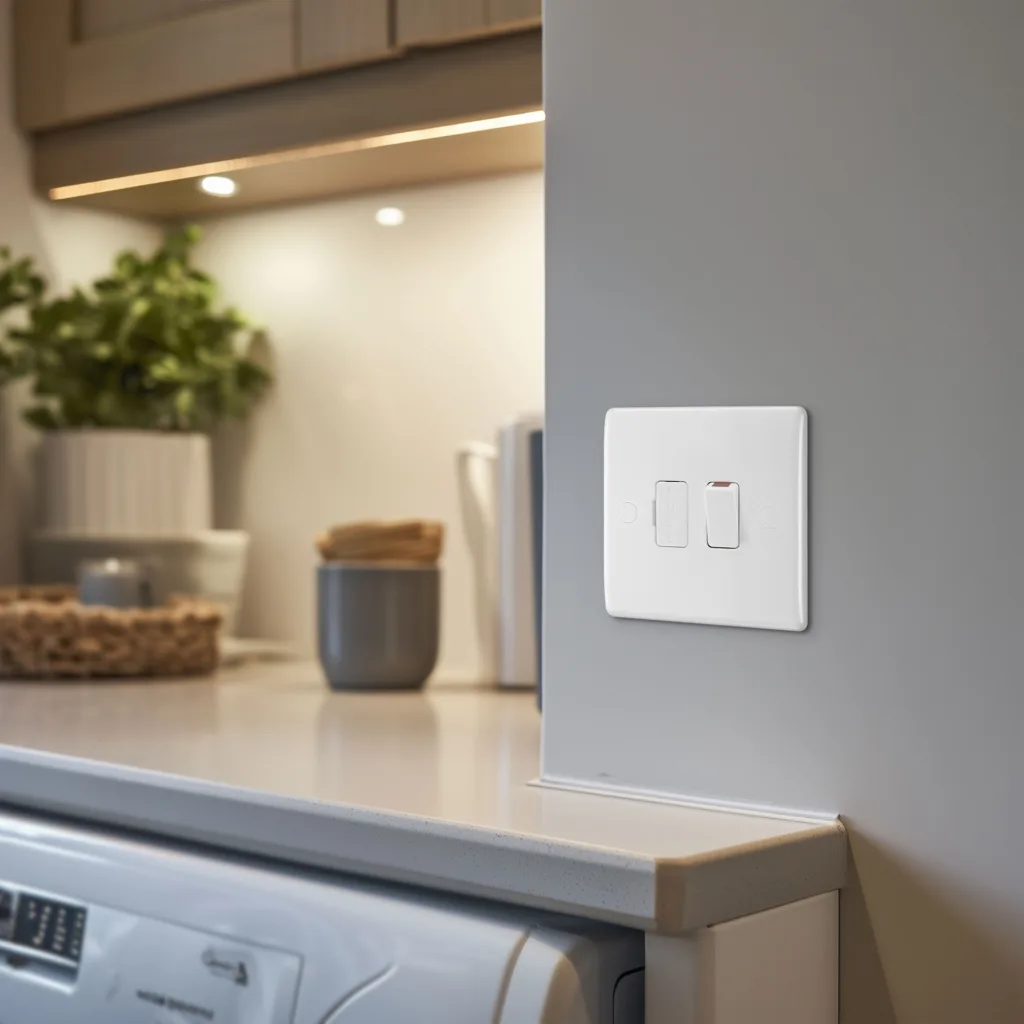
Electrical safety in bathrooms isn’t just about keeping water away from plugs. Strict regulations define what can and cannot be installed, ensuring that all electrical components are safe from moisture exposure. Many homeowners and electricians alike question whether a fused spur can be used in a bathroom, given its role in protecting fixed appliances like towel rails, underfloor heating, and LED mirrors.
Bathrooms are classed as high-risk areas, meaning electrical installations must comply with BS 7671 Wiring Regulations and Part P of the Building Regulations. Installing a fused spur isn’t as simple as choosing a convenient spot on the wall. Placement must align with zoning requirements, ingress protection ratings, and RCD safety measures.
This guide breaks down where a fused spur can be installed in a bathroom, what safety measures apply, and when to call in a professional. By following these regulations, homeowners can ensure compliance while reducing the risk of electrical hazards.
Fused Spurs and Their Role in Bathroom Installations
What Is a Fused Spur?
A fused spur, also known as a fused connection unit (FCU), is a device that allows a fixed appliance to be connected directly to the mains supply. Unlike a standard plug socket, a fused spur contains a replaceable fuse that provides overload protection, preventing damage to the appliance and reducing fire risks. This is particularly useful for high-power bathroom fixtures such as heated towel rails, LED mirrors, and underfloor heating.
Fused spurs can be switched (containing an on/off function) or unswitched (permanently on unless the fuse is removed). Both types serve the same purpose—protecting the circuit from excessive current. However, their placement in a bathroom must comply with strict regulations to ensure safety.
Why Are Fused Spurs Used in Bathrooms?
Bathrooms have a high concentration of moisture, making electrical safety critical. A fused spur is often necessary because:
- It provides a dedicated power source – Many bathroom appliances are fixed and cannot use a standard plug socket.
- It enhances safety – The fuse prevents overheating and electrical faults, which is essential in wet environments.
- It ensures compliance – Regulations require fused spurs for certain fixed installations, especially when direct connection to the mains is needed.
Given these advantages, fused spurs are a common choice for bathroom electrical installations—but they must be positioned correctly to comply with UK regulations.
UK Electrical Regulations for Fused Spurs in Bathrooms
Bathroom Electrical Zones and Safety Requirements
Bathroom electrical installations in the UK are governed by BS 7671 Wiring Regulations, which define specific safety zones based on proximity to water sources. These zones dictate where electrical components, including fused spurs, can be installed:
- Zone 0: Inside the bath or shower tray. Only low-voltage (SELV) equipment rated at IPX7 is permitted.
- Zone 1: Above Zone 0, extending up to 2.25 metres from the floor. Electrical equipment must be at least IPX4-rated and, where required, operate on SELV.
- Zone 2: Extends 0.6 metres horizontally beyond Zone 1. Similar IPX4 requirements apply.
- Outside Zones: Areas beyond Zone 2 where electrical equipment must still be suitable for the environment but are not subject to strict zone regulations.
More details on these regulations can be found in the IET Wiring Regulations, the authoritative standard for electrical safety.
Can a Fused Spur Be Installed in Any Bathroom Zone?
A fused spur cannot be installed in Zone 0 or Zone 1 due to the risk of direct water exposure. In Zone 2, a fused spur is permitted if it has a minimum IPX4 rating and is properly protected. However, the safest and most common placement is in the outside zones, ensuring that the unit remains dry and compliant with regulations.
Additionally, any circuit supplying a bathroom appliance must have RCD protection not exceeding 30mA to enhance electrical safety. This is a requirement under Part P of the Building Regulations, which governs domestic electrical work in England and Wales.
Building Regulations & Compliance
When installing a fused spur in a bathroom, compliance with Part P of the Building Regulations is essential. This law ensures that all electrical work in a bathroom is completed safely and meets industry standards.
If a fused spur installation involves new wiring or modifications to an existing circuit, it may be classified as notifiable work, meaning it must be inspected by a qualified electrician or reported to local building control. For a step-by-step guide on installing electrical components safely, check out this double socket installation guide.

Best Practices for Installing a Fused Spur in a Bathroom
Choosing the Right Location
For compliance and safety, consider these guidelines when selecting a location for a fused spur:
- Place it outside the bathroom zones – The best position is at least 0.6 metres away from water sources to avoid direct exposure.
- Ensure accessibility – The fused spur should be easy to reach for maintenance and fuse replacement.
- Check the IP rating – If installing in Zone 2, the unit must have IPX4 protection to prevent water ingress.
Selecting the Correct Fuse Rating
The fuse rating depends on the appliance being powered. Common ratings include:
- 3A fuse – Suitable for LED mirrors and other low-power devices.
- 5A fuse – Used for small towel rails.
- 13A fuse – Required for high-powered underfloor heating or larger towel rails.
Using the correct fuse ensures that the appliance is adequately protected without causing nuisance tripping.
Should You Install a Fused Spur Yourself?
While DIY electrical work is possible, bathroom installations come with strict legal and safety considerations. Hiring a qualified electrician is the safest option, as they will ensure the installation meets BS 7671 and Part P regulations.
For professional installation services, explore our domestic electrical services to ensure your bathroom wiring is compliant and secure.
Common Questions About Fused Spurs in Bathrooms
Can You Replace an Existing Socket with a Fused Spur in a Bathroom?
No. Standard sockets cannot be installed in bathrooms unless they are at least 3 metres away from a bath or shower. However, a fused spur can be installed outside the bathroom zones, making it a safer alternative for powering fixed appliances.
Do LED Mirrors Require a Fused Spur?
Yes, most LED mirrors should be wired through a fused spur rather than a standard socket. This ensures the mirror has a dedicated power source and is protected from electrical faults. Some models may also allow direct connection to a lighting circuit, but BS 7671 regulations still apply. If unsure, consult a professional. For expert guidance, contact us.
Are There Alternatives to a Fused Spur for Bathroom Appliances?
Yes. Some appliances can be connected to the lighting circuit if they have a low power rating. However, for safety and compliance reasons, a fused spur is usually the recommended option for heated towel rails, LED mirrors, and underfloor heating systems.
Conclusion
Fused spurs are a safe and compliant solution for powering bathroom appliances, but their installation must follow BS 7671 Wiring Regulations and Part P of the Building Regulations. While placement in Zones 0 and 1 is strictly prohibited, they can be installed in Zone 2 with an IPX4 rating or in outside zones for optimal safety.
When working with bathroom electrics, RCD protection and correct fuse ratings are essential. If you’re considering adding a fused spur in your bathroom, it’s always best to consult a professional to ensure compliance.
For expert installation and advice, visit Wave Electrical Solutions.