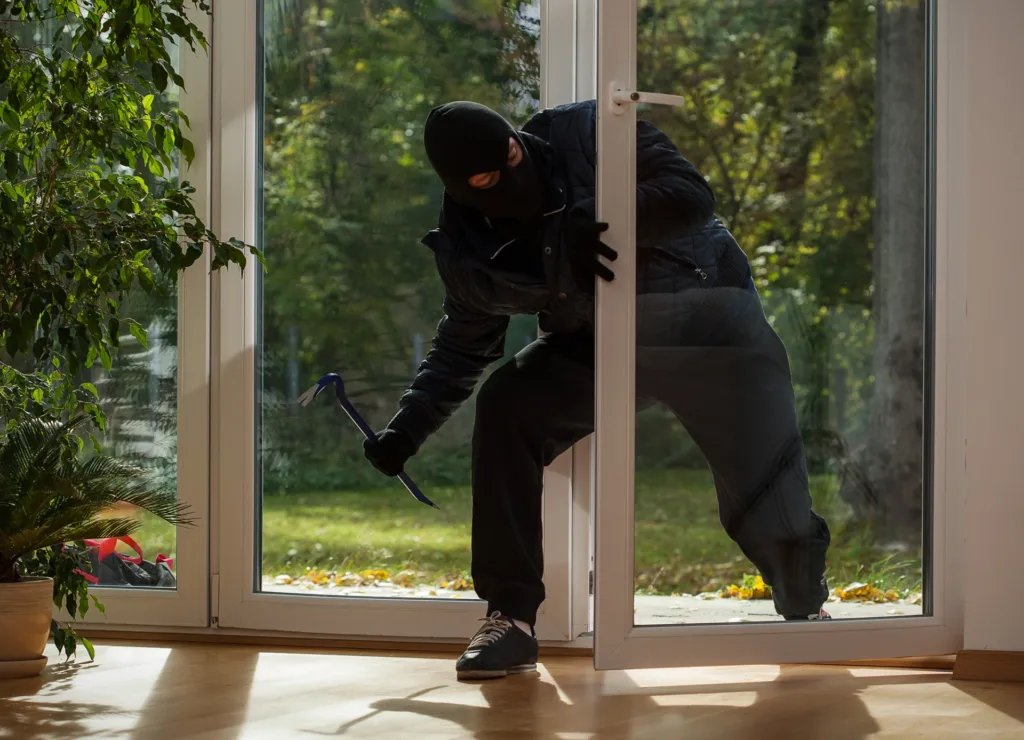
Understanding how vulnerable a Ring doorbell might be to interference or tampering has become an important question for homeowners who rely on smart security. The appeal of these devices is clear: they offer live video feeds, instant motion alerts, and two-way communication. But no system is invincible. As electricians installing and supporting Ring systems throughout Cornwall, we’ve seen how technical knowledge, poor positioning, or network issues can compromise even the smartest kit. This post sets out what burglars can — and can’t — do to a Ring doorbell, and how to ensure yours is properly protected.
We’ve covered legal considerations in a previous post about whether Ring doorbells count as CCTV, but here we focus strictly on tampering risks and countermeasures.
How Ring Doorbells Can Be Disabled
Physical Tampering and Theft
While most Ring doorbells are fixed securely to brick or UPVC, they can still be forcibly removed. Some burglars use basic tools to unscrew or rip the unit off its mounting plate, especially in the case of battery-operated models. The newer generations include a security screw, but this only deters casual interference.
If a device is unplugged or taken offline, live video stops — but only if the upload to the cloud hasn’t already occurred. In many instances, the crucial footage is captured and stored before the device goes silent. This is where response time and internet speed become vital.
Wi-Fi and Signal Disruption
The biggest technical vulnerability comes from the reliance on home Wi-Fi. If the signal is weak, intermittent, or unsecured, it can be jammed or overwhelmed. While signal jamming is illegal in the UK under the Wireless Telegraphy Act 2006, it’s not impossible — and that’s part of the concern.
Even without deliberate jamming, poor network coverage around the front door can leave the system laggy or unreliable. Notifications can be delayed, video may be unclear, and crucial motion events might not be recorded at all.
Software and Firmware Vulnerabilities
Ring, like most smart tech brands, has previously issued patches to address known bugs and backdoors. Past issues have included poor password handling and flaws in video encryption. These have since been addressed, but systems left unupdated are still at risk.
Regular firmware updates and strong account credentials (more on that below) are essential to closing these gaps. As highlighted by the UK National Cyber Security Centre, software vulnerabilities are one of the most common paths to a compromised smart home.
Built-in Security Features
Motion Detection and Real-Time Alerts
Ring doorbells are triggered by motion, not just someone pressing the bell. This means if a person approaches with the intention to tamper, the system should activate and send an alert. Whether that alert is acted on quickly enough depends on internet speed, notification settings, and user responsiveness.
Some models include adjustable motion zones and sensitivity, but misconfigured systems may overlook certain types of movement — such as someone approaching sideways or from an angle.
Cloud Video Storage and Instant Upload
One of the key defences against tampering is the cloud. As long as the device is connected when motion occurs, footage is automatically uploaded to Ring’s servers. Even if the doorbell is destroyed seconds later, the evidence remains.
This is particularly important when investigating attempted or successful break-ins. Video clips stored in the cloud can be shared with police or neighbours, and may help identify patterns of targeting.
Tamper Alerts and Notifications
In some cases, Ring will send an alert if the device is removed or goes offline. This isn’t guaranteed to happen instantly, and it depends on the model, settings, and the nature of the disconnection. A full power cut or Wi-Fi failure may trigger an alert, but temporary disruption may not.
In these scenarios, homeowners might not realise there’s a problem until reviewing footage later — or when the device fails to respond.
Preventative Measures That Work
Network Security and Two-Factor Authentication
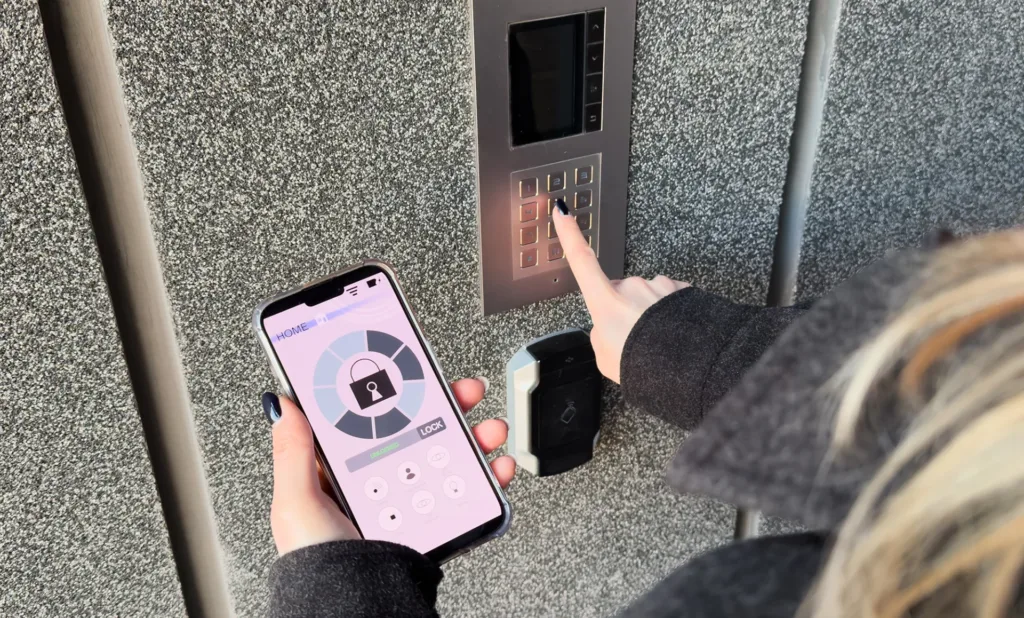
Your Wi-Fi network is the gatekeeper for smart security. We recommend using a separate SSID for smart devices, a strong password, and WPA3 encryption where possible. A weak router setup leaves every smart device — not just Ring — vulnerable to interference.
Ring accounts should always use two-factor authentication. This means even if someone guesses your password, they can’t access the video feed or change settings without the second layer of verification.
Positioning and Lighting
We regularly advise clients during installations to avoid obvious or easily reached mounting points. Higher placement, protective covers, and obscured wiring all make tampering more difficult.
Motion-triggered lighting also plays a huge role. Bright lighting on approach routes doesn’t just help the camera — it puts off most opportunistic burglars. The combination of smart monitoring and visible deterrents is significantly more effective than either alone.
Backups and System Integration
If your Ring device is hardwired, make sure it’s on a backed-up circuit, especially if paired with an electric gate or alarm. For battery-powered models, check charge levels weekly — especially during cold weather, when battery life drops.
Smart doorbells become even more powerful when integrated with full security systems. Connecting Ring to smart alarms, indoor cameras, or automated lights creates a layered defence that’s far harder to bypass.
We recently helped a homeowner in Cornwall set up exactly this kind of system, as seen in Melanie’s Project – Ring CCTV Doorbell Installation & Setup.
FAQs
Can burglars really block or jam the Ring signal?
In theory, yes — with signal jammers or interference tools, though these are illegal in the UK. More common is exploiting weak Wi-Fi that causes regular dropouts.
Does a stolen Ring doorbell still record footage?
If motion is detected and cloud upload completes before the device is removed, the footage is saved. Real-time cloud storage is a key benefit over cheaper, local-only devices.
Will my Ring doorbell work during a power cut?
Only if it’s a battery-powered model or your wired model is connected to a backup system. Without power or Wi-Fi, live features are lost, although some models can continue limited local recording.
Conclusion
Ring doorbells provide a useful layer of home security, but they aren’t foolproof. With weak Wi-Fi, poor positioning, or outdated software, they become easier to disable — even by amateurs. The good news is that most of these risks can be addressed with simple best practices: stronger passwords, updated apps, smarter placements, and lighting support.
Homeowners often assume that once installed, these systems protect them automatically. In our experience, ongoing attention and the right installation approach make all the difference. If you’re investing in smart security, we recommend making it part of a broader plan — and we’re here to help set that up properly. Learn more on our Security CCTV Doorbell Services page.