As more UK drivers switch to electric vehicles, interest in home charging has surged. It’s easy to see why. Charging at home is cheaper, more convenient, and less reliant on public infrastructure. But with charger prices and installation costs often running into the hundreds, many drivers are asking the same thing: is it still possible to get a free EV home charger?
In short, a fully free charger is rare. Government funding is more limited than it used to be, and eligibility has narrowed over time. However, several grants and incentives still exist — especially for renters, flat owners, and those with suitable parking. And even for households that don’t meet the criteria, there are smart ways to reduce the overall cost through installer schemes, tariff incentives, or bundled offers.
We work with homeowners across Cornwall to supply and fit home EV chargers, and our team has helped many navigate the funding landscape. Here’s what you need to know.
Understanding Government Support
The UK’s main source of funding for home EV chargers is the Electric Vehicle Chargepoint Grant, managed by the Office for Zero Emission Vehicles (OZEV). This scheme provides up to £350 or 75% off the cost of installing a home charge point. But the criteria have changed significantly since the days of the earlier EVHS grant.
Today, the grant is limited to specific households:
- Flat owners and renters (not those living in houses)
- Properties with a dedicated off-street parking space
- EVs that appear on the official OZEV-approved list
- Installations carried out by an approved installer
There’s no grant available to owner-occupiers in houses, even if they have off-street parking and an eligible EV. This has led to some confusion, as earlier government schemes were broader. Now, the focus is on addressing gaps in access among renters and those living in shared buildings.
Many homeowners still choose to install a charger independently, and our team continues to carry out full home EV charger installations for customers who want reliable charging without relying on public networks.
Eligibility: Who Qualifies in 2026?
If you’re renting or living in a flat, you may still qualify — as long as the parking space is under your control. Shared or communal parking areas can still be eligible, provided written permission has been granted and the charger will be installed for your exclusive use.
The application process isn’t completed by the homeowner. Instead, OZEV-approved installers handle everything. You’ll be asked to provide:
- Proof of ownership or lease of an eligible EV
- A recent utility bill or tenancy agreement
- Photographs of the proposed installation site
Installers check these details as part of their pre-install survey. If everything is in place, they’ll apply for the grant on your behalf and deduct it from your final invoice.
Funding for Landlords and Businesses
Two additional schemes are available for those with commercial or multi-property interests:
- The EV Infrastructure Grant for Landlords: supports the cost of installing wiring and futureproofing rental properties
- The Workplace Charging Scheme: aimed at businesses, schools, and charities installing chargers for fleet or staff use
These grants don’t typically apply to private households, but they’ve supported a large number of installations across commercial premises in recent years.
Are Any Chargers Still Truly Free?
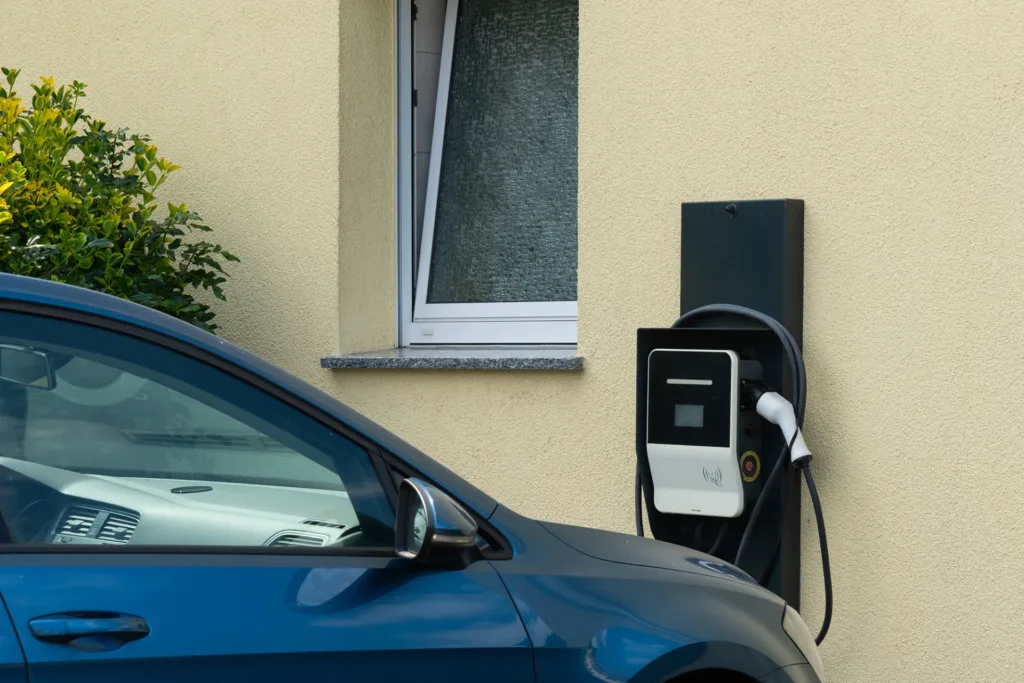
Some leasing companies and vehicle dealerships offer “free charger” promotions when a customer orders a new EV. But the value is usually bundled into the deal, either through contract length or monthly payments. It’s worth checking the breakdown carefully to understand what’s actually being offered.
A few energy providers offer subsidised chargers when customers switch to specific EV tariffs. These deals often come with load-balancing units and smart scheduling features, which can help reduce long-term charging costs.
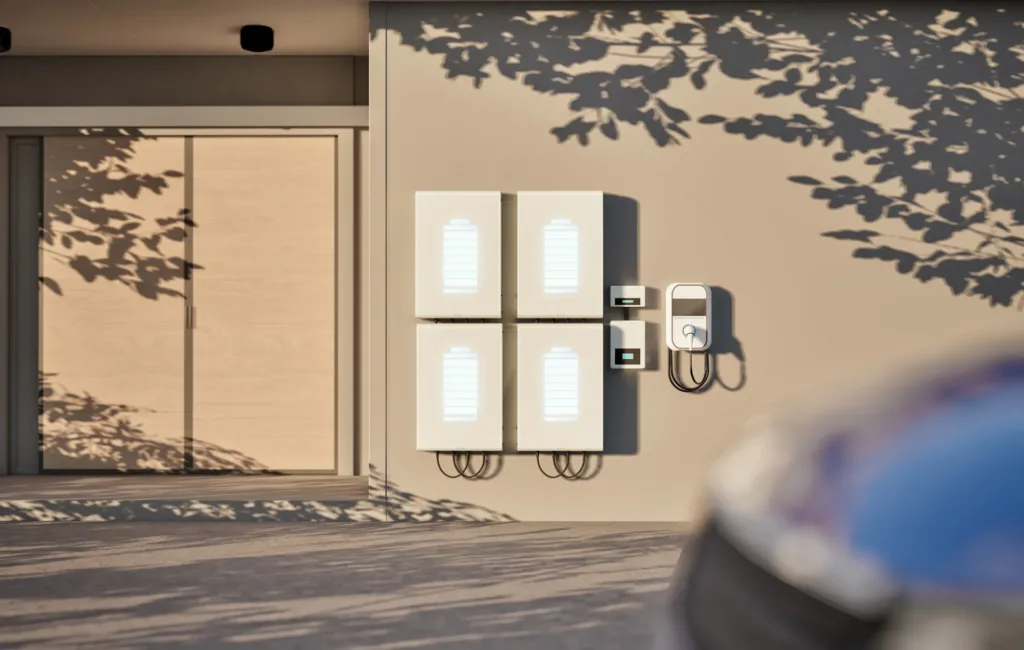
You’ll also find certain installers offering promotional discounts, particularly when bundling services like solar panels or home battery storage. It’s not uncommon to see a charger included at no added cost as part of a larger energy upgrade.
Understanding the True Cost of a Charger
Most customers who don’t qualify for a grant can expect to pay between £800 and £1,200 for supply and installation. The cost depends on several factors:
- Distance from the consumer unit
- Type of wall or mounting surface
- Choice of charger model and features
- Whether a load management system is needed
Smart chargers are now the default for domestic use. They allow drivers to schedule charging for off-peak times, often saving hundreds per year on electricity costs. Some models even integrate with solar systems or home battery setups. We’ve compared several of the most popular units in our review of the best EV chargers for home use.
Long-Term Value
Even when paid for in full, a home charger can be a sound investment. Public charging costs remain significantly higher per kilowatt-hour, and the convenience of overnight charging is hard to match. When combined with smart tariffs, home charging often works out at less than half the price of rapid charging on the road.
It’s also worth noting that some insurers and mortgage lenders now view EV home charging as a positive feature — especially for new-build homes or retrofitted properties with sustainability upgrades.
FAQs
Can I still get a free EV charger in 2026?
Only in specific cases. Flat owners and renters with private parking can apply for a partial grant. Fully free chargers are usually part of bundled deals.
Do I need to apply for the grant myself?
No. Your installer will handle the application. You’ll need to provide supporting documents and confirm eligibility, but you won’t apply directly.
What if I don’t have a driveway?
You’ll need to explore local on-street charging schemes. The government grant for home chargers requires off-street private parking at your address.
Conclusion
Free home EV chargers are far less common than they once were — but that doesn’t mean the support has vanished entirely. The Electric Vehicle Chargepoint Grant continues to help renters and flat owners bring down costs, while installer discounts and energy offers still provide meaningful savings for other households.
For anyone weighing up their options, it’s worth looking at both the short-term installation price and the long-term benefits. Our team is always ready to advise on the best charging setup for your home, including grant eligibility and smart energy solutions. If you’re ready to get started, you can get in touch with us here.