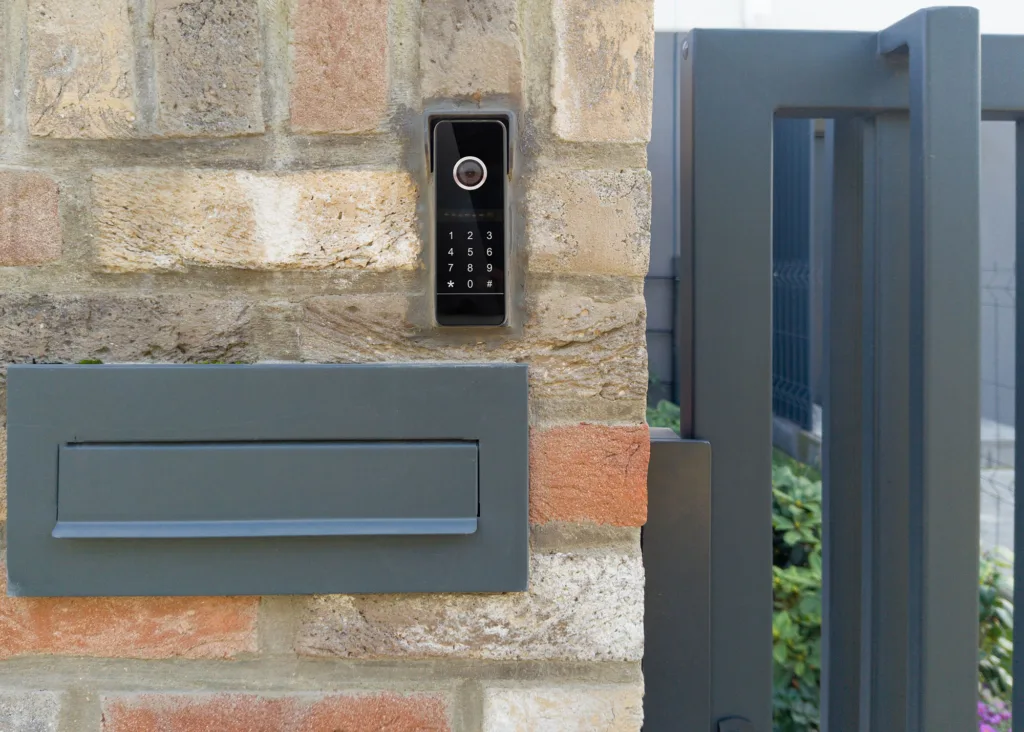
Smart doorbells are everywhere these days, offering security and convenience with instant alerts and video access. They’ve become so common that disputes between neighbours are also rising — particularly when one camera seems to be aimed directly at someone else’s door. For many, this feels like an invasion of privacy, but the legal reality isn’t always straightforward.
The rules around home surveillance in the UK sit at the crossroads of privacy, data protection and neighbourly conduct. Knowing where the law draws the line and what you can do if you feel uncomfortable is the key to handling the situation calmly and effectively.
Quick Answer
Yes, your neighbour can fit a doorbell camera. It becomes more complicated when that device records areas beyond their boundary, such as your door, garden or a shared walkway. At that point, they must comply with the Data Protection Act 2018 and the UK GDPR, which regulate how personal data (like video images of you) is collected and stored. The Information Commissioner’s Office (ICO) confirms that once a camera captures people outside the owner’s property, the footage is subject to data protection rules.
What the Law Actually Says
Inside vs Outside the Boundary
A doorbell camera aimed only at the owner’s property (for example, their driveway or doorstep) is considered private use and usually doesn’t fall under data protection law. The moment it records beyond that, your front door, the pavement, or a communal hallway, data protection law applies.
ICO Expectations in Practice
According to the ICO’s guidance on domestic CCTV, anyone capturing footage outside their property must:
- Limit the field of view where possible.
- Use privacy masking features.
- Keep recordings secure.
- Avoid keeping footage longer than necessary.
- Be transparent by telling people affected that they are being recorded.
Ignoring these responsibilities can lead to complaints, enforcement notices, or even fines.
Other Relevant Laws
If a neighbour’s device causes persistent distress, the Protection from Harassment Act 1997 may apply. Additionally, planning rules or tenancy agreements sometimes restrict external fixtures. For example, a housing association may forbid video doorbells in communal entrances. And when electrical work is needed, systems must comply with Approved Document P: Electrical Safety, which covers safe domestic installations.
When a Camera Setup Is Usually Fine
Most homeowners don’t install video doorbells to spy on their neighbours. If the field of view is limited to their own doorway and immediate path, the law won’t usually step in. Devices that only provide live viewing without storing clips are also less of a concern, as they don’t involve long-term handling of personal data.
If you’re considering adding a doorbell yourself, choosing a professional installer can help avoid disputes from the start. For examples of well-positioned systems, see our CCTV & Doorbells.
When It Becomes a Privacy Problem
Problem Scenarios
Disputes often arise when:
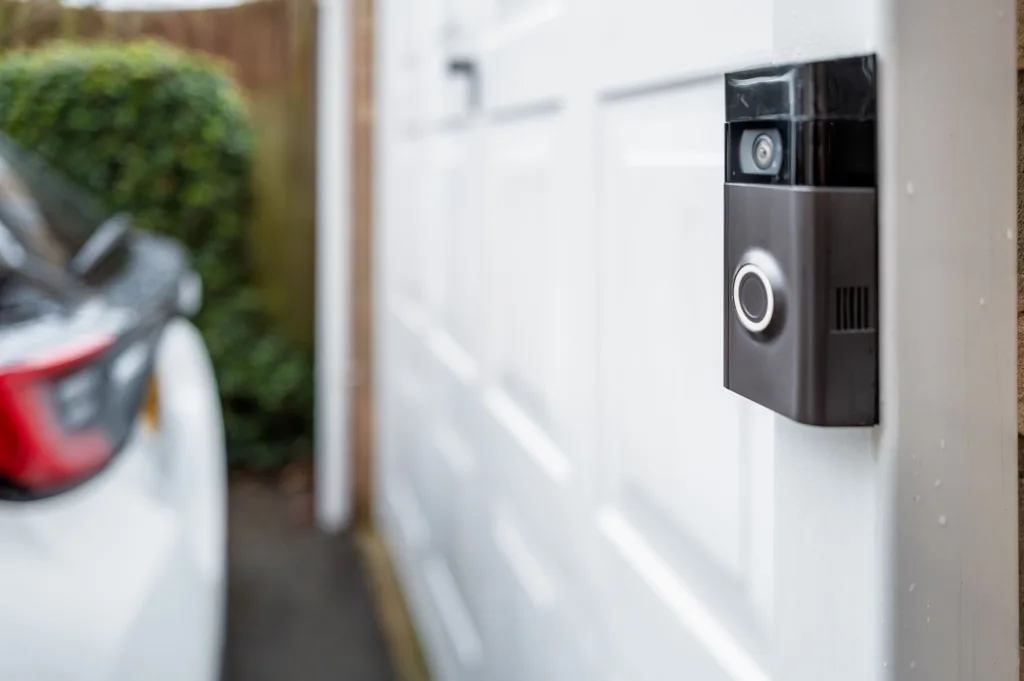
- A doorbell points directly at a neighbour’s door or windows.
- Private gardens or shared pathways are constantly recorded.
The system records audio, capturing conversations without consent. - Footage is shared online, such as posting clips of neighbours on social media.
Potential Legal Issues
If your neighbour’s setup crosses into your property, several laws may apply:
- Data Protection Act 2018 / UK GDPR – covering unnecessary or insecure recording of personal data.
- Protection from Harassment Act 1997 – if the behaviour feels targeted or intimidating.
- Housing or tenancy agreements – many landlords restrict external fixtures like cameras.
Electrical standards also play a role. Poorly installed systems can be unsafe, which is why installers follow BS 7671 Wiring Regulations. This ensures both safety and compliance with national standards.
Resolving the Issue Step by Step
1. Start With a Calm Conversation
Often, a neighbour won’t realise their camera is intrusive. Politely asking them to adjust the angle or enable privacy settings may resolve the issue quickly. Keeping your tone non-confrontational increases the chances of cooperation.
2. Suggest Technical Adjustments
Modern devices often include motion zones and privacy masking. Asking your neighbour to use these shows you’re seeking a fair compromise. If you’re upgrading your own device, you can find useful advice in Cornwall Security: Smart Doorbells Upgrade Tips.
3. Mediation or Landlord Involvement
If conversations stall, mediation services offered by local councils can help. Tenants should also check with their housing association or landlord, as unauthorised cameras can breach tenancy rules. Some leases even allow landlords to demand the removal of intrusive devices.
4. Escalating to the ICO
If all else fails, you can complain to the ICO. Provide evidence such as photos of the camera, screenshots of recordings, and details of attempts you’ve made to resolve things. The ICO can investigate and may issue enforcement notices or fines. More details are available on the ICO’s website.
5. Police or Legal Action
Where surveillance is used in a way that causes harassment or intimidation, the police may become involved. Civil action is also possible if you’ve suffered distress or damage due to a neighbour’s misuse of CCTV. Courts have awarded compensation in some cases where recordings were excessive or improperly used.
Evidence Checklist
Before escalating, it helps to gather:
- Photos showing where the camera is pointed.
- Screenshots of recorded footage that captures your property.
Copies of emails or letters you’ve sent requesting changes. - Witness statements from others who feel monitored.
- Notes of dates and times when recordings affected you.
This record will strengthen your case if you contact the ICO, your landlord, or the courts.
Technical Solutions and Professional Help
The best long-term fix is often technical. A qualified installer can:
- Reposition the camera.
- Set up privacy masking to block out neighbouring doors or gardens.
- Configure retention settings so footage is deleted after a short period.
- Ensure systems are wired safely and securely, in line with BS 7671 Wiring Regulations.
- Advise on cloud storage security and account protection.
If you’re concerned about your own setup or want a neighbour-friendly installation, it’s worth speaking to professionals like Wave Electrical Solutions, who are experienced in balancing security with privacy.
FAQs
Can my neighbour be fined for pointing a doorbell at my house?
Yes, if they fail to follow data-protection law and ignore ICO directions, enforcement action is possible. Fines are rare but not impossible, and civil compensation is also available in certain cases.
Do I have the right to film them back?
It’s not recommended. Recording your neighbour without a valid purpose may create more problems. A better approach is to collect evidence and use official complaint channels such as the ICO.
What if I live in a block of flats?
Communal areas often come with extra rules. Landlords and housing associations may forbid doorbell cameras, so it’s worth checking your lease or tenancy agreement. If you are concerned, raise the issue formally with your managing agent.
Concluding Thoughts
Video doorbells can provide peace of mind, but when pointed at a neighbour’s property, they can also create conflict and even legal consequences. The law doesn’t forbid them outright, but it does set responsibilities once footage captures people beyond the owner’s boundary.
For most people, a friendly conversation and a few technical changes solve the issue. When that doesn’t work, options include mediation, ICO involvement, and, in the most serious cases, legal action. If you’re planning your own installation, it pays to get it right from the start with proper positioning, safe wiring, and privacy-friendly settings. For expert help in Cornwall, Contact us for installations that balance security with respect for your neighbours.