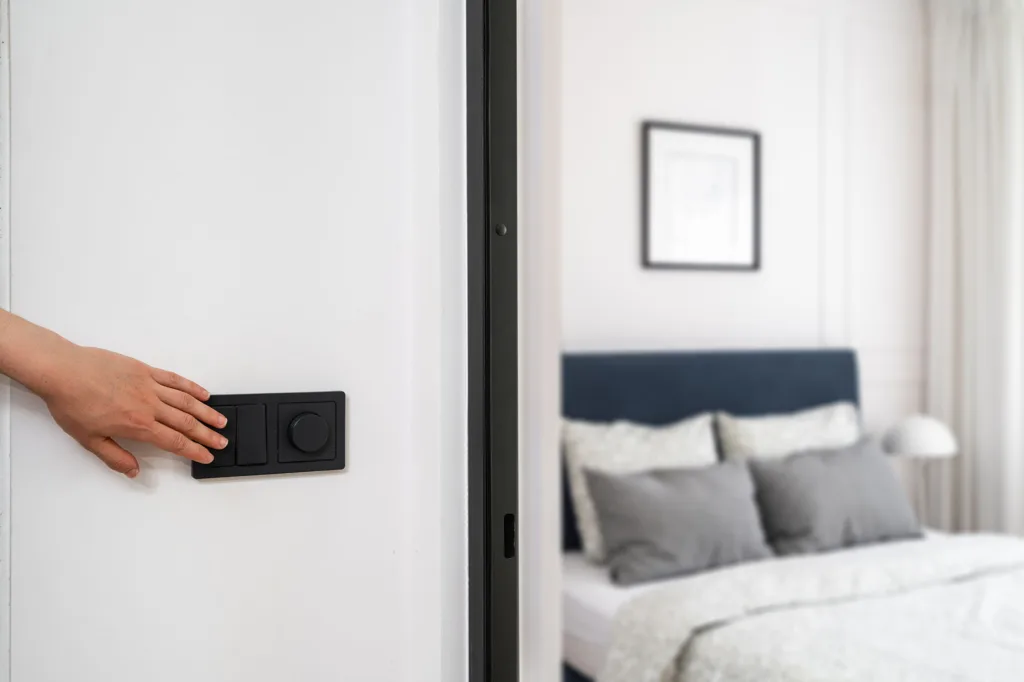
Sockets and switches rarely get the attention they deserve when designing or upgrading a home. Most people focus on paint colours, furniture, and flooring, but these small fittings quietly influence how a room looks and feels every single day. The right choices can turn plain walls into sleek design features, while poor selections can leave even the best-decorated rooms feeling unfinished.
What’s more, sockets and switches aren’t only about appearances. They dictate how conveniently you can charge your devices, control your lighting, and keep your household safe. From modern USB charging points to statement finishes that match your décor, these details can add both comfort and style to your home. And because they’re permanent fixtures, it pays to get the balance of design, practicality, and compliance right from the start.
The Role of Sockets and Switches in Home Design
Small details, big impact
It’s easy to underestimate how much influence sockets and switches have on a room’s character. A brushed brass light switch can echo traditional features in a period property, while a matt black socket can tie together a modern kitchen with dark cabinetry. These are not just functional devices; they become design accents that either complement or clash with your overall aesthetic.
Matching accessories to décor themes
When planning your interiors, consistency makes all the difference. Think of sockets and switches as part of the same visual family as door handles, light fittings, and cupboard knobs. For example, a chrome finish works beautifully in contemporary or industrial-themed spaces, while soft white or cream blends better with a minimalist look. If you’re investing in statement lighting or bold wall colours, pairing them with equally stylish switch plates ensures nothing looks out of place.
Popular Styles and Finishes
Choosing a style for sockets and switches isn’t only about preference; it’s about creating harmony with the rest of your home. Today, manufacturers offer a huge range of finishes, meaning there’s something to suit every type of décor, from classic to ultra-modern.
Classic finishes: brass, chrome, nickel
Timeless materials such as polished brass, chrome, and nickel have been staples in British homes for decades. Brass works particularly well in traditional or heritage properties, complementing period fireplaces and wooden panelling. Chrome and nickel, on the other hand, add a touch of shine to bathrooms and kitchens, pairing easily with taps and cabinet handles. These finishes are reliable choices that blend into many different interior schemes without drawing too much attention.
Contemporary options: matt black, stainless steel, glass plates
Modern interiors often demand a bolder approach. Matt black sockets and switches are increasingly popular, especially in kitchens with darker cabinetry or living rooms with modern feature walls. Stainless steel offers a professional, clean-lined appearance, ideal for open-plan spaces and loft-style apartments. For a truly sleek look, glass plates can make switches appear almost invisible, merging seamlessly with painted or tiled walls.
Soft finishes: white, cream, wood-effect
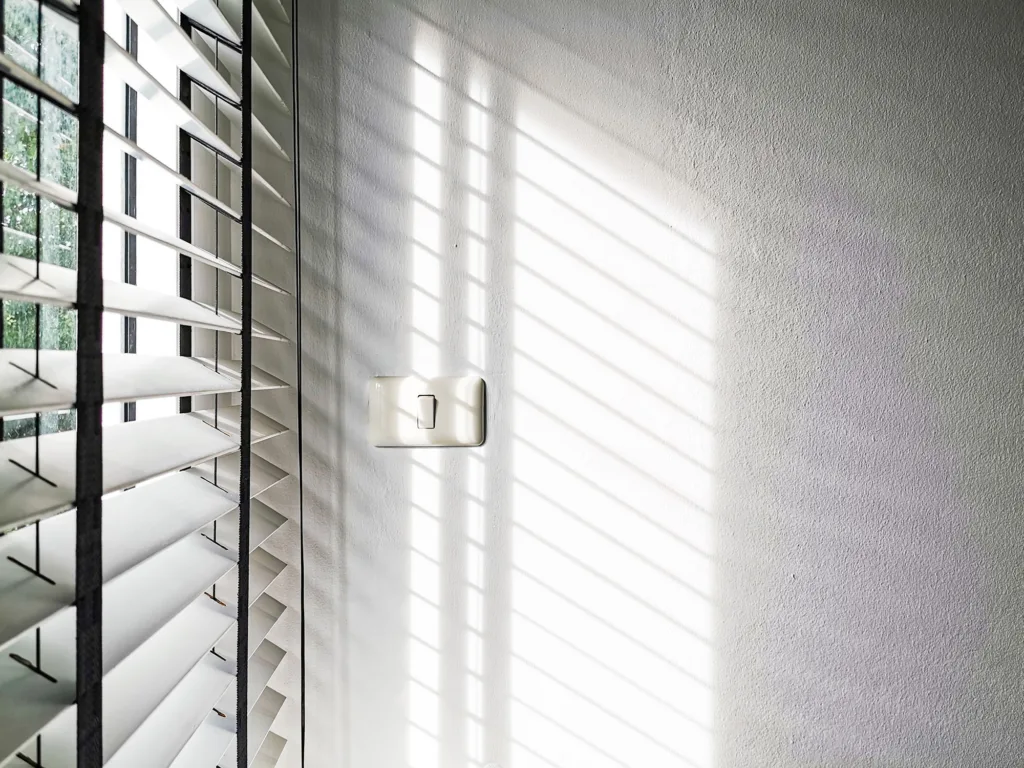
Not every home calls for a bold metallic finish. Neutral colours like white or cream are still widely chosen for their ability to blend into the background. They’re practical, inexpensive, and versatile, especially in rental properties or family homes where simplicity matters. For those seeking warmth and a natural touch, wood-effect switches and sockets provide a subtle way to complement wooden floors or furniture without overpowering the space.
Designer statement pieces
For some homeowners, sockets and switches are more than background details; they’re focal points. Designer collections now offer bold colours, intricate patterns, and even custom engravings. While these may not suit every room, they work particularly well in feature areas such as hallways, dining rooms, or home offices, where a little extra flair can make an impression.
Functionality Beyond Looks
While style plays an important role, functionality should guide your final choice. The latest sockets and switches do far more than simply turn the power on and off.
Smart sockets and switches
Technology has changed the way we use electricity at home. Smart switches allow you to control lighting from your phone or through voice assistants, while smart sockets can be scheduled to turn appliances on or off automatically. This adds convenience, saves energy, and gives you more control over your household.
USB and USB-C integrated sockets
With the constant need to charge phones, tablets, and laptops, integrated USB sockets have become a must-have in modern homes. These eliminate the need for bulky adaptors and free up the three-pin outlets for other appliances. Many new designs even include USB-C ports, ensuring your sockets are future-proof. To explore options designed with modern living in mind, see our sockets and switches services.
Dimmers and smart lighting switches
Lighting affects mood, and a dimmer switch makes it easy to set the right tone for any occasion. Modern dimmers are compatible with LED bulbs, offering energy savings without sacrificing ambience. Smart dimmers add further flexibility by letting you adjust brightness from an app or remote control.
Shaver sockets and cooker switches
In bathrooms and kitchens, functionality extends to safety and compliance. Shaver sockets are designed for low-power grooming devices, while cooker switches provide safe isolation for high-powered appliances. Choosing the right fittings ensures you comply with regulations and protect your household.
Practical Considerations
Style and functionality go hand in hand, but placement and practicality are just as important.
Placement and positioning
Think carefully about where sockets are needed most. In living rooms, having sockets near sofas makes it easier to charge devices. Bedrooms benefit from bedside outlets with integrated USBs, while kitchens often require more sockets than any other room. Planning in advance prevents clutter and the need for unsightly extension leads.
Accessibility for all household members
Switches should be positioned at a comfortable height for everyone in the home, including children and older adults. Placing sockets too low or switches too high can make daily use inconvenient. Following best practice ensures your electrical layout is both functional and inclusive.
Durability and ease of cleaning
Switches and sockets are high-touch surfaces. Choosing durable finishes that are easy to clean makes a noticeable difference in busy homes. For instance, stainless steel is robust and resists fingerprints, while matt finishes hide smudges well. If you’re considering upgrading, our guide to replacing a light switch is a useful place to start.
Safety and Compliance in the UK
No matter how stylish or advanced your fittings are, they must meet UK safety standards. Electrical work is covered under strict regulations designed to protect households from fire and shock hazards.
Electrical Safety Regulations: Part P and BS 7671
Under Part P of the Building Regulations, certain electrical work in homes must be carried out by a qualified professional. The IET Wiring Regulations (BS 7671) also outline safety standards for installations, covering everything from circuit design to earthing requirements. You can read more in the official Approved Document P.
When to hire a qualified electrician
While small tasks like changing a faceplate may be safe for a confident DIYer, installing new circuits or upgrading consumer units should only be done by a registered electrician. This ensures compliance and keeps your insurance valid.
Importance of RCD protection
Modern socket circuits are required to have residual current device (RCD) protection. This cuts power instantly if a fault occurs, significantly reducing the risk of electric shock. For further technical guidance, see the IET Wiring Regulations.
Tips for Replacing or Upgrading
If your sockets and switches look tired or no longer meet your household’s needs, upgrading them is a worthwhile investment.
DIY-friendly changes vs. professional installation
Swapping out old faceplates for a fresh look is often straightforward, provided you follow basic safety precautions. However, adding new sockets, moving switches, or installing smart systems usually requires a professional. If you’re planning a larger upgrade, get in touch via our contact page for expert advice and installation.
FAQs
- Are USB sockets safe to install in older homes?
Yes, provided the existing wiring is in good condition and the installation is done by a qualified electrician. Older properties may require an inspection first to confirm that the circuits meet current safety standards. - What’s the best finish for a busy household with children?
Durable finishes such as stainless steel or matt white are ideal. They resist fingerprints and scratches, making them easier to keep clean in high-traffic areas. - Do I need building control approval for changing sockets?
Replacing sockets in the same location generally does not require building control approval. However, adding new circuits or carrying out work in special locations like bathrooms does fall under Part P and must be signed off appropriately.
Conclusion
Sockets and switches might seem like small details, but they influence both the look and functionality of your home in ways that are impossible to ignore. From sleek finishes that complement your décor to smart technology that simplifies daily life, the right choices will serve you for years to come. Above all, ensuring compliance with UK regulations keeps your household safe while allowing you to enjoy the latest design and convenience features.
If you’re planning an upgrade, don’t settle for standard fittings — explore modern, stylish options that reflect your home’s personality. For tailored advice and expert installation, visit Wave Electrical Solutions today.