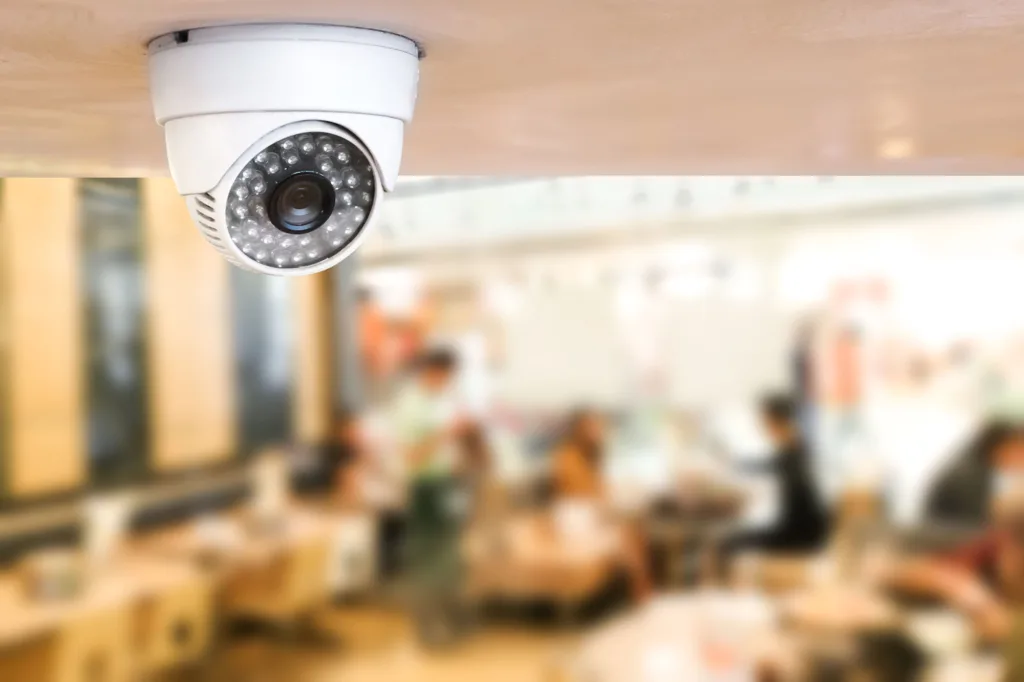
Securing business premises has become more complex in recent years. With rising cases of theft, vandalism, and unauthorised entry, traditional locks and alarms are no longer enough. Modern CCTV has stepped into this gap, offering not only a watchful eye but also advanced tools to support proactive security. Across the UK, businesses are now choosing surveillance systems that do more than record—they analyse, alert, and integrate with wider security measures.
This shift is driven by technology. Artificial intelligence allows cameras to detect suspicious behaviour automatically, while remote monitoring ensures that business owners and managers can access live feeds at any time. From small retail shops to large industrial facilities, CCTV has transformed from a passive recording system into an intelligent safety net. Yet, beyond the technology, there are also regulatory considerations to ensure systems are legally compliant and properly installed.
Investing in the right CCTV setup is not simply about deterring intruders; it’s about creating a safer workplace, safeguarding assets, and providing reassurance to staff and customers alike. As we look deeper into the modern features of commercial CCTV, it becomes clear that the right system delivers benefits far beyond basic security.
Why Every Business Needs CCTV Security
For many businesses, CCTV represents the first visible layer of protection. Criminals are less likely to target premises where cameras are clearly installed, making deterrence one of the most immediate advantages. The presence of surveillance alone reduces risks of burglary, vandalism, and unauthorised access.
Beyond prevention, CCTV offers a dependable source of evidence. In the unfortunate event of theft or damage, recorded footage can assist police investigations and support insurance claims. This makes it an essential safeguard not only against direct financial loss but also against disputes that may otherwise prove costly and time-consuming.
Staff and customer safety also plays a central role. Cameras positioned at entrances, car parks, and high-traffic areas ensure that employees feel more secure, particularly during unsociable working hours. Customers and visitors, meanwhile, gain confidence knowing that the environment is monitored and controlled. In sectors such as retail or hospitality, this visible reassurance can directly strengthen trust and loyalty.
Importantly, CCTV is not limited to protection against crime. It also enhances internal accountability. Monitoring staff activity can improve workplace productivity, resolve disputes quickly, and support compliance with health and safety requirements. Rather than being seen as intrusive, these systems are increasingly viewed as part of a professional, well-managed environment that prioritises safety and transparency.
Modern CCTV Technology for Businesses
AI-Powered Surveillance
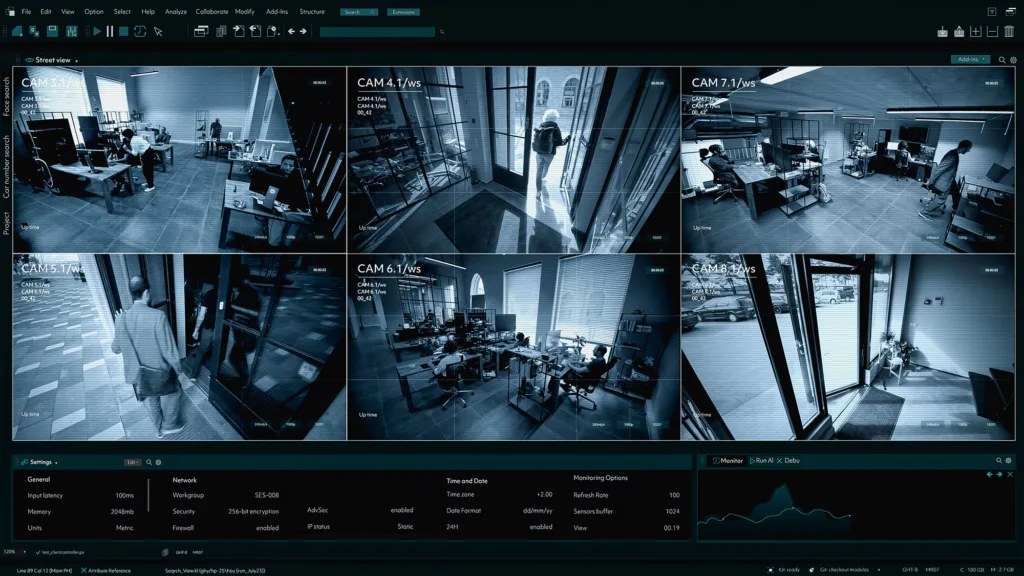
Today’s commercial CCTV systems are no longer simple recording devices. Many are powered by artificial intelligence, making them capable of identifying unusual behaviour and issuing alerts in real time. For instance, cameras can detect when someone loiters near an entry point for too long, when a restricted area is accessed, or when crowding occurs in public-facing spaces. Features such as facial recognition, vehicle tracking, and people counting are transforming surveillance into a proactive tool rather than a reactive measure.
For businesses, this means fewer blind spots and faster responses. Instead of sifting through hours of recorded footage after an incident, AI allows you to act before problems escalate. It reduces reliance on security staff and ensures attention is only drawn when genuinely necessary.
Remote Monitoring Capabilities
Remote monitoring has become a vital feature for modern enterprises. With secure apps and online platforms, business owners can now access live camera feeds from smartphones, tablets, or desktop computers at any time. This is particularly valuable for companies with multiple sites or for managers who travel frequently.
Cloud-based storage further strengthens this approach by providing safe and convenient access to recorded footage. Unlike traditional DVR systems, cloud solutions protect video files against theft or accidental loss. Footage can be retrieved quickly and shared with relevant parties if needed, whether for police evidence or insurance documentation.
At Wave Electrical Solutions, we support businesses in deploying these smart solutions, ensuring they get systems that fit both security needs and day-to-day operations. By combining high-definition imaging with flexible monitoring tools, organisations gain constant visibility over their assets.
Integration with Other Security Systems
CCTV is most effective when integrated into a broader security strategy. Pairing surveillance with alarm systems, access control, and automated lighting creates a layered defence that discourages intruders and limits damage if an incident occurs. For example, a triggered alarm can instantly prompt cameras to focus on the affected zone, capturing detailed evidence.
Scalability is another advantage of modern systems. Businesses can start with a few cameras and gradually expand coverage as operations grow, without needing to replace existing equipment. Integration also future-proofs security investment, making sure new technologies can be added without disrupting current systems.
Strategic System Design
Assessing Business Needs
No two business premises are identical, which is why system design is such a critical stage in CCTV planning. Factors such as the size of the property, the number of entry points, and the nature of staff and customer movement all influence camera placement. For example, a warehouse may require long-range coverage at loading bays, while an office building may focus more on entry points and communal areas.
High-risk zones such as cash handling points, storage facilities, or secluded outdoor spaces demand tailored solutions to guarantee continuous coverage. A well-designed system ensures no gaps remain for criminals to exploit.
Tailored Solutions
Different industries benefit from customised surveillance setups. Retailers often use CCTV to reduce theft and monitor customer activity, while office environments may focus on staff safety and building access. Industrial sites frequently prioritise health and safety compliance, using cameras to oversee hazardous areas.
For holiday properties, surveillance has unique value. Owners often live far from their rental accommodation, making remote monitoring essential. Incorporating CCTV into holiday letting property services ensures properties remain secure between guest stays, protecting both the building and its contents.
Professional Installation & Compliance
Professional installation is vital not only for performance but also for compliance. In the UK, CCTV systems that require electrical work must meet wiring regulations such as BS 7671 and comply with building safety rules under Approved Document P – Electrical Safety. Poorly installed systems may not only fail at a critical moment but could also invalidate insurance policies.
Choosing a trusted installer ensures that cameras are positioned strategically, cables are installed correctly, and the entire system is configured to deliver reliable, high-quality footage.
Business Benefits Beyond Security
While protection from theft and vandalism is the most obvious advantage, businesses increasingly find that CCTV improves operations in ways that go beyond crime prevention.
Monitoring workplace activity helps to identify bottlenecks, reduce wasted time, and encourage staff accountability. For sectors with strict safety obligations, such as manufacturing or logistics, CCTV provides evidence that health and safety measures are being followed. This can protect a business from liability claims while also supporting ongoing improvements in workplace practices.
Customer trust also grows when security is visible. Shops, hospitality venues, and service providers benefit from the reassurance that surveillance offers to visitors. A safe environment attracts more customers, reinforces a professional image, and contributes to long-term brand reputation.
FAQs
- How long can businesses keep CCTV footage in the UK?
Most businesses retain footage for around 30 days, although this may vary depending on the nature of the premises and insurance requirements. Data protection rules under the UK GDPR also apply, meaning footage should not be stored longer than necessary. - Do I need permission to install CCTV on my commercial property?
Generally, you do not need special permission to install CCTV on your own premises. However, you must comply with data protection laws if the cameras capture public spaces or areas outside your property. Clear signage informing people that CCTV is in use is also a legal requirement. - What’s the difference between cloud-based and local CCTV storage?
Local storage typically involves DVRs or NVRs located on-site, whereas cloud storage saves footage securely online. Cloud solutions offer easier remote access, greater protection against theft or damage, and flexible expansion options.
Conclusion
CCTV has evolved into a highly intelligent tool that protects businesses far more effectively than traditional systems ever could. By combining AI-driven features with remote monitoring and integration across wider security systems, businesses gain continuous protection and peace of mind. Strategic system design ensures cameras are positioned for maximum coverage, while professional installation guarantees compliance with UK electrical and building safety standards.
For companies serious about protecting assets, staff, and customers, investing in a tailored CCTV solution is no longer optional—it’s essential. To discuss a security setup that fits your specific needs, explore our Commercial CCTV Security Systems today and take the first step towards safeguarding your business future.