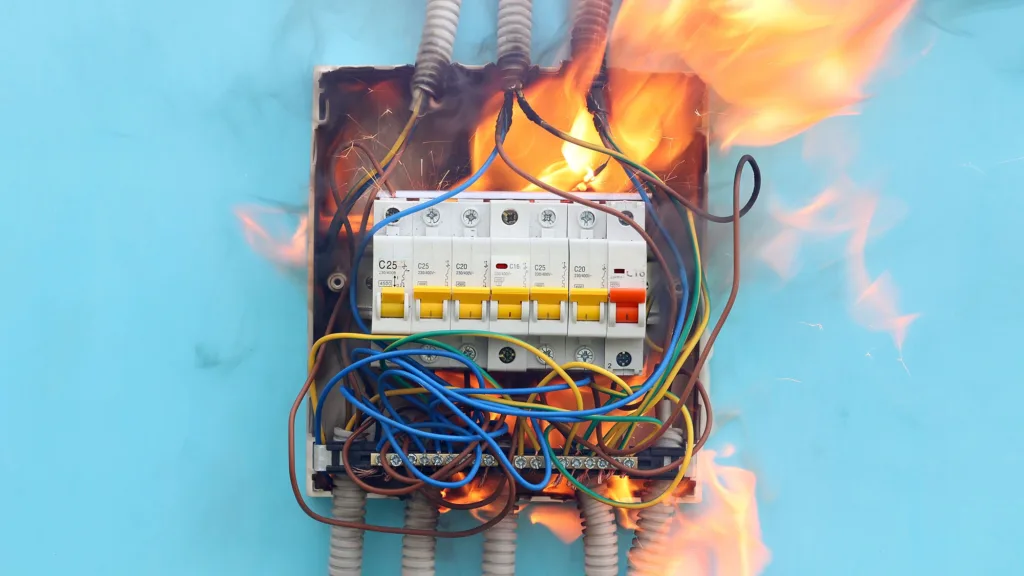
Electrical faults are sneaky. They don’t always shout for attention like a blown fuse or tripped breaker. Arc faults—those tiny but intense electrical discharges that leap between wires—can smoulder silently behind walls and floorboards, posing a serious fire risk. This is where Arc Fault Circuit Interrupters (AFCIs) come into play.
AFCIs are protective devices designed to detect and interrupt dangerous arc faults before they escalate into fires. These devices continuously monitor the current and are clever enough to distinguish normal operational arcs—like those created when you flip a light switch—from the erratic signature of a potentially harmful arc.
Unlike Residual Current Devices (RCDs), which focus on detecting earth leakages, AFCIs specifically target arcing conditions caused by damaged conductors, loose connections, or aged cables. In essence, where RCDs protect people from electric shock, AFCIs protect property from fire. The two work in tandem but perform distinctly different tasks.
There are two common types of arc faults: series arcs, which occur when a single conductor is damaged, and parallel arcs, which happen between live and neutral wires. Both can go undetected by traditional protection methods, making AFCIs a modern essential for layered electrical safety.
Why Arc Faults Are a Real Threat
You might not see it happening, but arc faults are among the leading causes of domestic electrical fires. The government’s Fire Statistics Report consistently highlights electrical distribution as a major cause of fire incidents in homes, often traced back to faulty wiring and connections. According to the Electrical Safety First charity, around 20,000 house fires each year in the UK are caused by electrical faults—and arcing is a big contributor to that figure.
The culprits? It’s often everyday wear and tear: insulation breakdown, aged wiring, nails accidentally driven into cables, and even rodents chewing through conductors. These small issues can lead to arcs, which generate heat and can ignite nearby materials.
AFCIs act like vigilant sentinels. They analyse waveforms in the current and trip the circuit the moment an arc signature is detected. That proactive approach makes them particularly valuable in places where damage may not be immediately visible, like behind plasterboard or under floorboards.
By cutting power before temperatures rise enough to ignite, AFCIs significantly reduce the risk of fire—often before you even know something’s wrong.
Looking for advice on broader circuit protection? Learn how to handle ring-main overloads effectively.
Where Are AFCIs Required in the UK?
The regulatory framework for arc fault protection in the UK is laid out in the BS 7671 IET Wiring Regulations, commonly referred to as the 18th Edition. Amendment 2, published in 2022, recommends the use of Arc Fault Detection Devices (AFDDs) in specific high-risk scenarios.
These include:
- Dwellings with sleeping accommodation
- Premises with risk of fire due to stored combustible materials
- Locations with irreplaceable goods (e.g., museums)
- Buildings made of timber or other easily flammable construction materials
While not mandated in all homes, AFDDs are becoming standard in new builds and major rewires, especially where safety is paramount. They’re typically installed in consumer units as single-module devices, sometimes integrated with RCBOs for combined protection.
For the official word on this, see the IET’s guidance on AFDDs, which provides practical interpretation of the regulation.
How AFCIs Enhance Electrical Safety
Electrical protection used to be simpler. You had a fuse or MCB to stop overcurrents, and later, RCDs to protect against shocks. But those don’t catch arcs.
That’s why AFCIs are a valuable addition. When combined with RCDs and MCBs, they provide full-spectrum protection: against overloads, faults to earth, and now, arcing. It’s not just about ticking a box—it’s about stopping fire hazards before they become disasters.
Homeowners often worry about “nuisance tripping,” but AFCIs are far more advanced today than their earlier versions. They’re designed to differentiate harmless arcs, like those from vacuum motors or light switches, from harmful faults. And they do it with impressive accuracy.
They are particularly beneficial in older properties, where hidden cable degradation may exist. They also shine in modern homes packed with electronics that increase the risk of loose connections and cable strain.
Installation and Compatibility Considerations
Thinking about retrofitting AFCIs? It’s definitely possible—but not always plug-and-play.
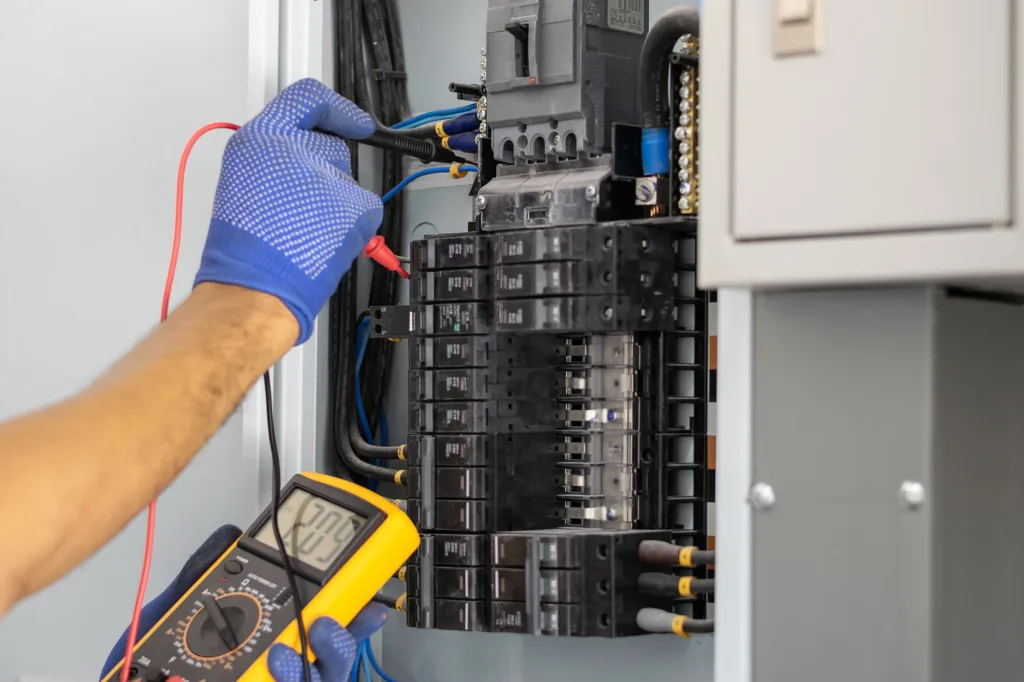
They’re most commonly installed in consumer units (UK term for what many might call a breaker box), and while newer units often have slots ready for AFDDs, older ones may need modification. Compatibility with existing miniature circuit breakers (MCBs) or residual current circuit breakers with overload (RCBOs) should be checked first by a qualified electrician.
Also, consider the cost. AFDDs are more expensive than typical MCBs or RCDs, but this is balanced by the advanced protection they provide. Think of it as an insurance policy—one that pays off in peace of mind.
Lifespan is another plus. AFCIs are designed to last as long as standard circuit breakers (about 10–15 years), and they include test buttons for routine checks.
Do You Really Need AFCI Protection in Your Home?
If you live in a newer home or one that’s been recently rewired, you might already have AFDDs in place. But for many older properties, the answer isn’t so straightforward.
Ask yourself:
- Is your wiring more than 20 years old?
- Have you had unexplained trips or flickering lights?
- Do you run many appliances on a single socket extension?
If you’ve said yes to any of these, it’s worth exploring AFCI protection. Especially in bedrooms, where fires can go unnoticed until it’s too late, installing an AFCI adds a layer of security that no RCD or fuse can offer.
When Electrical Emergencies Strike, AFCIs Make a Difference
Not every electrical problem comes with a warning. Sometimes it’s a burning smell in the middle of the night, flickering lights with no apparent cause, or sockets that spark unexpectedly. These are the moments where AFCIs prove their worth.
Because AFCIs detect the early signs of arcing, they can prevent a potentially serious issue from escalating into a full-blown emergency. Their quick action can mean the difference between a safe shutdown and a devastating fire.
In cases of sudden electrical faults, you should always call a qualified emergency electrician. But having AFCIs already in place can offer crucial protection while help is on the way. Learn more about our 24/7 emergency electrical services and how we can help keep your home safe at any hour.
Helpful Resources on Electrical Safety
Want to dive deeper into home circuit safety? We also cover related topics such as ring-main overloads, another common issue that’s preventable with the right knowledge and kit. These kinds of problems often go hand-in-hand with the risks that AFCIs are built to mitigate.
FAQs
Are AFCIs required in all new builds?
Not currently. The 18th Edition Wiring Regulations recommend, but don’t yet require, AFDDs in all new builds. However, they’re mandatory in certain high-risk scenarios.
Can AFCIs detect all types of electrical faults?
No. AFCIs are designed specifically to detect arcing faults. They should be used alongside MCBs, RCDs, and RCBOs to ensure comprehensive protection against all fault types.
How do AFCIs compare in cost to RCDs or RCBOs?
AFCIs are generally more expensive due to their advanced sensing technology. However, the added fire protection justifies the cost, especially in sensitive or high-risk areas.
Final Thought
Arc Fault Circuit Interrupters aren’t just an add-on—they’re a significant step forward in preventing electrical fires before they happen. While they might not be necessary in every room, their value in key areas like bedrooms, lofts, and older properties is hard to overstate.
If you’re planning any electrical upgrades, integrating AFCI protection makes sense—not just for compliance, but for the safety of your home and family. When in doubt, always consult a qualified electrician who can assess your needs.
Have questions or need an installation quote? Speak with our team today.