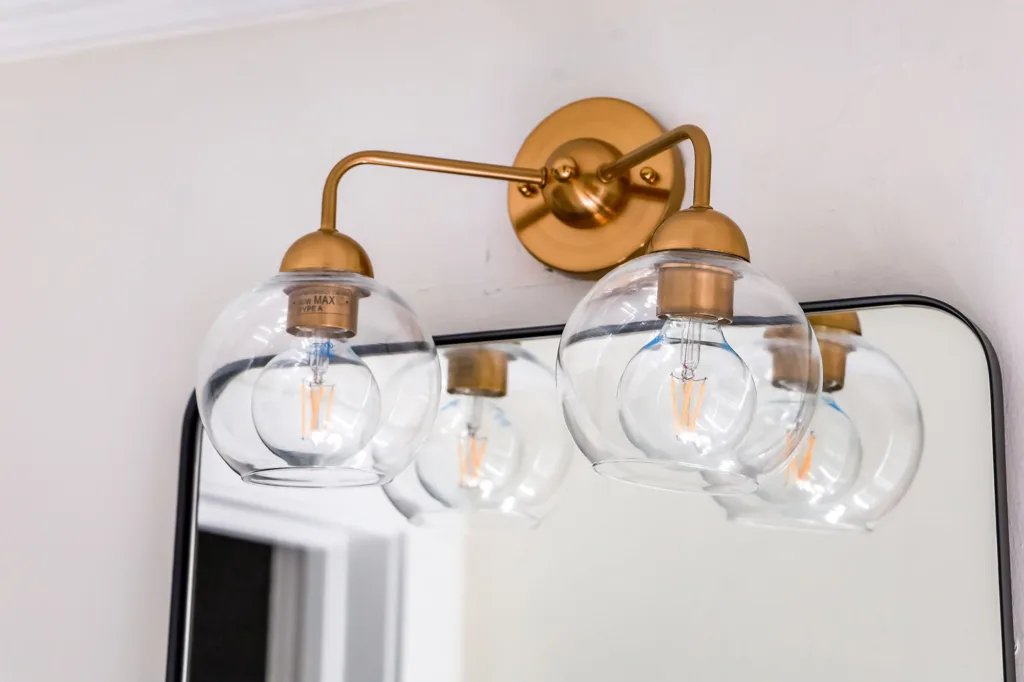
Electrical safety is one of the most important aspects of bathroom design, yet it’s often overlooked. With water and electricity in close proximity, the risk of electric shock is significantly higher in bathrooms than in other areas of the home. That’s why the UK has strict regulations governing bathroom electrics, ensuring installations meet safety standards.
One common question homeowners ask is whether bathroom lights need to be on their own circuit. The short answer? Not necessarily—but there are important rules you must follow to ensure compliance with British electrical regulations. Understanding these requirements is essential, whether you’re upgrading an existing bathroom or planning a new installation. Let’s explore what the regulations say about bathroom lighting circuits, the role of RCD protection, and best practices for safe installation.
Bathroom Electrical Zones and Circuit Considerations
To regulate the installation of electrical equipment in bathrooms, the UK uses a zoning system that defines which types of fittings are safe for specific areas.
- Zone 0: This is inside the bath or shower itself. Any light fitting used here must have at least an IPX7 rating, meaning it is fully waterproof.
- Zone 1: The area above the bath or shower up to 2.25 metres from the floor. Lights installed in this zone must be at least IPX4 rated and should be extra-low voltage (SELV) with transformers located outside the zone.
- Zone 2: Extends 0.6 metres beyond the perimeter of the bath or shower and up to the same 2.25-metre height. Fittings must also be IPX4 rated.
- Outside Zones: Any area outside Zone 2 where no specific IP rating is required. Standard light fittings can be used here as long as they comply with general electrical regulations.
These zoning requirements ensure that lights and other electrical fixtures are suitable for the conditions in each part of the bathroom.
Do Some Bathrooms Need a Dedicated Circuit?
While UK regulations don’t require a separate circuit for bathroom lights, there are situations where it makes sense to have one.
- Larger bathrooms with multiple light sources – If a bathroom has several lighting elements, such as recessed downlights, wall sconces, and LED mirrors, a dedicated circuit can prevent overloading the existing lighting circuit.
- Bathrooms with high-powered electrical fixtures – Some bathrooms have additional electrical appliances, such as underfloor heating, heated towel rails, or power showers. While these require their own circuits, having a dedicated lighting circuit ensures that lights remain unaffected if another appliance trips the power.
- New builds and extensions – For homes undergoing renovations or extensions, an electrician may recommend a dedicated lighting circuit for future-proofing and ease of maintenance.
Ultimately, the decision depends on the electrical load and layout of the property, but for most standard bathrooms, lights can safely be wired into the main household lighting circuit.
Regulations for Electrical Installations in Bathrooms
UK regulations do not require bathroom lights to be on their own dedicated circuit. However, they must be protected by a Residual Current Device (RCD) with a maximum trip setting of 30mA, as per BS 7671:2018 (IET Wiring Regulations).
Other key regulations include:
- All switches must be pull-cord operated or located outside the bathroom to prevent contact with wet hands.
- Bathroom circuits must be adequately earthed to minimise the risk of electric shock.
- Electrical work in bathrooms is classified as “notifiable work” under Part P of the Building Regulations, meaning it must be inspected and certified by a qualified electrician if not carried out by one.
For those considering professional installation, our bathroom electrics service ensures all work is completed to the highest standards.
Connecting Bathroom Fans to Lighting Circuits
It’s common practice to wire bathroom extractor fans into the lighting circuit so they turn on and off with the light switch. This ensures:
- Proper ventilation to reduce moisture build-up and prevent mould growth.
- Compliance with Part F of the Building Regulations, which requires bathrooms without windows to have adequate mechanical ventilation.
- Energy efficiency, as the fan only runs when the bathroom is in use.
Types of Bathroom Extractor Fans and Their Wiring
Extractor fans come in different types, and the way they are wired into the lighting circuit can vary:
- Standard extractor fans – Turn on and off with the light switch.
- Timer-controlled fans – Continue running for a few minutes after the light is switched off, ensuring proper ventilation.
- Humidity-sensing fans – Automatically turn on when humidity levels rise, making them ideal for bathrooms without windows.
When wiring an extractor fan, it’s important to use a three-pole isolator switch and ensure the fan is IP-rated for the correct bathroom zone. For those looking to install an extractor fan themselves, check out our DIY extractor fan guide for step-by-step instructions.

Safety Measures and Best Practices
Even if bathroom lighting doesn’t require a separate circuit, following best practices ensures a safe and compliant installation.
- Always use RCD protection – This is the most important safety measure for bathroom circuits.
- Choose the right light fittings – Check the IP rating of fixtures before installation.
- Position lights carefully – Avoid placing fittings in areas where they might be directly exposed to water.
- Consider LED lighting – LEDs are safer, more energy-efficient, and longer-lasting compared to traditional halogen bulbs.
- Hire a qualified electrician – Electrical work in bathrooms is subject to strict regulations, so it’s always best to seek professional assistance.
If you need expert guidance, our team is available for consultations. Feel free to get in touch to discuss your bathroom lighting setup.
FAQs
1. Is it mandatory for bathroom lights to be on a separate circuit?
No, UK regulations allow bathroom lights to be part of the main household lighting circuit, as long as the circuit is RCD protected and can handle the load.
2. Can I install standard light fixtures in my bathroom?
Only in outside zones. If the light fitting is within Zones 0, 1, or 2, it must have the appropriate IP rating to withstand moisture and water exposure.
3. Why is RCD protection crucial for bathroom circuits?
RCDs instantly cut power if they detect an electrical fault, significantly reducing the risk of electric shocks in a high-moisture environment like a bathroom.
Conclusion
While bathroom lights don’t need their own circuit, they must comply with UK safety regulations, including RCD protection and IP-rated fixtures. If you’re planning a bathroom renovation, ensuring proper electrical installation is crucial for safety and efficiency.
For expert electrical services, including bathroom lighting installations, visit our Wave Electrical Solutions homepage. Our team ensures your bathroom electrics meet all UK standards, giving you peace of mind and a safe, functional space.