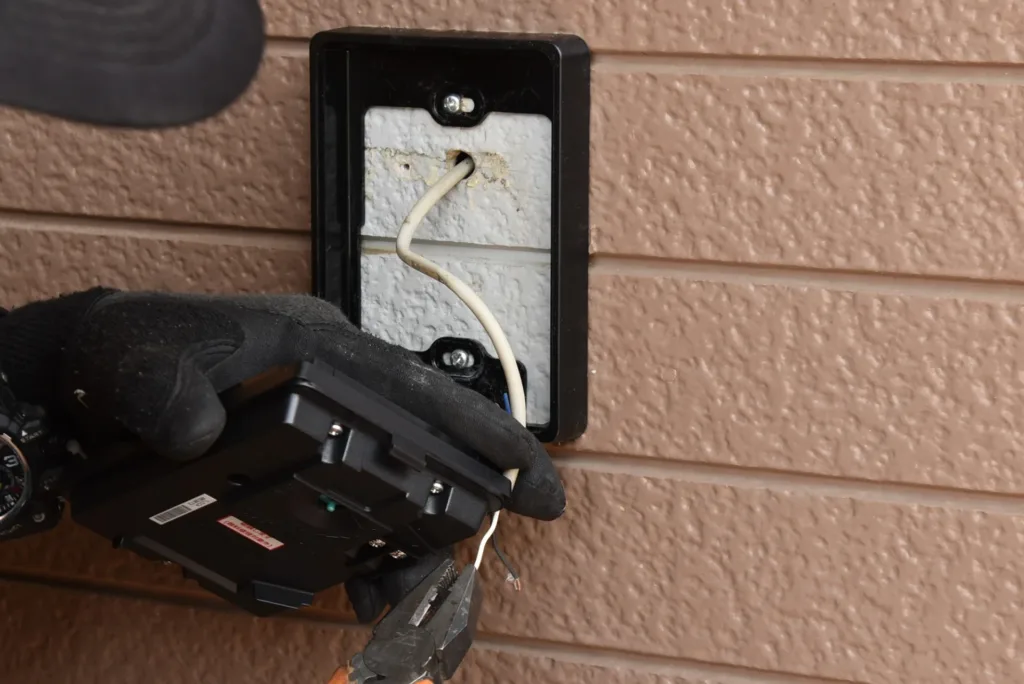
There’s a common misconception among homeowners when it comes to Ring doorbells: that hardwiring one means saying goodbye to battery maintenance forever. The truth isn’t quite as straightforward. While the Ring ecosystem offers both wired and wireless options, what many don’t realise is that hardwiring a Ring doorbell with a battery doesn’t exactly convert it into a fully hardwired device. Instead, it acts more like a constant trickle charger.
If you’ve ever wondered whether hardwiring your Ring doorbell will save you the hassle of recharging — or if it’s even worth doing at all — this guide breaks it all down. From how Ring devices actually handle power to installation specifics and regulations in the UK, we’ll clear up the confusion and help you make the best choice for your setup.
Understanding Ring Doorbell Power Options
Battery-powered vs hardwired models
Ring offers a variety of models, and understanding their power preferences is key. Some models, such as the Ring Video Doorbell (2nd Gen), come with a built-in battery that needs charging via USB. Others, like the Ring Video Doorbell Pro, are designed to be hardwired only. If you’ve bought a battery-based model, you might assume you can forget about charging by simply connecting it to your existing doorbell wiring — but that’s not exactly how it works.
What hardwiring actually does
When you hardwire a Ring doorbell that also includes a battery, the device doesn’t switch entirely to mains power. Instead, the wiring provides a low voltage — typically 8-24VAC — which offers a slow and steady charge to the internal battery. This is not enough to power the device on its own, especially in high-traffic areas or colder months.
The trickle charge reality
The power received through hardwiring is essentially a trickle charge — a continuous but low-level current that tops up the battery slowly over time. According to Ring, this method is mainly intended to extend battery life rather than replace charging altogether. So if you’re using features like live view often or the doorbell is triggered frequently, you may still need to manually recharge it every few months.
Will Hardwiring Charge Your Ring Doorbell?
How much charge is actually delivered
The amount of power delivered through hardwiring depends on both the transformer’s voltage and the doorbell’s energy demands. In quiet households with low daily activity, the trickle charge might keep the battery topped up consistently. But if you have regular motion events or use live view often, the energy consumption will likely outpace the charge being received.
Manufacturer’s stance and user experiences
Ring themselves have confirmed in support documents that battery-powered models will not be “powered” by hardwiring but only “trickle charged.” Many users have shared similar experiences: during colder months or in busy areas, their doorbells still required charging despite being hardwired.
Situations where the charge might not keep up
- High foot traffic near the doorbell
- Frequent motion alerts or live streaming
- Colder weather (batteries deplete faster in low temperatures)
- Low-voltage or incompatible transformer
This means hardwiring isn’t a magic solution, but it can reduce the frequency of manual charging under the right conditions.

Benefits of Hardwiring a Ring Doorbell
Convenience of fewer battery changes
While it doesn’t eliminate charging, hardwiring can significantly reduce how often you’ll need to take the doorbell off the wall and plug it in. For busy households or less tech-savvy users, that’s a notable convenience.
Better uptime for surveillance
If you rely on your Ring doorbell for security, hardwiring helps keep it powered up more consistently. It means less downtime waiting for a battery to recharge — especially useful if you’re often away or using it as a monitoring tool for vulnerable areas.
Integration with existing chime systems
Hardwiring a compatible Ring model allows it to work with your existing mechanical or digital chime, depending on your setup. This can be particularly useful for those who prefer the classic “ding-dong” and don’t want to rely entirely on mobile alerts.
Explore our full range of CCTV and doorbell installation services for expert advice on getting the best out of your system.
Installation Requirements in the UK
Compatible transformers and power supply
To safely hardwire a Ring doorbell in the UK, you’ll need a transformer that can deliver between 8 and 24 volts AC, typically at 50/60 Hz. Many older doorbell systems in UK homes are not compatible out of the box, especially if they use a 230V mains supply without a low-voltage transformer. This means you may need to install a DIN rail transformer within your consumer unit — a job that’s strictly not for DIY.
You’ll also need to check that the existing cabling is in good condition and can handle the current without overheating. Any frayed or non-standard wires should be replaced, and insulation should meet BS 7671 wiring regulations.
Using existing doorbell wiring safely
If your home already has wired doorbell cabling in place, you might be able to repurpose it. But caution is key — old systems might be wired directly into the mains without a transformer, which is unsafe for Ring units. You’ll need to confirm that your wiring runs through a suitable transformer and isn’t directly connected to 230V.
Important: Always isolate the power before working with any electrics. If in doubt, call a professional. UK regulations strictly prohibit working on certain electrical installations unless you’re competent.
Following Part P and BS 7671 regulations
Under UK law, installing or altering fixed electrical wiring in domestic properties must comply with Part P of the Building Regulations. This includes installing transformers or altering consumer units to accommodate your Ring doorbell setup. You can find more details in the official Approved Document P.
Furthermore, wiring and installation work should conform to BS 7671 (IET Wiring Regulations), which cover safe practices for domestic electrical installations. This ensures not only that your setup is safe but also that your home insurance remains valid in the event of a fault.
Why a qualified electrician is recommended
Trying to hardwire a smart doorbell may sound simple, but in practice, it can involve work inside the consumer unit or dealing with fixed wiring. This type of work should only be carried out by someone who is qualified, registered, and insured. Hiring a professional from Wave Electrical Solutions ensures your doorbell is installed safely, complies with UK regulations, and performs as intended.
Power Management Strategies for Ring Doorbells
Tips to maximise battery performance
Even if your doorbell is hardwired, you’ll get more out of it by managing its power usage effectively. For instance:
- Lower the motion sensitivity if you live near a busy road.
- Reduce the frequency of motion zones and alerts.
- Turn off Live View when not essential.
- Enable motion scheduling to avoid unnecessary triggers.
These simple tweaks can reduce power consumption and make that trickle charge go further.
Weather effects and power usage
Battery performance drops significantly in low temperatures. Ring recommends that devices should be kept above -5°C for optimal performance. In colder UK months, expect more frequent charging even if your unit is hardwired. If you’re in an exposed location, consider using a weatherproof housing to retain some warmth.
Using solar options and plug-in adaptors
For those who want to avoid complex hardwiring, Ring offers plug-in power adaptors that convert mains power to a suitable voltage via an external socket. These are ideal if you have an outdoor plug near the front door.
Alternatively, solar panels designed for Ring devices can help keep the battery topped up during sunnier months — although this is more effective on south-facing properties.
Is Hardwiring Worth It?
Costs vs convenience
The main appeal of hardwiring is convenience. Fewer battery swaps, integration with your indoor chime, and a more seamless user experience all sound appealing. However, that convenience comes at a cost — especially if your existing setup isn’t compatible. Installing a transformer or running new cabling can increase installation costs significantly, especially when compared to simply recharging the battery every few months.
If your existing doorbell wiring is already in place and compatible, hardwiring is a relatively straightforward upgrade. But if you’re starting from scratch or need to modify your consumer unit, the effort and cost might outweigh the benefits for some users.
When to hardwire and when not to
Consider hardwiring your Ring doorbell if:
- You already have compatible low-voltage doorbell wiring.
- You want it to integrate with an indoor chime.
- You’d prefer not to worry about charging frequently.
Stick with the battery-only option if:
- You don’t have existing wiring and want a quick install.
- You’re comfortable charging every couple of months.
- Your front door isn’t exposed to extreme cold or high traffic.
FAQs
Does hardwiring work if the battery is flat?
No, hardwiring alone won’t power the Ring doorbell if the battery is completely drained. The trickle charge is not strong enough to run the doorbell by itself, so the battery needs to be partially charged before it functions properly.
Can I hardwire without a chime?
Yes, you can hardwire the Ring doorbell even if there’s no internal chime connected. The chime circuit is separate from the power supply, and Ring devices can function entirely through app notifications if needed.
Is it safe to DIY the hardwiring?
Only if you’re certain the wiring is low-voltage and properly fused. Otherwise, it’s best to hire a professional. Read more about installation considerations in our post on Is a Ring Doorbell classed as CCTV for legal and safety-related insights.
Final Thoughts
Hardwiring your Ring doorbell doesn’t mean it runs purely on mains power. It simply means your battery charges slowly while in use — which can reduce but not eliminate the need for manual charging. Whether or not this option suits you depends on your property, usage patterns, and your willingness to invest in proper installation.
If your goal is to set and forget, hardwiring can be helpful — especially when combined with good power management practices. But it’s not a magic fix for all users. As with many smart home upgrades, your success depends on doing it properly and safely.
Need help making the switch? Our team at Wave Electrical Solutions is ready to assist with compliant, efficient installation tailored to your needs.