Energy efficiency is no longer reserved for eco-conscious households or large corporate buildings. It’s fast becoming a necessity for anyone looking to reduce their monthly bills and limit their environmental impact. At Wave Electrical Solutions, we see energy efficiency as a practical commitment — not just to savings, but to modern living. Our work with clients across Cornwall shows how small changes in electrical setup and usage can lead to measurable differences.
While rising energy costs continue to affect homes and businesses alike, the tools for smarter energy use are widely accessible. From LED upgrades and smart sockets to automated heating zones and streamlined consumer units, the choices are straightforward and increasingly affordable. Our team regularly helps customers reduce their reliance on high-draw equipment, eliminate wasteful standby consumption, and transition toward smarter, safer electrics.
Understanding how electricity is wasted
Hidden losses in everyday systems
Most electricity waste comes from habits and components we’ve stopped noticing. Common culprits include:
- Lighting circuits still using halogen or incandescent fittings
- Appliances running 24/7 without purpose, especially under-counter fridges and IT equipment
- Extension leads powering unused devices for convenience
- Dated wiring setups that introduce minor but constant losses
While each factor alone might not seem costly, their collective impact can add hundreds to an annual energy bill.
The cost of inaction
Outdated installations often go unchecked for years. It’s not unusual to find households still using legacy immersion heaters with no timers or thermostatic control. Similarly, businesses running HVAC systems on manual switches are likely to overspend without knowing it.
What these examples share is inefficiency by default. Without reviewing the electrical setup, waste continues unnoticed — and costs mount steadily. As an added concern, older equipment is also more prone to faults, increasing safety risks.
Electrical upgrades with immediate impact
Switching to energy-efficient lighting
Lighting still accounts for a substantial portion of residential and commercial energy use. Replacing legacy bulbs with LEDs instantly reduces consumption and heat output. Our team frequently installs:
- GU10 and E27 LED replacements
- Panel lights for office or retail settings
- Outdoor PIR or dusk-to-dawn security lights
Smart lighting controls offer further benefits. Dimming features, timers, and occupancy sensors prevent overuse in hallways, bathrooms, and meeting spaces. When paired with zoning, lighting becomes a precise tool rather than a background expense.
We often begin with lighting assessments, where the impact of switching to energy-efficient alternatives is immediately visible. Installing motion sensors and daylight-responsive controls is one of the most effective ways to cut unnecessary load without any drop in usability. For those starting with lighting, our team has a full guide on upgrading to energy-efficient lighting.
Upgrading consumer units and wiring
Consumer units (fuse boards) are more than safety devices — they also influence efficiency. Older boards may contain components that bleed power or fail to accommodate energy-saving tech. Upgrading to a modern unit with RCBOs and SPD protection improves safety while reducing passive losses.
Rewiring selected circuits, especially those with older earth or neutral configurations, helps ensure full compatibility with modern appliances. It also supports future upgrades like solar PV, electric heating, or EV chargers.
We explore these services in more detail on our dedicated page for electrical energy efficiency.

Smart technology that works in the background
Programmable thermostats and zoning
Heating accounts for roughly 55% of a typical household’s energy use. Programmable thermostats allow property owners to set time-based heating patterns — reducing demand when spaces are unoccupied. Zoning adds precision by tailoring heat delivery to different rooms or usage patterns.
Whether it’s a simple two-zone setup in a semi-detached home or a multi-floor office with separate user controls, zoning avoids the blanket approach that leads to overuse.
Smart plugs and automation systems
Smart sockets and plug adapters allow users to schedule device power cycles, view usage stats, and switch appliances on or off remotely. This makes it easier to shut down computers, printers, or heaters outside of working hours. Many smart plugs are compatible with Alexa or Google Home, adding voice control without extensive rewiring.
Energy monitoring tools
Smart meters, now standard in many UK homes, provide accurate, real-time insights into energy use. More advanced systems include sub-metering or circuit-level data to identify specific high-load devices. Ofgem supports their use, noting that real-time feedback has been shown to help reduce usage by up to 3% in households.
This insight allows property owners to address inefficiencies based on evidence, not assumptions.
Behavioural changes that reduce demand
Turning off and unplugging
Even with the best equipment in place, habits matter. Devices on standby draw what’s known as phantom load — often 1–2 watts per item, but potentially 10+ watts for TVs, routers, and older computers. Unplugging chargers, using smart strips, and switching off at the wall all help reduce background consumption.
Adjusting heating and cooling habits
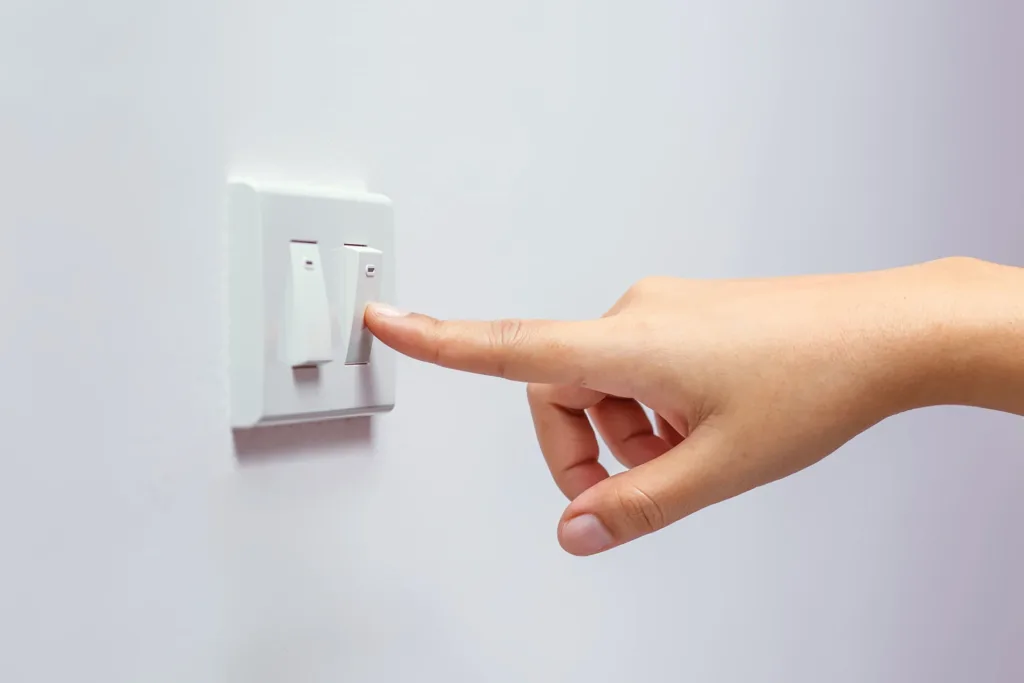
Electric heaters are among the highest consumers in UK homes. Using them only when necessary — and ensuring they’re regulated by thermostats — cuts avoidable spikes. The same applies to electric underfloor systems and towel rails. Simple timers can dramatically improve control.
Involving the whole household or team
In shared environments, energy savings require cooperation. Encouraging teams to power down equipment or families to switch off lights when leaving a room builds a culture of conscious usage. Visual reminders, such as labels or shared app access, support these efforts over time.
FAQs
What’s the best first step to improve energy efficiency at home?
Begin with lighting. LEDs are affordable, reliable, and compatible with most existing fittings. You’ll see a difference on your next energy bill.
Do smart devices really lower electricity bills?
Yes. They allow for tighter control, visibility, and automation, helping you avoid accidental overuse and respond quickly when something is drawing more power than expected.
Is it worth upgrading old consumer units for efficiency?
Definitely. New boards reduce passive energy losses, increase compatibility with efficient systems, and improve overall safety.
Conclusion
Electrical energy efficiency is about removing waste — not functionality. With the right planning, homes and workplaces can become more economical, safer, and better equipped for future needs. The tools and technologies now available offer immediate savings and long-term flexibility, especially as the UK grid moves further toward renewable integration.
At Wave Electrical Solutions, we work with both domestic and commercial clients to deliver efficiency improvements that make sense — financially and practically. If you’re ready to rethink your electrical setup or planning a business-wide review, we’re here to help you start smart and finish safer.
To learn how we approach efficient design for businesses, visit our article on setting up a safe and efficient electrical system.