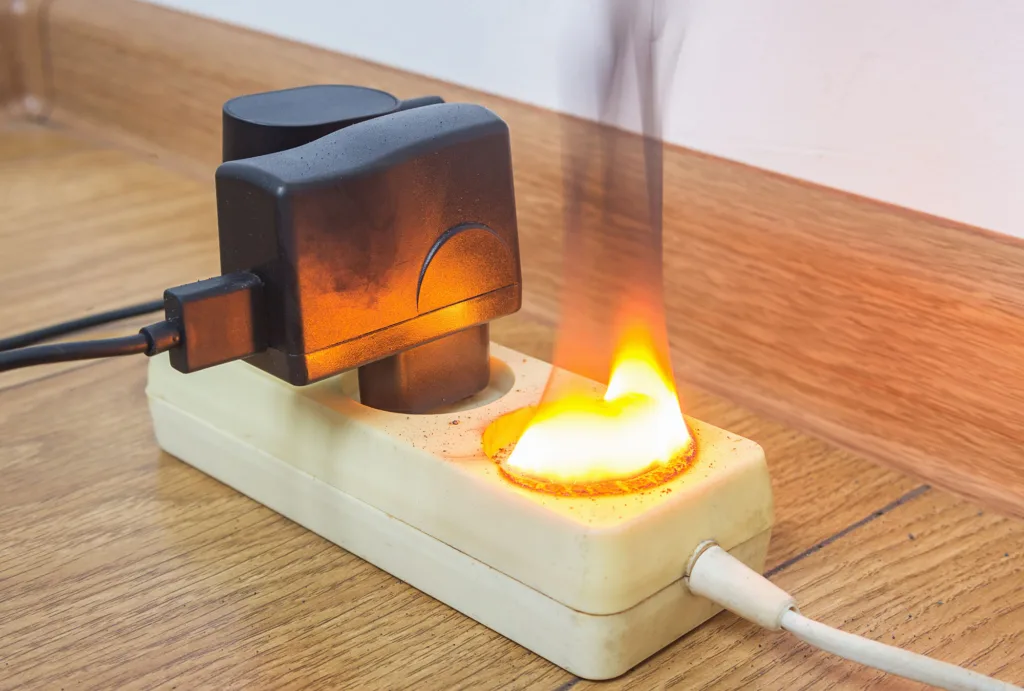
Electrical faults are rarely polite enough to show up at convenient times. One moment everything’s fine, and the next, half your home has gone dark or an outlet starts humming. What follows is a frustrating guessing game—unless you’ve got a professional on hand. When it comes to locating and repairing faults in domestic electrical systems, relying on experienced fault-finding specialists isn’t just a good idea—it’s essential for safety, efficiency, and long-term peace of mind.
Whether it’s an unexplained power loss or a circuit that keeps tripping, skilled diagnostics can save time and prevent unnecessary replacements. With proper tools and technical know-how, an expert can quickly identify the cause and suggest the best solution—no guesswork, no prolonged disruption.
If you’re dealing with persistent electrical issues, consider speaking to a trusted local team: Wave Electrical Solutions fault finding service.
Electrical Faults in Domestic Settings
Common Electrical Fault Signs
Electrical faults can show themselves in subtle or startling ways. Flickering lights might just seem annoying, but they can indicate a loose connection or voltage issue. Sockets that stop working could be down to a tripped breaker, but sometimes they’re signs of deeper issues like degraded wiring or an overload.
Frequent tripping of circuit breakers or RCDs is another big red flag. While these devices are there for protection, they shouldn’t be cutting off power repeatedly under normal use. If that’s happening, there’s likely a fault in one of the connected circuits or appliances drawing current. Buzzing noises, burning smells, or slight shocks from switches are all serious signs that demand immediate inspection.
Why Faults Shouldn’t Be Ignored
It’s tempting to treat an occasional flicker or trip as something minor, especially if resetting the breaker seems to ‘solve’ it. But that’s like resetting a smoke alarm every time it goes off—without checking for fire. Faults can indicate wiring damage, overheating components, or insulation breakdowns. Left unchecked, they pose real risks: fires, electric shocks, or full system failures.
Even intermittent issues can be dangerous. A loose wire might not trip a breaker today, but it could arc and overheat tomorrow. That’s why specialists always recommend thorough testing at the first sign of trouble.
What Does Professional Fault Finding Involve?
Step-by-Step Diagnosis
Fault finding isn’t a guessing game—at least not when done professionally. Electricians follow a structured process that starts with a discussion: when did the issue start, what happens, and how often? From there, they inspect the electrical layout and begin testing systematically. This could mean isolating parts of a circuit, disconnecting certain devices, or measuring voltages at various points.
It’s all about narrowing down the source. For instance, if a socket isn’t working, the electrician may check continuity across the entire radial circuit to locate a break. Each test builds on the last until the root of the problem is found. Unlike trial-and-error tinkering, expert diagnostics use logic, experience, and precise data.
Key Tools and Techniques Used by Experts
Professional electricians come equipped with much more than a screwdriver. Multifunction testers are standard gear—these can measure insulation resistance, loop impedance, continuity, and RCD functionality all in one device. Thermal cameras may also be used to spot overheating connections, and in some advanced cases, oscilloscopes can trace erratic voltage patterns.
These tools, combined with the knowledge of UK wiring regulations (BS 7671), allow professionals to diagnose faults quickly and accurately. Rather than tearing open walls or rewiring blindly, they pinpoint the issue and fix only what’s needed.
Difference Between DIY Checks and Certified Testing
A homeowner might test a faulty plug socket by plugging in another appliance or flipping the breaker back on. While this might bring temporary relief, it doesn’t solve the underlying problem—and it could hide a dangerous fault waiting to resurface.
Certified electricians go beyond surface checks. They ensure that wiring is not only functional but also safe, meeting legal standards. They’ll issue testing results, and in many cases, provide an Electrical Installation Condition Report (EICR) if required. These records aren’t just useful—they’re often necessary for insurance or landlord compliance.

Types of Electrical Faults Specialists Handle
Ring and Radial Circuit Issues
Understanding how UK circuits are structured helps explain why certain faults are tricky. In a ring circuit, a break anywhere affects the whole loop—yet some sockets may still appear to work, misleading anyone not properly testing. Radial circuits, more straightforward in layout, can suffer from overloading or single-point failures.
Specialists know how to identify whether a ring circuit has an open connection or if a radial has a high-resistance joint. They’ll test continuity around the entire ring and between conductors to detect anomalies, ensuring every section is safe and functioning.
Earth Faults and Short Circuits
One of the more dangerous fault types, an earth fault occurs when a live wire touches an earth path—like a metal casing or the earth conductor itself. This can cause an RCD to trip instantly or, in worse cases, leave the appliance casing live.
Short circuits, meanwhile, occur when live and neutral wires touch directly, bypassing the intended load. Both faults generate heat and can start fires if not resolved swiftly. Experts use insulation resistance testing to locate these issues before they escalate.
Intermittent Power Loss
Perhaps the most frustrating category, intermittent faults don’t always show up when you’re looking for them. A loose terminal might cause flickering only when a certain appliance is used, or thermal expansion might disrupt a connection only when heated.
Trained electricians rely on methodical testing, environmental awareness, and, sometimes, temporary monitoring setups to track these elusive issues down. This is where experience truly makes a difference.
The Value of Hiring a Qualified Electrician
Speed and Accuracy in Diagnostics
Fault finding is part science, part art. Experienced electricians can often identify fault patterns within minutes—what might take a layperson hours or days. By quickly isolating the issue, they reduce unnecessary guesswork, minimising both disruption and cost.
A skilled professional will not only find the fault but explain it clearly, advise on the solution, and carry out the repair in a way that leaves your installation compliant and safe.
Safety and Compliance
UK electrical systems are governed by strict standards, particularly the IET Wiring Regulations (BS 7671). Any repairs or alterations made must adhere to these rules, especially where safety devices like RCDs or RCBOs are concerned.
A licensed electrician ensures your system is not just functioning but legally compliant. For landlords or property managers, this can be vital when it comes to EICR inspections and tenant safety.
Real-Life Case in Truro
To see this in practice, take a look at this fault finding project completed in Truro. A persistent power issue was traced back to damaged wiring hidden behind plaster. Thanks to thorough testing and expert knowledge, the fault was safely repaired with minimal disruption.
How to Choose the Right Fault-Finding Service
Credentials and Certifications to Look For
When hiring a fault-finding specialist, always look for evidence of training and accreditation. Memberships with NICEIC, NAPIT, or ELECSA indicate an electrician meets recognised standards. They should also hold Part P certification if working on domestic installations.
Questions to Ask Before Hiring
- Have you handled similar faults recently?
- Do you offer written test results?
- Are you insured and compliant with BS 7671?
- What tools will you be using to diagnose the issue?
The answers will tell you whether they’re prepared for the job or just winging it.
Local, Reputable Providers
At Wave Electrical Solutions, we specialise in fast, accurate diagnostics and reliable repairs. With years of experience working on domestic and commercial installations, we understand the urgency and safety risks that faults present. Our engineers are fully trained, NICEIC-certified, and equipped with the latest diagnostic tools to ensure your electrics are back in top shape swiftly and safely.
Explore our electrical fault finding service to learn how we can help.
FAQs About Electrical Fault Finding
How long does fault finding take?
The time varies depending on the complexity. Simple faults may take 30 minutes, while complex, hidden wiring issues might take several hours. Professionals work systematically to avoid delays.
Can an electrician fix the issue on the same day?
Often, yes. If the fault is diagnosed quickly and parts are available, most can be resolved during the same visit. For more extensive problems, the repair may be scheduled for a follow-up.
Is it safe to reset a tripped breaker myself?
If it trips only once, resetting might be harmless. But repeated trips mean something’s wrong. In that case, it’s safer to call an electrician rather than risk further damage or fire.
Conclusion
Electrical faults aren’t just a nuisance—they’re a safety issue. Having our qualified team investigate and resolve the problem ensures your home or business remains safe, functional, and compliant. Even seemingly minor signs can point to deeper issues that only proper testing can reveal.
Don’t take chances—contact Wave Electrical Solutions today for trusted, local expertise. Whether it’s a flickering light, a tripping breaker, or something more complex, we’ll get to the root of it quickly and safely.
Book your inspection now via our contact page.