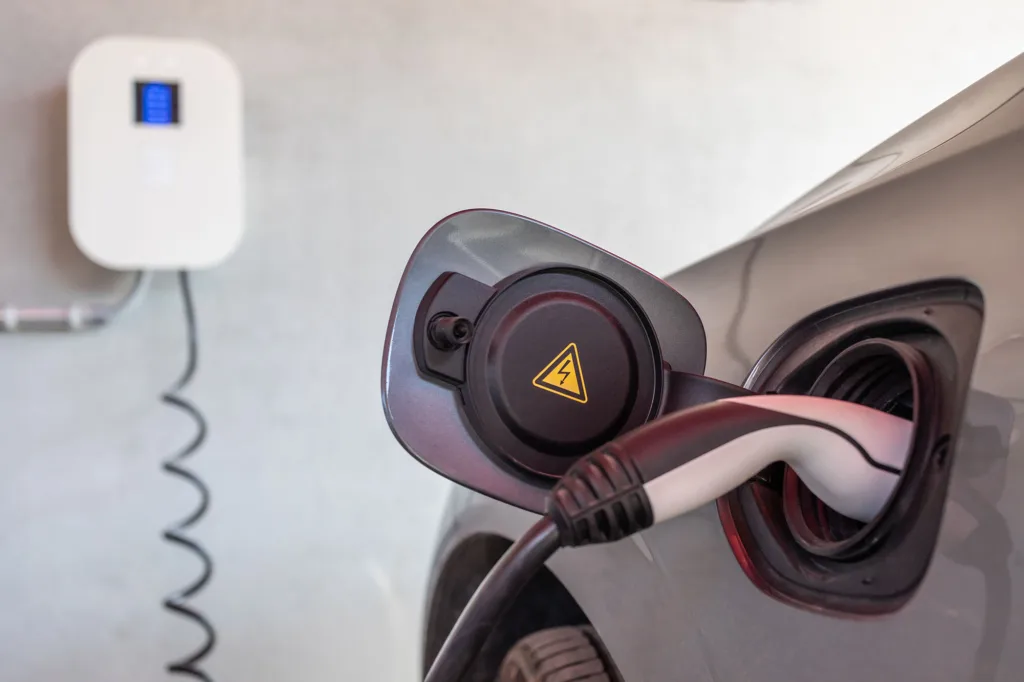
The number of electric vehicles (EVs) on UK roads is increasing every year, but the charging infrastructure still struggles to keep up. While public chargers are expanding, they’re not always reliable, and queuing for a charge can be frustrating. Imagine waking up every morning to a fully charged car, never having to plan your route around charging stations again. That’s the convenience of a home EV charging point.
Charging at home isn’t just about convenience; it’s also about cost savings and efficiency. Public fast chargers can be expensive, whereas home charging allows you to take advantage of lower off-peak electricity rates. Plus, installing your own charge point ensures your vehicle is always ready to go, without last-minute detours to find an available charger.
This guide breaks down everything you need to know about home EV charging, including installation requirements, costs, and how to choose the right charger for your home.
Why Install a Home EV Charger?
With more drivers making the switch to electric, having a home EV charger is becoming essential rather than just an added convenience. Here’s why:
- No reliance on public chargers – Skip the queues and the hassle of finding a working charger.
- Lower charging costs – Off-peak electricity rates can save you hundreds per year.
- Increased home value – Properties with EV chargers are more attractive to future buyers.
Some EV owners may wonder if installing a home charge point is necessary. For a detailed breakdown of the benefits, check out this guide on whether you need a home charger.
Types of Home EV Chargers
3-Pin Plug Charging – The Slow Option
While every EV owner technically has the ability to charge using a standard 3-pin household plug, this method is slow and inefficient. Charging via a regular socket can take over 24 hours for a full charge, making it impractical for daily use. More importantly, household sockets aren’t designed for continuous high-power draw, increasing the risk of overheating.
Dedicated Home Charging Points – Faster & Safer
A proper EV charge point is designed to handle higher loads safely, reducing charging time significantly. A 7kW home charger can fully charge most EVs in 6-8 hours, making overnight charging practical. Faster 22kW chargers are available, but they require a three-phase electricity supply, which most UK homes don’t have.
Tethered vs Untethered Chargers – Which is Best?
- Tethered chargers come with a fixed cable, meaning you don’t need to unpack and plug in your own.
- Untethered chargers allow you to use different cables, making them more flexible but requiring more effort each time you charge.
How to Prepare Your Home for an EV Charger
Checking Electrical Capacity & Fuse Box
Your home’s electrical system needs to handle the extra load of an EV charger. Most modern homes can support a 7kW charger without issue, but older properties may need a consumer unit upgrade. A certified electrician will assess whether your fuse box and wiring can support the installation.
Choosing the Right Charging Location
The charger should be placed where it’s easily accessible and safe from environmental damage. Ideally, it should be within reach of your driveway or garage while ensuring cables don’t create a trip hazard.
Assessing Wi-Fi & Smart Charging Features
Many modern chargers come with smart features, allowing you to schedule charging during off-peak hours and monitor energy consumption remotely. A strong Wi-Fi connection is essential for these functionalities.

EV Charger Installation Process in the UK
Finding a Certified Installer
EV charger installation isn’t a DIY job—it requires a qualified electrician familiar with UK safety regulations. Using an accredited installer ensures compliance with Part P building regulations and BS 7671 wiring standards. If you’re ready to install a charge point, you can contact Wave Electrical Solutions for expert guidance.
Cost Breakdown & Grants Available
- A 7kW home charger typically costs between £500 – £1,000, depending on the brand and features.
- Installation fees range from £300 – £600, depending on wiring complexity.
- The EV Homecharge Scheme (EVHS) provides up to £350 towards the cost of a charger (UK Gov EVHS Info).
What to Expect on Installation Day
Your installer will:
- Assess your home’s electrical system and fit an isolation switch if required.
- Install the charger on a suitable wall, usually near your parking space.
- Test the unit to ensure it’s functioning correctly.
- Provide a demonstration on how to use and maintain it.
UK Regulations & Safety Considerations
- RCD Protection: All home chargers must have residual current device (RCD) protection to prevent electrical faults.
- Surge Protection: Newer regulations require surge protection devices (SPDs) to prevent damage from power fluctuations (18th Edition IET Wiring Regulations).
- Minimum Mounting Height: Chargers must be installed at least 750mm from the ground for safety.
FAQs
Do I need a permit to install a home charger?
No special permit is needed, but the installation must comply with UK building and wiring regulations. If you live in a leasehold property or rented accommodation, you may need landlord permission.
Can I use a regular 3-pin socket instead?
Technically, yes—but it’s not recommended due to the slow charging speed and potential overheating risks. A dedicated EV charger is far safer and more efficient.
Are smart chargers worth the investment?
Yes. Smart chargers allow automated off-peak charging, integrate with solar panels, and provide remote monitoring via apps. They’re especially beneficial for saving on electricity costs.
Concluding Thoughts
Installing a home EV charging point is a game-changer for electric vehicle ownership. It offers cost savings, convenience, and long-term value, ensuring your car is always ready to go. By choosing the right charger and a certified installer, you can future-proof your home for the growing EV market.
For professional installation services and expert advice, visit Wave Electrical Solutions today.