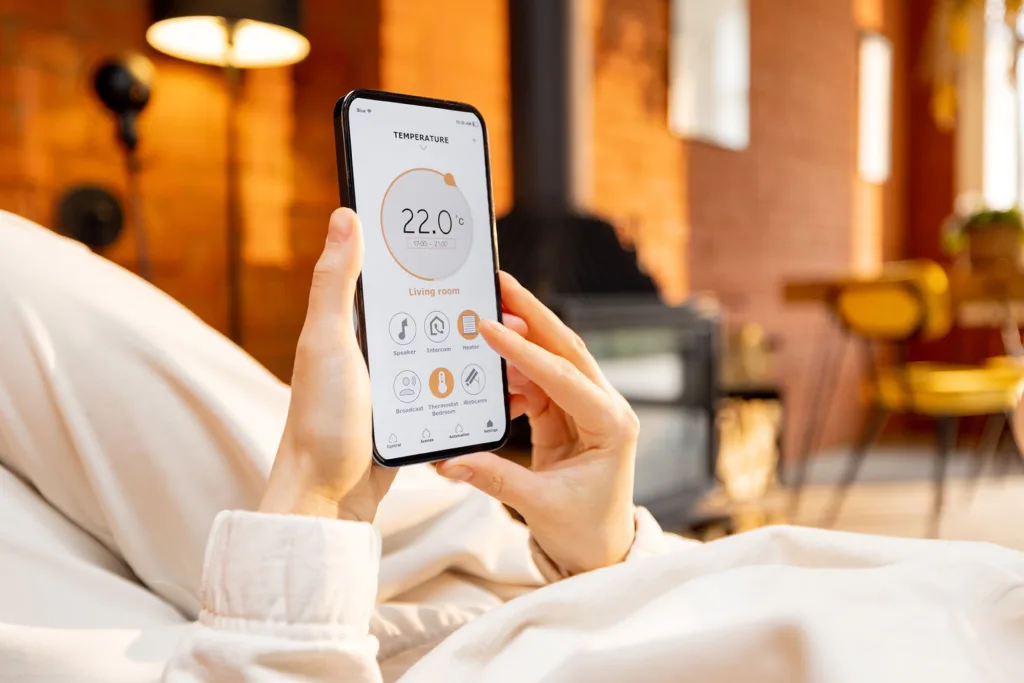
Controlling your home’s heating from your smartphone isn’t a futuristic luxury anymore—it’s a practical choice for UK homeowners wanting to cut energy bills and simplify daily life. With the rising cost of gas and electricity, people are looking for smarter, more efficient ways to heat their homes. That’s where remote central heating control comes in.
Smart heating systems allow you to manage your home’s temperature from anywhere, at any time. Whether you’re returning home from work earlier than expected or staying out longer than planned, you can adjust your heating to suit your schedule. These systems don’t just offer remote convenience—they come packed with energy-saving features that can reduce waste and improve comfort. But before making the switch, it’s important to understand what’s required, how the systems work, and what features to look out for.
Here’s everything you need to know to take control of your central heating—remotely and efficiently.
Why Remote Heating Control Matters
Cost-saving & Energy Efficiency
One of the biggest advantages of smart heating is its ability to reduce waste and save money. Traditional systems heat your home on a fixed schedule, regardless of whether you’re there or not. Smart systems respond to your actual habits, meaning you’re only using energy when it’s really needed. Many users report noticeable drops in their monthly energy bills, especially during the winter months.
Comfort & Convenience Benefits
Ever forgotten to turn the heating off before heading out? Or wanted the house warm before you get back in? Smart heating puts an end to those worries. With mobile apps, you can adjust your heating instantly—no matter where you are. Plus, voice control integration with devices like Alexa or Google Assistant makes it even easier to adjust settings hands-free.
Environmental Impact in the UK Context
Energy-efficient heating doesn’t just benefit your wallet—it’s better for the environment too. The UK government has set targets to cut carbon emissions, and reducing household energy use plays a big role in that. Smart thermostats and connected controls help you do your part by using less energy and heating more intelligently.
System Requirements Before You Begin
Central Heating and Boiler Compatibility
Before you invest in smart heating, check if your current system is compatible. Most modern combi, system, and regular boilers work with smart thermostats, but older models might need an upgrade. If your boiler supports standard on/off commands or OpenTherm technology, you’re likely good to go.
Internet Connectivity and Wi-Fi Range
A reliable broadband connection is essential. Your thermostat needs to stay connected to your home Wi-Fi to communicate with the app. If your router is too far from your boiler or thermostat, you may need a Wi-Fi extender to ensure a stable link.
Smart Thermostat vs Programmer vs TRVs
- Smart thermostats give you centralised control and can adjust based on your habits.
- Smart programmers allow for detailed scheduling of heating times.
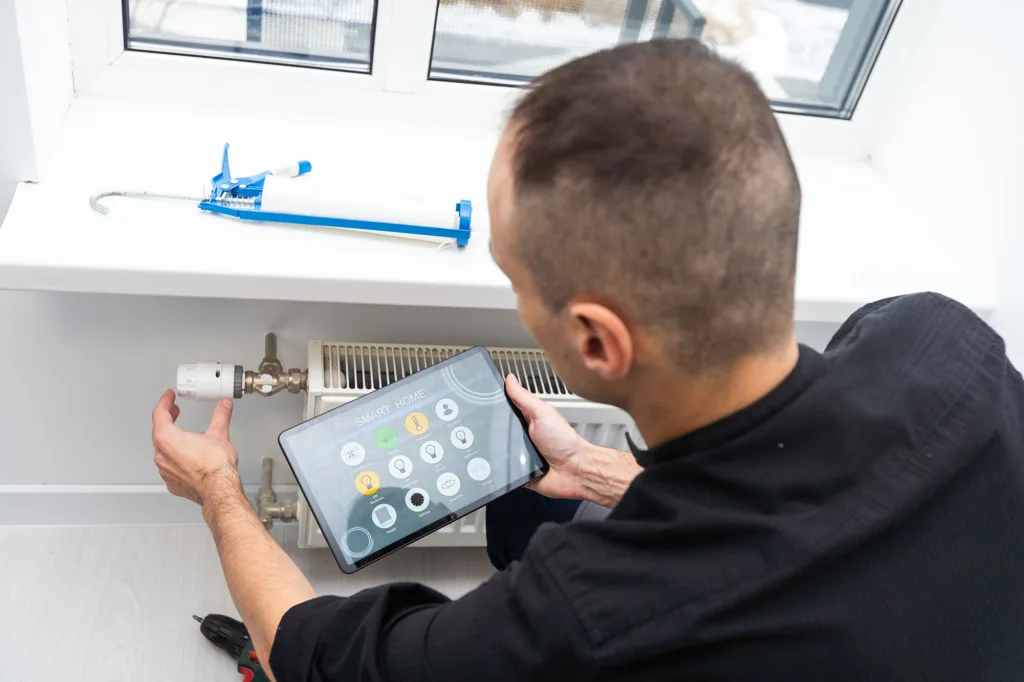
- Smart TRVs (Thermostatic Radiator Valves) provide room-by-room control, ideal for zoned heating.
The right combination depends on your home layout and what level of control you want.
Key Control Features Explained
Mobile App Control & Scheduling
The backbone of remote heating control is the app. These apps allow you to create heating schedules, monitor real-time temperatures, and manually adjust settings as needed. Most apps also provide push notifications for system updates or unusual activity.
Smart Modes (Eco, Comfort, Away)
Modern systems come with preset modes designed to optimise performance:
- Eco mode maintains a lower temperature to save energy.
- Comfort mode keeps rooms at your preferred warmth.
- Away mode reduces heating while you’re out, then boosts it before you return.
These modes simplify control and reduce the need for constant manual changes.
Learning Algorithms, Geofencing, Presence Sensors
Some advanced systems use learning algorithms to adapt to your habits. Others use geofencing to detect when you leave or approach home, adjusting the heating accordingly. Presence sensors in key rooms also help trigger heat only when someone’s around, avoiding unnecessary usage.
Integration with Voice Assistants
Smart heating systems increasingly work with Amazon Alexa, Google Assistant, and Apple HomeKit. This lets you change temperature settings with voice commands—a small but useful perk when your hands are full or you’re settled in.
Installation Considerations
Do I Need a Qualified Engineer?
While some smart thermostats offer DIY installation kits, it’s usually best to get a qualified engineer—especially for systems that interact directly with your boiler or require rewiring. UK regulations, including Part P of the Building Regulations, govern electrical installations in homes. This means any alterations to fixed wiring, such as installing a thermostat receiver near your consumer unit, must be done safely and often needs to be certified.
For gas boilers, it’s essential that any work on the heating system is carried out by a Gas Safe registered engineer. This ensures safety and compliance with UK law. Choosing a reputable installer also means your system is set up correctly, ensuring it performs as expected from day one.
Positioning Thermostats & TRVs for Best Performance
Smart thermostats and TRVs rely on accurate readings to work efficiently. Avoid placing the main thermostat in direct sunlight, near radiators, or close to doors or windows where drafts can affect readings. Smart TRVs should be installed on radiators in rooms where temperature control is most important, such as bedrooms and lounges, giving you tailored heating across your home.
Boiler Servicing & Ongoing Maintenance
Installing smart heating doesn’t mean your boiler can be neglected. Regular servicing is still important to ensure it runs efficiently and safely. In fact, smart systems can sometimes flag issues early, prompting timely checks. Keeping your boiler in good shape will also help your smart heating system deliver reliable performance over time.
How to Manage System via App
Setting Up Schedules Remotely
Once installed, the app becomes your central hub. You can create detailed heating schedules for each day of the week. For example, you might want the house to start warming at 6 am on weekdays, but stay off until 8 am at the weekend. With smart systems, these adjustments can be made instantly, from anywhere.
Using Smart Modes & Detecting Open Windows
Smart heating apps often include features like open‑window detection, which turns off heating in a room if a sudden temperature drop is sensed. This avoids wasting energy when you’ve forgotten the window’s open. Modes like “Away” or “Holiday” help manage the system while you’re travelling—either turning the heating down or setting it to activate just before you return.
Monitoring Energy Use & Insights
Some apps provide insights into your heating patterns and energy consumption. This lets you see which rooms use the most energy, which times of day see the most demand, and where savings could be made. It’s a useful tool for budgeting and for fine-tuning your comfort levels without overspending.
Cost Considerations
Kit Prices (Smart Thermostat, TRVs, Hub)
Basic smart thermostat kits start at around £150–£250, depending on brand and features. If you want multi-room control with smart TRVs, costs can rise quickly—TRVs often cost £50–£70 each. You may also need a central hub to connect everything, especially if using a system that doesn’t link directly to Wi-Fi.
Installation Cost vs Energy Bill Savings
Professional installation typically costs between £100 and £250, depending on the complexity of the job. While the upfront costs may seem steep, many homeowners see a return on investment through lower heating bills within a year or two. For a detailed look at costs and installation pricing, see our guide: How much does it cost to have a smart thermostat installed?
Regulatory and Safety Considerations
UK Building Regulations & Gas Safe Requirements
In the UK, electrical work associated with fixed installations—like smart heating—must comply with Building Regulations. Specifically, Part P covers electrical safety in dwellings. If your installation involves modifying fixed wiring (e.g. connecting a smart thermostat receiver to your consumer unit), it must be done safely and in some cases notified to building control.
When it comes to the boiler itself, any heating controls that connect to or alter the operation of your boiler must be installed by a Gas Safe registered engineer. This ensures safe operation, protects your home, and keeps you compliant with legal standards. You can confirm a tradesperson’s credentials at GasSafeRegister.co.uk.
Data Privacy: What Apps Collect and Store
Smart heating systems rely on user data to optimise performance. That includes your usage patterns, schedules, and in some cases, your location (for geofencing features). Most reputable manufacturers follow GDPR rules and encrypt data, but it’s worth reviewing the app’s privacy policy and settings to control what’s shared. You may be able to opt out of some tracking while retaining the core benefits.
Choosing the Right System for Your Home
Single‑Zone vs Multi‑Room Setups
A single-zone smart thermostat controls the entire home through one central temperature setting. This is often enough for smaller homes or flats. For larger houses or homes with varying room usage, a multi-room setup—using smart TRVs and zone thermostats—offers far greater control and efficiency.
Key Features to Compare
When choosing a system, consider:
- Learning features that adapt to your habits.
- Open-window detection for energy savings.
- Compatibility with your boiler and existing devices (especially if you use Alexa or Google Assistant).
- Zoning capabilities to avoid heating unused rooms.
Need expert help in selecting the right kit and ensuring safe, compliant installation? Explore our Smart Heating Controls service
Next Steps: From Enquiry to Installation
Assess Your Existing System & Wiring
Take stock of what you currently have. Is your boiler compatible with smart controls? Are your radiators fitted with TRVs? Do you have strong, consistent Wi-Fi where the thermostat will go? Answering these questions helps avoid surprises later on.
Speak to Wave Electricals for Tailored Advice
If you’re unsure, get in touch. We offer expert guidance to match the right system to your home’s setup, heating needs, and budget. Our team is fully qualified and up to date on all UK safety regulations.
FAQs
Can I retrofit smart heating to an old boiler?
In many cases, yes. Most combi and system boilers that support on/off control or OpenTherm can work with smart thermostats. If your boiler is very old or lacks digital connections, a minor upgrade may be needed.
What happens if my internet goes down?
Your heating won’t shut off entirely. Most smart thermostats have a manual override or retain the last set schedule. However, you won’t be able to control it remotely until your connection is restored.
How much can I save with smart heating?
Savings vary by household, but many users report reductions of 10–20% on annual heating bills. Efficient scheduling, zoning, and features like learning algorithms all help avoid wasted energy.
Conclusion
Smart heating puts control and efficiency right in your hands—literally. With the right system, you can improve comfort, lower your bills, and stay on the right side of UK regulations. But as with any home upgrade, getting the details right from the start makes all the difference.
Think about your home layout, your existing boiler, and how you use each room. Start small if needed—a single smart thermostat can make a big impact. And don’t forget ongoing boiler maintenance to keep things running smoothly.
For personalised advice and expert installation, visit Wave Electrical Solutions.