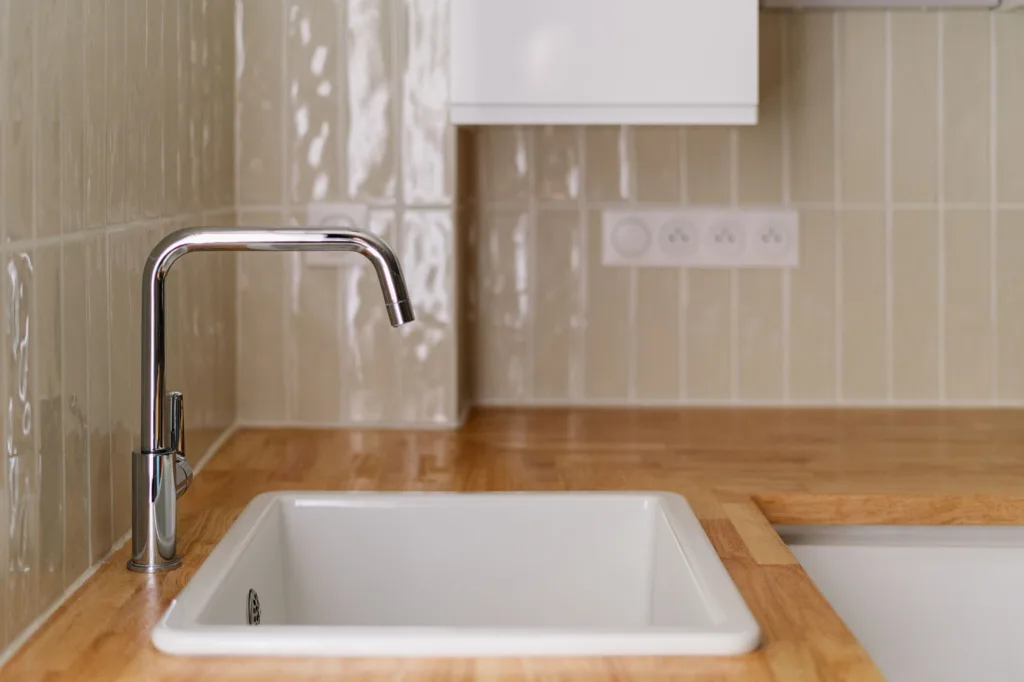
In the UK, the kitchen is statistically one of the most dangerous rooms in the home when it comes to electrical safety. A recent study by Electrical Safety First found that around half of all domestic electrical accidents occur in the kitchen, largely due to the proximity of water and electrics. Light switches may seem harmless compared to sockets or large appliances, but placing them too close to a sink introduces unnecessary risk. Even a minor splash can cause damage or increase the chance of an electric shock if the switch is not installed correctly.
The good news is that British Standards and building regulations provide clear guidance on safe switch placement, helping homeowners and electricians reduce hazards. Knowing the correct distance isn’t just about ticking a compliance box; it’s about protecting your household from potential accidents. Whether you’re planning a new kitchen, renovating an old one, or simply curious about your existing layout, understanding these rules is essential.
Why Kitchen Electrical Safety Matters
Water and electricity should never mix, yet in most households they sit side by side. Everyday tasks such as rinsing vegetables, draining pasta, or washing dishes create moisture and splashes that can easily travel beyond the sink. When electrical fittings like sockets or switches are placed too close, the chance of contact with water increases dramatically.
The risks include:
- Electric shocks, which can be severe even from a low current
- Short circuits that may damage appliances or wiring
- Fires caused by electrical faults triggered by moisture
According to government-approved guidance on electrical safety, installations in kitchens are classed as “special locations” due to the increased risks. This means stricter safety measures apply, including rules on the placement of switches and sockets.
It’s not only about preventing direct water contact. Steam and condensation are also significant factors in a kitchen environment. Over time, this can corrode contacts inside switches, leading to hidden faults that might only appear when the circuit is under load. Proper positioning, along with protective devices such as Residual Current Devices (RCDs), greatly reduces these dangers.
The key principle is straightforward: electrical fittings must be kept at a safe horizontal distance from sinks and draining boards to minimise exposure. Later sections of this guide will look closely at what the regulations say and how you can apply best practice when designing or upgrading your kitchen electrics.
UK Regulations and Standards
When it comes to installing or relocating a light switch in a kitchen, there is no guesswork involved. The rules are set out in the IET Wiring Regulations, BS 7671, and backed by Approved Document P of the Building Regulations. These documents provide the framework for safe electrical work across the UK, and compliance is a legal requirement for any new installation or significant alteration.
The most widely accepted rule for positioning sockets and switches near sinks is that they must be placed at least 30 centimetres horizontally from the edge of the sink or draining board. This clearance ensures that water splashes or spills cannot easily reach the electrical point, reducing the risk of shock or damage. While BS 7671 does not explicitly measure every kitchen fitting, this 30 cm guidance has become the recognised standard among professional electricians and is supported by bodies such as Electrical Safety First.
Another key regulation concerns Residual Current Devices (RCDs). All socket-outlets and lighting circuits in domestic kitchens must be RCD-protected. An RCD is designed to trip quickly in the event of a fault, preventing serious injury. In practice, this means that any light switch in the kitchen should be wired into a circuit with RCD protection, usually located in the consumer unit.
It is also important to remember that kitchens fall under the category of “special locations” in the Building Regulations. According to Approved Document P, work carried out in these areas must either be completed by a Part P registered electrician or be notified to local building control. This requirement exists to ensure that safety standards are maintained, as mistakes in these high-risk environments can have severe consequences.
In summary, the regulations require three things:
- A minimum 30 cm horizontal distance between sinks and switches.
- RCD protection for all kitchen circuits.
- Compliance with BS 7671 and Part P when carrying out electrical work.
Light Switch Placement in Kitchens
The placement of light switches in kitchens is about more than just meeting the minimum safety distance. It also needs to be practical, accessible, and in line with the overall layout of the room. A poorly positioned switch can be awkward to use, while one placed too close to water can be outright dangerous.
In most UK homes, switches are installed at a height of around 120 to 140 cm from the finished floor level, which keeps them within easy reach while avoiding unnecessary bending or stretching. This standard height works well in kitchens, provided that the switches are located outside the splash zones around sinks, draining boards, and hobs.
Where possible, switches should be positioned on walls away from wet areas. If a switch must be near a sink because of layout constraints, the 30 cm clearance rule applies, but additional protection can be considered. For example, using splash-proof or IP-rated fittings provides an extra safeguard against moisture, especially in smaller kitchens where space is limited.
Design considerations also play a role. A well-thought-out kitchen lighting scheme may include a combination of ceiling lights, under-cabinet lighting, and accent lighting. Grouping these controls into a single switch panel near the kitchen entrance is often the most convenient solution. It means lights can be controlled without reaching across worktops or going near water sources.
In modern kitchen designs, there’s also a growing trend of integrating lighting controls with smart home systems. While these offer touch panels or even voice activation, the same basic principle applies: any hardwired switch must be installed safely, with the correct distance from sinks and RCD protection.
Ultimately, safe and accessible switch placement is a balance between compliance with electrical regulations and everyday usability. Planning ahead with both factors in mind will result in a kitchen that is not only functional but also safe for long-term use.
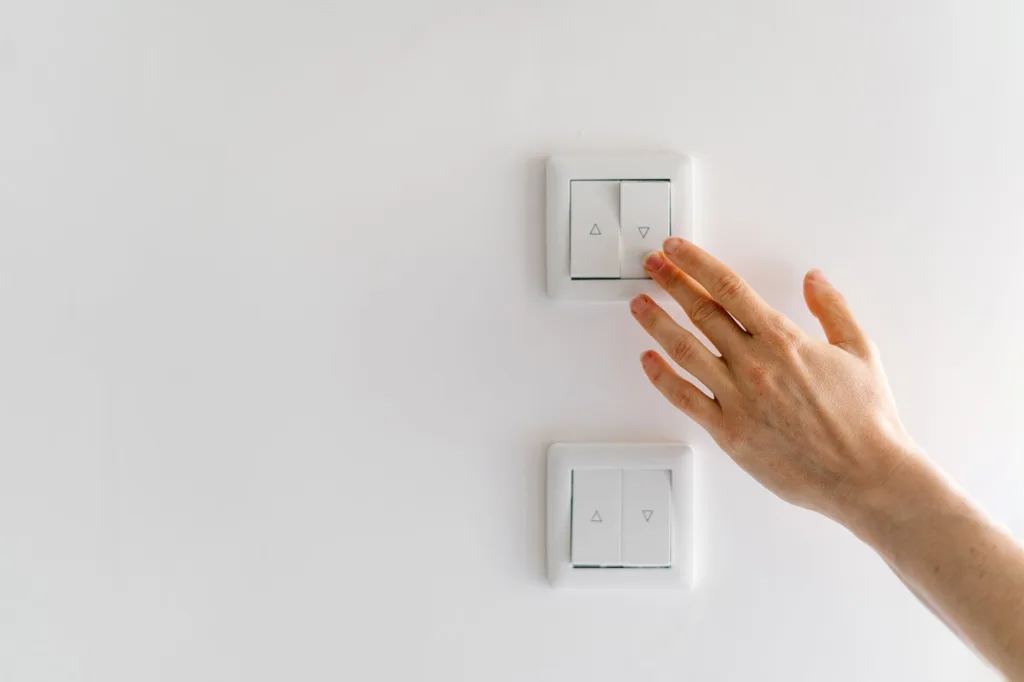
Best Practices for Installing Switches Near Sinks
Following regulations is the first step, but applying best practices ensures a kitchen installation is safe, convenient, and durable. The 30 cm clearance from sinks and draining boards is a minimum requirement, and many electricians recommend giving a little extra space where the layout allows. This prevents accidental splashes from reaching switches and sockets during busy cooking or cleaning tasks.
Where space is tight, extra safety measures are worth considering. Using splash-proof fittings with an IP44 or higher rating can provide added protection, especially near sinks or dishwashers. Although not a substitute for correct placement, these fittings are designed to withstand occasional exposure to moisture.
Practical layouts also matter. Switches should never be placed directly above a sink or hob, as steam and splashes can affect them over time. Instead, positioning switches at the end of a run of cabinets or near the kitchen entrance is a safer and more user-friendly solution. Grouping light switches together also avoids the need to stretch across worktops.
For larger projects such as a kitchen remodel, having a full electrical plan drawn up ensures compliance and convenience. A qualified electrician can advise on switch placement alongside sockets, appliance circuits, and lighting schemes. You can find expert support tailored to kitchen rewiring and upgrades through our Kitchen Electrics Service.
Additional Safety Measures
Switch placement is just one part of overall kitchen electrical safety. Another critical aspect is ensuring that circuits are properly protected.
- RCD Protection – All sockets and lighting circuits in a kitchen must be protected by an RCD, which trips instantly in the event of a fault. This significantly reduces the risk of serious injury.
- Circuit Design – Kitchens often combine ring circuits for sockets with radial circuits for appliances and lighting. Ensuring correct separation and adequate load handling prevents nuisance tripping and overheating.
- Regular Inspections – An Electrical Installation Condition Report (EICR) carried out every 5 to 10 years for homeowners, or every 5 years for rented properties, helps identify risks before they become hazards.
These additional measures, combined with thoughtful switch placement, create a kitchen that is both compliant with regulations and safe for everyday use.
Practical Tips for Homeowners and DIYers
Many homeowners wonder if they can carry out kitchen electrical work themselves. While some minor tasks are permitted, it is important to understand the limitations. Under Part P of the Building Regulations, most electrical work in kitchens is classed as “notifiable.” This means it must be either:
- Completed by a Part P registered electrician, or
- Reported to local building control before work begins.
Attempting major kitchen electrical work without approval is not only unsafe but could also affect home insurance and property resale. For simple upgrades such as under-cabinet lighting, DIY is possible provided the fittings are low-voltage and properly certified. For guidance, see our Cornwall Kitchen Lighting Tutorial.
For everything else, using a qualified electrician ensures compliance with BS 7671 and long-term safety. If you’re unsure, the safest step is always to consult a professional.
FAQs on Kitchen Switch Safety
Can I put a light switch directly above the sink?
No. Switches should never be placed directly above sinks or draining boards. Not only does this break the 30 cm clearance rule, but it also places the switch in a high-risk splash zone, increasing the chance of water contact.
What is the legal height for kitchen light switches in the UK?
There is no single “legal height,” but most switches are installed at 120 to 140 cm above the floor for ease of use. The key requirement is that switches must remain at least 30 cm horizontally away from sinks or draining boards.
Do all kitchen light switches need RCD protection?
Yes. Under the latest edition of BS 7671, both lighting and socket circuits in domestic kitchens require RCD protection. This provides a fast-acting safeguard against electrical faults.
Conclusion
The golden rule for kitchen switch safety is simple: keep all switches at least 30 cm away from sinks and draining boards, and ensure that every circuit is protected by an RCD. While this guidance may sound straightforward, the reality of kitchen design means careful planning is essential. Correct switch placement not only protects against electrical hazards but also improves everyday usability.
Homeowners planning a kitchen remodel or upgrade should think about safety and convenience together. Professional electricians can ensure compliance with BS 7671 while tailoring the layout to your needs. For long-term peace of mind, regular inspections and careful consideration of fittings are as important as following the distance rule itself.
If you are looking for expert support with your kitchen electrics, speak to the team at Wave Electrical Solutions for tailored advice and safe installations that comply with UK regulations.