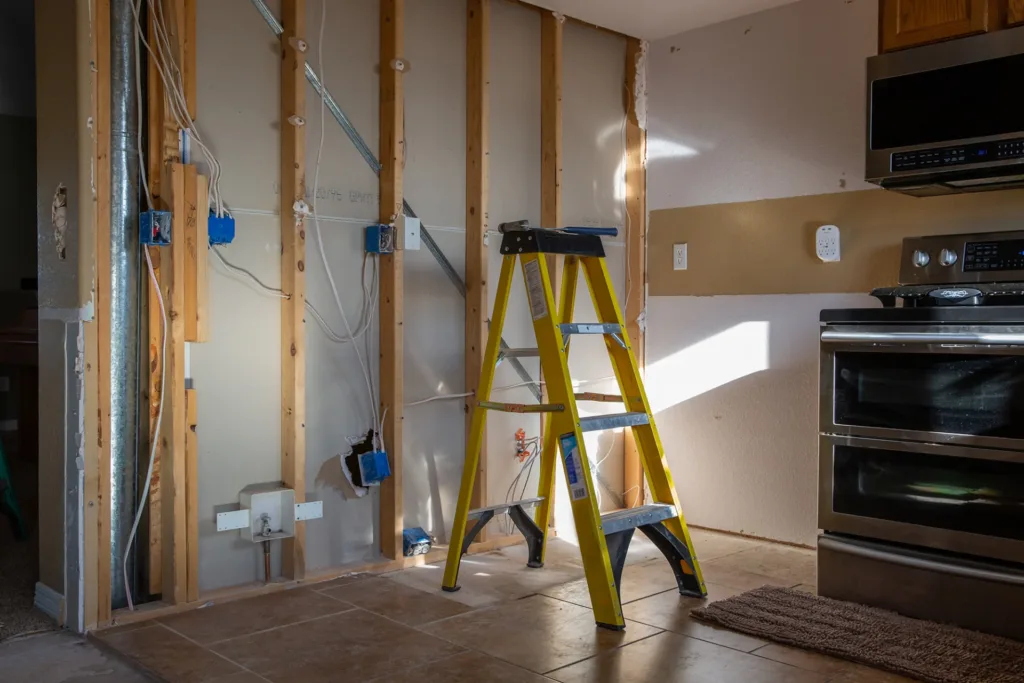
Rewiring a kitchen is one of the most important electrical projects in any home renovation. It’s rarely as simple as swapping out old cables. Kitchens demand high power for multiple appliances, layered lighting, and increasing smart technology. The right wiring layout ensures not only functionality but also safety—especially in rooms where heat, moisture and electricity mix. Yet homeowners are often surprised by how much kitchen rewiring costs and what those figures include. It’s not just the labour. Materials, access, regulations, and even the style of fixtures all play a part in the final price.
We’ve helped many clients prepare their kitchen projects with the right electrical layout from the start. Understanding the full picture means fewer delays, fewer cost overruns, and a much smoother installation.
Our team recently completed a full rewire and upgrade in Newquay where access and appliance spec made a significant difference to the scope. That’s why it pays to understand the details.
What kitchen rewiring really involves
Most kitchen rewires involve new circuits for major appliances, upgraded socket points, and a lighting refresh. In some homes, a rewire is triggered by renovation or extension work. In others, it’s a response to old or unsafe cabling that no longer meets modern load demands.
Typical work includes:
- Removing existing wiring and fitting new cabling runs
- Installing new socket points and fused spurs
- Adding circuits for ovens, hobs, dishwashers or boiling taps
- Upgrading lighting (task, plinth, pendant)
- Replacing or upgrading the consumer unit if needed
The finished result needs to meet the latest BS 7671 wiring regulations. That means every new point must be correctly earthed, RCD protected, and certified for safety. See our full breakdown of modern kitchen electrics
Average cost to rewire a kitchen in the UK
For most UK homes, the cost to rewire a kitchen typically ranges from £1,500 to £3,500. However, this figure is only a guideline. The actual total depends on room size, number of appliances, fixture choices and access conditions.
In our recent projects across Cornwall, we’ve seen the following breakdowns:
- Basic rewire with surface trunking: around £1,500–£2,000
- Mid-range rewire with concealed cables and LED lighting: £2,200–£2,800
- High-spec kitchen with multiple appliances and designer finishes: £3,000–£3,500
It’s also important to factor in the timing. Most kitchen rewires are carried out over 2 to 4 days, depending on prep and plastering.
Factors that affect kitchen rewiring costs
Size and layout of the kitchen
Smaller kitchens with standard appliance setups tend to fall at the lower end of the price range. Large or open-plan kitchens with island units, integrated appliances, or zones for utility space require more time, materials, and circuit planning.
Existing condition of wiring
Some kitchens still operate with wiring installed before the 2004 update to UK cable standards. If red-and-black cores are visible, a full rewire is usually required. Even homes wired post-2006 may need upgrades to meet RCD protection or cooker feed requirements.
Surface or chased installation
In finished kitchens, it may be necessary to run wiring in surface trunking to avoid wall damage. However, in most renovations, we chase cables into the walls and reinstate the plaster. While neater, this adds to labour time and may require follow-up by a decorator.
Type and number of appliances
Modern kitchens often include:
- Induction hobs or built-in ovens
- Warming drawers
- Wine fridges
- Dishwashers and washer-dryers
- Boiling water taps or waste disposal units
Each of these may require a separate circuit, especially if rated above 2kW. Load balancing across the consumer unit also becomes more complex. More details are covered on our kitchen electrics service page
Quality of fixtures and fittings
Basic rewires may include white plastic sockets and simple pendants. Mid- and high-end kitchens often feature:
- Brushed or matt metal sockets
- Pop-up charging points
- LED strip lighting
- Grid switch panels for zones
Higher-quality fittings carry longer installation times and often need additional components like drivers or transformers.
Labour and material breakdown
Typical labour charges
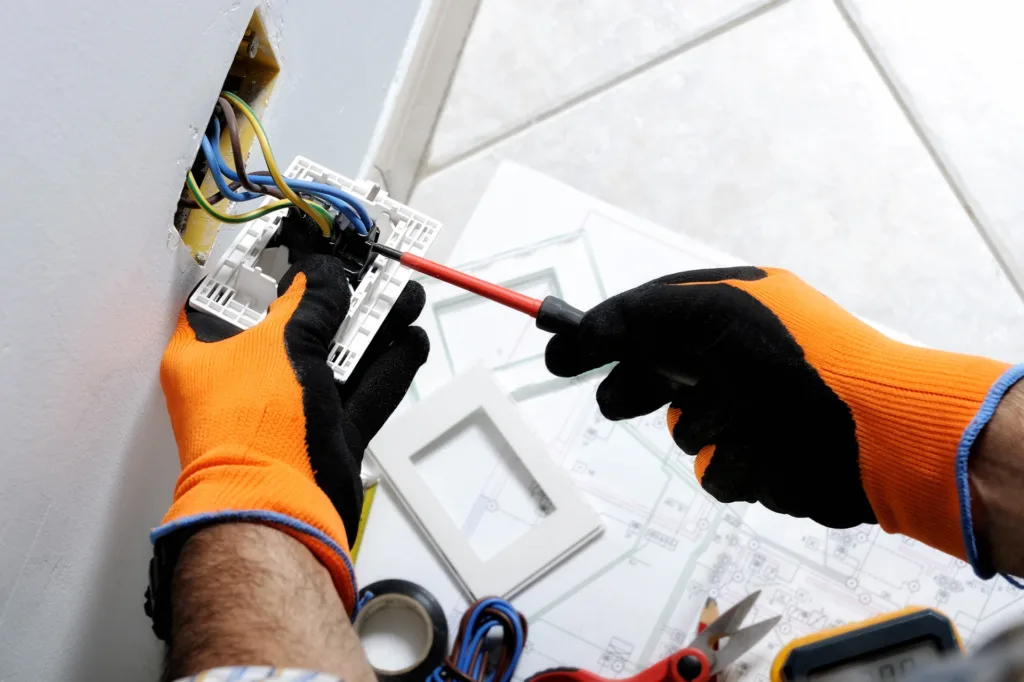
Across Cornwall and the wider South West, electricians typically charge between £250 and £350 per day. For a kitchen rewire, allow for 2 to 4 working days, depending on the extent of work and whether the space is cleared.
If plastering is needed, that may be priced separately or managed by another contractor.
Materials cost range
Material costs vary based on kitchen spec but typically range from £400 to £900, including:
- Twin and earth cabling
- Socket boxes and backplates
- Switches, fused spurs, and faceplates
- RCBOs or additional modules for consumer unit
- Junction boxes, flex outlets, and terminal blocks
A high-spec kitchen may also require LED drivers, smart controllers, and dimmable circuits, which raise the total.
Planning kitchen rewiring during renovations
For homeowners renovating from scratch, the kitchen rewire should ideally take place after plumbing but before final plastering or cabinetry. Working with the space clear of appliances and units not only speeds up the job but ensures neater results.
When working around existing kitchens, additional time is required to protect units, tilework, or finishes. In some cases, it may not be possible to chase cables without causing disruption.
Coordination between your kitchen fitter, builder, and electrician is key. Done right, this saves time and reduces the risk of needing costly alterations later.
Working to regulations and safety standards
All kitchen rewires must meet the latest requirements of BS 7671 and be signed off by a qualified electrician. The following are essential:
- RCD or RCBO protection on all circuits
- Correct cable ratings for appliance load
- Proper earthing and bonding
- Issued Electrical Installation Certificate
- Notification to building control where applicable
For official guidance on domestic wiring safety, visit Electrical Safety First
FAQs
How long does a kitchen rewire take?
A standard rewire takes between 2 and 4 days. Extra time may be needed for chased cabling, high-spec fixtures, or awkward access.
Do I need to rewire if I’m fitting a new kitchen?
Not always. If your current wiring is up to date and meets load requirements, minor adjustments may be enough. But most kitchen refits do need additional sockets and appliance circuits.
Can I use my kitchen while it’s being rewired?
You’ll likely be without power during the works, and surfaces may be open for cabling. We recommend planning meals ahead and treating the area as a building site until complete.
Conclusion
Kitchen rewiring is a specialist task that directly affects the function and safety of your home’s most used space. From load-balancing circuits to future-proofing for new tech, the right design saves hassle in the long run. With costs typically between £1,500 and £3,500, budgeting early—and understanding what that covers—makes all the difference.
If you’re starting a renovation or upgrading appliances, our team can provide a full kitchen electrics assessment, layout advice, and professional rewire service.