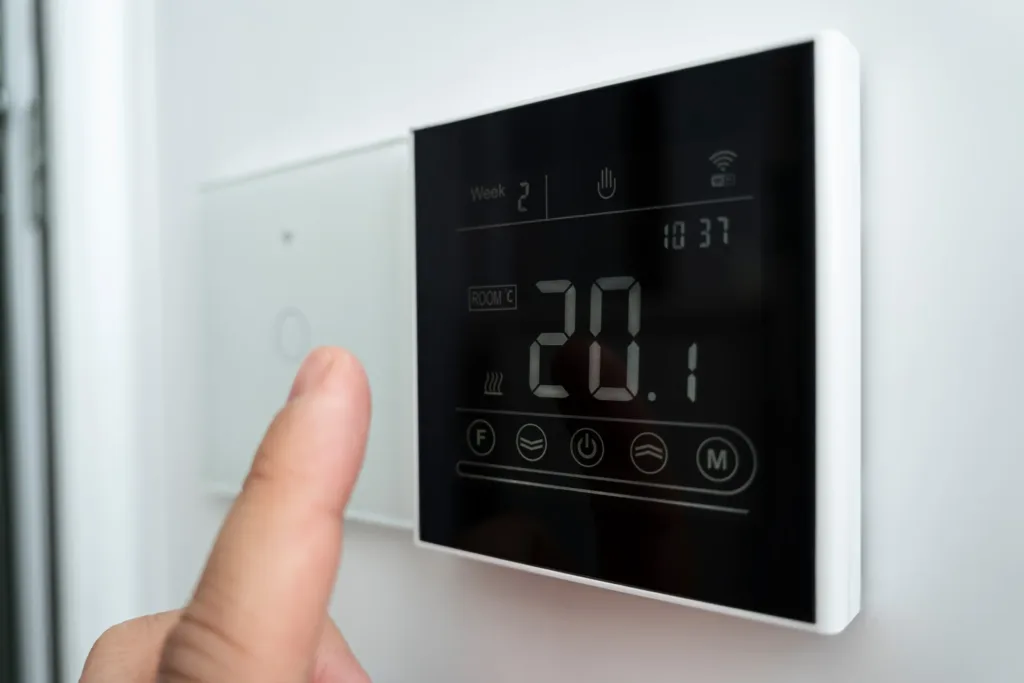
Energy consumption is a significant cost driver for commercial buildings, and it’s one that many organisations can no longer afford to ignore. The shift toward energy-efficient infrastructure is no longer optional — it’s being prompted by both rising operational costs and pressure to meet sustainability targets. One of the most effective ways businesses are reducing their heating bills is by introducing smart heating controls. These systems don’t require a full heating system replacement. Instead, they enhance existing setups with better control, automation, and real-time insight.
At Wave Electrical, we support businesses across Cornwall in upgrading their heating controls to work harder and smarter. From small offices to multi-zone commercial premises, our team delivers tailored installations that improve comfort while reducing overheads.
Smart controls help prevent unnecessary heating, adjust temperatures automatically, and log detailed usage data — putting building managers back in control. Many commercial buildings run heating unnecessarily because thermostat settings are either forgotten or overcompensated — a pattern we’ve previously examined in our review of how smart thermostats affect electricity usage.
Why Businesses Are Moving to Smart Heating
The Shift Towards Energy Intelligence
Rising gas prices and carbon targets are encouraging commercial property owners to take a closer look at how their heating systems perform. Office buildings, schools, shops and warehouses often suffer from inconsistent heat distribution and wasted energy. Smart heating controls allow these businesses to automate routines, limit heating to where and when it’s needed, and make evidence-based decisions on future upgrades.
In the UK, guidance from the Carbon Trust encourages the use of zoned and automated heating to reduce emissions from the built environment — particularly in non-domestic premises.
Benefits Beyond Cost
While the financial savings often justify the investment, smart controls bring broader benefits to the workplace. Consistent heating improves staff comfort and helps avoid complaints about cold spots. Automated systems also reduce manual intervention, meaning less day-to-day attention from facilities teams.
From a compliance standpoint, modern controls can assist with record-keeping and system diagnostics. Alerts for faults or abnormal energy use help avoid larger breakdowns, which can be costly for businesses relying on uninterrupted access to premises.
Zone Control: Heating by Use, Not Guesswork
Zoning Defined
Zone control divides a commercial heating system into separately managed sections. Instead of heating an entire building uniformly, areas are treated independently based on use. This could include separating office space from warehouse areas or dividing floors into wings with different schedules.
Zoning relies on thermostats, valves, and actuators configured to monitor and respond to localised temperatures.
Common Commercial Applications
- Open-plan offices split by working hours or department use
- Reception areas with shorter occupancy
- Conference rooms with scheduled bookings
- Retail units with different customer flow rates
- Storage areas needing only frost protection
Real Efficiency Gains
Heating an empty corridor or a rarely used storeroom adds up quickly over a heating season. Zoned systems prevent this by linking control to occupancy, ensuring energy is directed only where needed. Businesses typically see savings of 15–30% after introducing heating zones, especially when combined with smart timers and sensors.
Automation That Works With You
Timers, Sensors, and Schedules
Automation tools enable heating to follow your building’s actual usage pattern. Timers ensure systems switch on before opening hours and shut off reliably overnight. Movement sensors can respond to real-time occupancy, while temperature sensors maintain conditions within predefined limits.
Occupancy and Weather Response
Modern systems can adjust internal heating based on outdoor temperatures and room activity. Weather compensation features anticipate heat loss and adjust accordingly, reducing the need for staff to manually adjust thermostats. In commercial environments, this removes a common source of discomfort and waste.
Integration with Building Management Systems
For larger premises, smart heating controls can form part of an integrated Building Management System (BMS). This links lighting, ventilation, and heating into a unified control panel. Businesses gain a clearer picture of overall energy performance and can adjust systems centrally or by zone.
Monitoring and Control from Anywhere
Smart Dashboards
Live dashboards display system performance in real time, giving facilities managers a clear overview of what’s on, where, and for how long. It also helps identify inefficient routines or equipment faults before they become costly.
Mobile and Remote Access
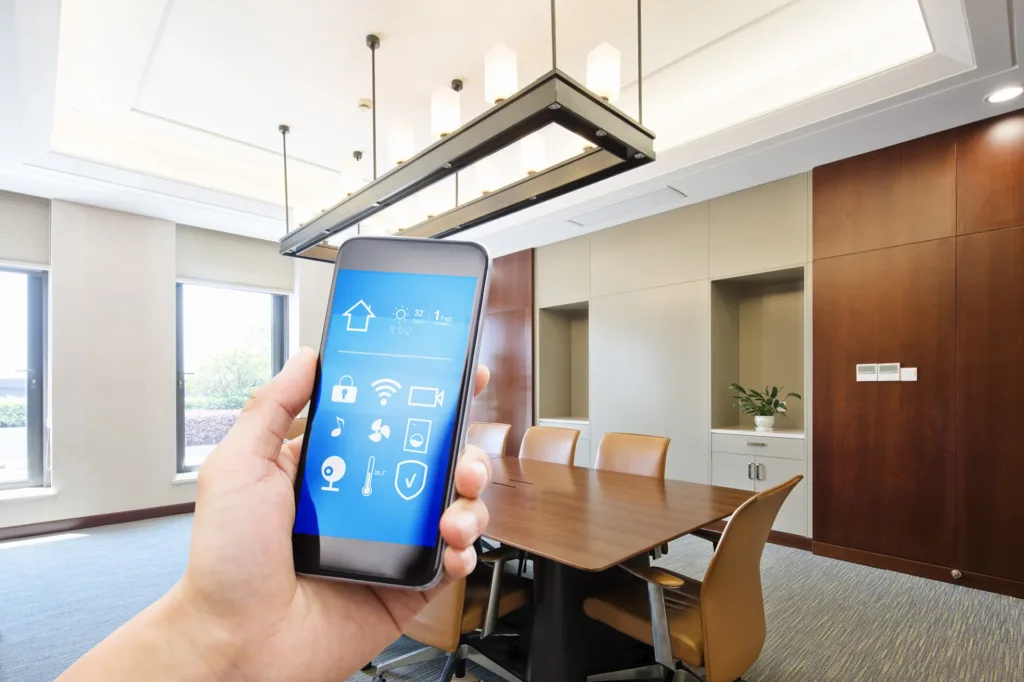
Web and mobile access allows building managers to adjust settings remotely. If someone forgets to turn off heating in an empty meeting room or a sudden temperature drop requires additional heating in a specific wing, changes can be made immediately without a site visit.
Data-Driven Decisions
Monthly reports and trend analysis allow decision-makers to compare usage over time, spot issues, and build a stronger case for upgrades. In shared buildings, usage logs also help allocate heating costs more fairly between tenants or departments.
We offer tailored installations of commercial smart heating controls that integrate with your existing heating infrastructure and deliver measurable efficiency improvements.
Choosing and Installing the Right System
Retrofitting vs Full Replacement
Smart heating controls are often compatible with existing boilers and pipework. Many businesses can retain their current setup, replacing only the control interfaces and thermostats. This makes smart upgrades one of the most accessible ways to improve energy efficiency without major capital expenditure.
Compatibility Checks
Before any installation, it’s important to assess how well a building’s heating infrastructure supports zone control. Some systems may need minor plumbing changes or updated actuators. Our team evaluates each site to ensure compatibility and recommend suitable control platforms.
Professional Setup Matters
Commercial heating control installation requires more than basic wiring. It involves planning control zones, configuring automation routines, and ensuring reliable connectivity. At Wave Electrical, we ensure that installations meet UK commercial wiring standards and comply with data protection requirements for smart access.
For detailed guidance, the Carbon Trust’s Heating, Ventilation and Air Conditioning guide is a useful resource for business owners planning upgrades
FAQs
How much can a business save with smart heating?
Savings depend on the building’s layout, usage patterns, and current system. Many businesses see reductions of 15–30% in annual heating bills after implementing smart zoning and automation.
Can smart heating be installed without replacing our boiler?
Yes. Most commercial systems can be upgraded with new controls while retaining existing boilers and pipework. This approach keeps disruption and cost to a minimum.
Is remote access secure?
When installed by professionals, remote heating systems use encrypted connections and secure authentication methods. They comply with data handling practices and can be safely managed by facilities teams or external contractors.
Conclusion
Smart heating controls help commercial properties manage energy use more efficiently and respond to how buildings are really used. With zoning, automation, and remote monitoring in place, businesses can reduce waste, improve comfort, and prepare for future regulations. Whether you’re upgrading an existing system or planning a more integrated setup, professional installation is essential.
For guidance on integrating smart controls into your commercial building, our team is ready to help via the Wave Electrical Solutions homepage.