In many homes across the UK, plastic consumer units have been quietly doing their job for years. As electrical systems evolve and safety regulations tighten, these older units are increasingly coming under scrutiny. Some homeowners wonder whether simply owning one is a breach of current standards. The short answer: no, it’s not illegal to have a plastic consumer unit. But the longer story involves changes in legislation, fire safety concerns, and a shift in what’s considered best practice.
Understanding where plastic consumer units stand under today’s wiring regulations helps clarify whether action is needed — and when. It also makes it easier to spot misleading advice.
What is a Consumer Unit and Why It Matters
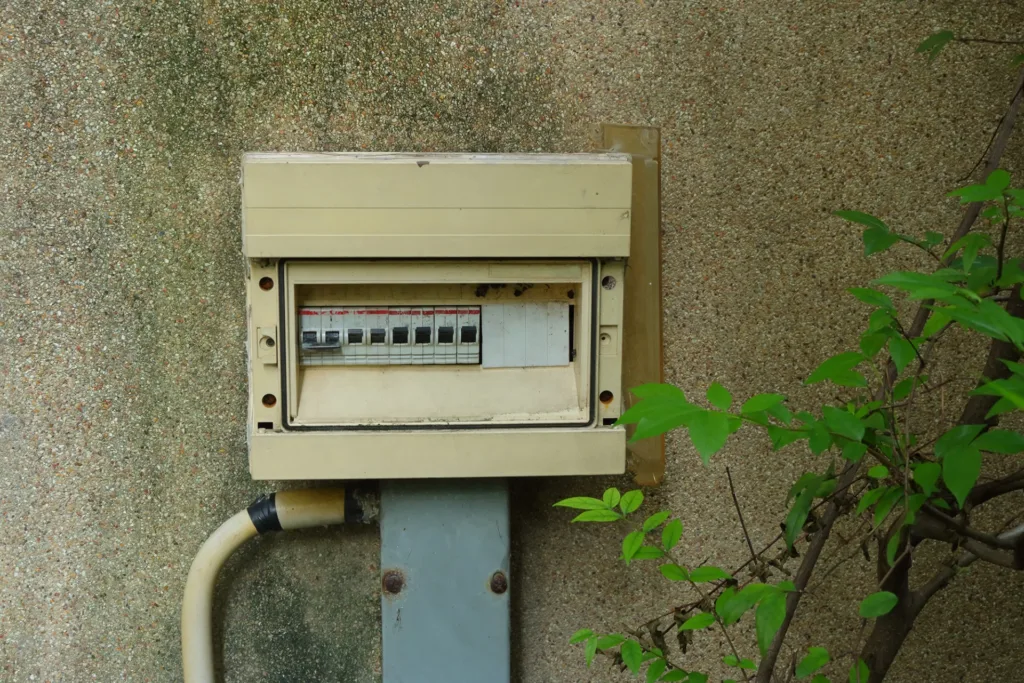
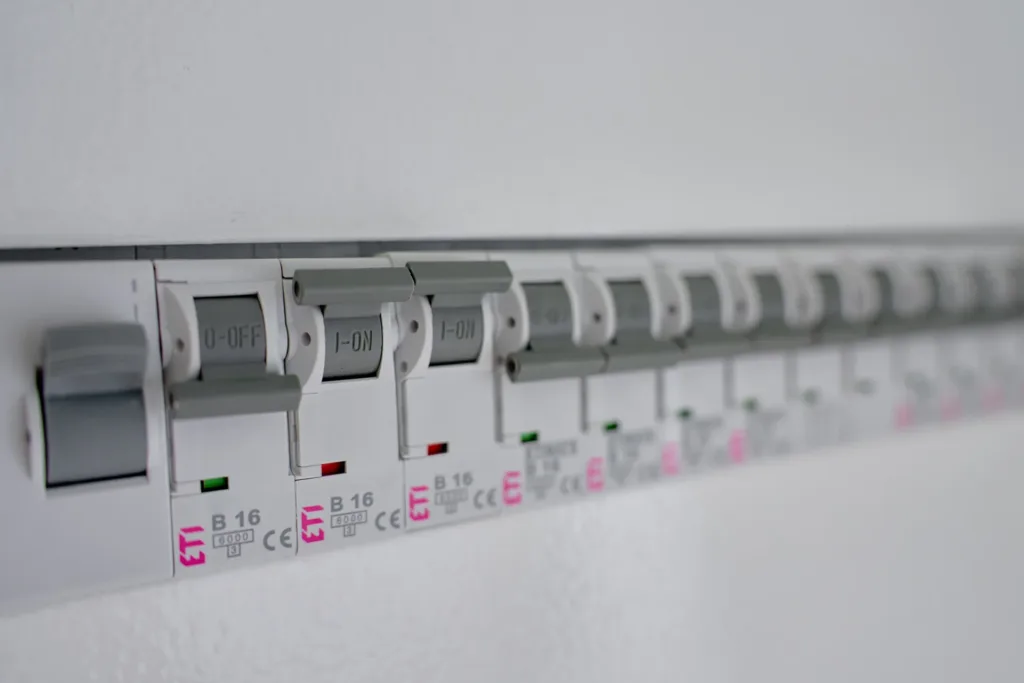
A consumer unit, often called a fuse board or distribution board, is the central point in a home’s electrical system. It distributes electricity to circuits, protects against overloads, and isolates power when needed. Inside the unit are miniature circuit breakers (MCBs), residual current devices (RCDs), and often RCBOs — all housed within an enclosure.
That enclosure used to be made of plastic as standard. Plastic was lightweight, affordable, and easy to install. But as data emerged around electrical fire risks, the industry began to reconsider whether these benefits outweighed the potential dangers.
We’ve covered the essential functions and maintenance requirements of consumer units in our earlier guide on how they work and what they need to stay safe.
The Shift from Plastic to Metal
In January 2016, Amendment 3 to the 17th Edition of the IET Wiring Regulations (BS 7671) introduced a requirement for consumer unit enclosures in domestic premises to be made from non‑combustible materials, such as steel. This means that all new consumer units installed in domestic homes now need to be housed in metal or otherwise non‑combustible enclosures.
The change was driven by safety evidence showing that metal enclosures provide better containment in the event of an overheating fault, helping reduce the potential for fire spread beyond the unit itself.
This requirement applies to new installations and replacements, not to all existing consumer units. A plastic consumer unit that was installed before this regulation came into force remains legal and does not automatically have to be replaced solely because of its material.
We’ve covered the essential functions and maintenance requirements of consumer units in our earlier guide on how they work and what they need to stay safe.
Are Plastic Consumer Units Illegal?
No. A plastic consumer unit is not illegal, and it won’t fail a safety inspection solely based on the material of its enclosure. However, new domestic installations must now comply with the updated standard, which means using a non-combustible enclosure — usually a steel one.
Electricians conducting electrical installation condition reports (EICRs) will assess plastic units based on their condition. If a plastic board shows signs of thermal damage, poor cabling, or unsafe access, it may be flagged. But if it’s properly installed and functioning safely, there’s no automatic requirement for replacement.
It’s a point that often causes confusion: legality and compliance are not the same. A plastic board installed before 2016 can be both legal and safe, even if it doesn’t meet today’s installation standards.
Fire Safety and Risk Factors
Fire safety was the main driver behind the regulation change. UK safety guidance confirms that for domestic consumer units installed from January 2016 onwards, the enclosure must be non‑combustible to help limit the spread of fire originating within the board.
This does not mean every plastic consumer unit is dangerous, but plastic enclosures do not contain heat and flames as effectively as metal. In cases where units are located in critical escape routes — such as under stairways or in hallways — the potential fire risk is considered more significant. These factors are why modern installations favour metal boards.
Compliance and Upgrades
If your home still has a plastic unit, there’s no immediate need to panic. But there are situations where upgrading becomes the responsible choice:
- During major rewiring work
- After an unsatisfactory EICR result
- If there are visible signs of thermal damage
- When extending the property with additional circuits
Upgrading to a compliant metal-clad consumer unit ensures your system meets current standards and improves fire containment. It also allows electricians to install modern RCBO-based protection, giving more reliable fault isolation across circuits.
Our team has laid out what to expect in a step-by-step guide to upgrading a consumer unit, including what happens during the process and when it’s required.
When Might a Plastic Unit Still Be Installed?
While domestic settings must use metal enclosures, there are still valid scenarios where plastic boards are acceptable:
- Certain commercial or temporary installations
- Locations where units are installed outside dwellings
- Environments with alternative safety provisions and no fire escape risks
Even so, any new consumer unit — plastic or metal — must still meet the latest BS 7671 standards. That includes safe cable management, fire stopping, labelling, and earthing. Compliance isn’t just about material; it’s about the whole installation.
FAQs
Is it illegal to have a plastic consumer unit in my home?
No. If it was installed before the 2016 regulation change and is still safe, it remains legal.
Do I need to replace my plastic consumer unit during a rewire?
Yes. Full rewires must follow current regulations, which require non-combustible (usually metal) consumer units.
Will my plastic unit fail an EICR?
Not automatically. If there are no signs of overheating, damage, or poor workmanship, it may still pass — though some electricians may recommend replacement for safety.
Conclusion
While plastic consumer units are no longer compliant for new domestic installations, they’re not illegal. The key issue is whether the board remains in safe working order. Regulations continue to evolve, and upgrading to a metal-clad unit is often a worthwhile decision for safety and peace of mind.
As part of our consumer unit and fuse board services, we advise homeowners on safe replacements, regulatory compliance, and modern protection options. If you’re unsure whether your unit meets today’s standards, our team is happy to assist.