Our team has worked with countless homeowners across the South West to improve their property’s energy efficiency. The changes don’t need to be dramatic. In many cases, it’s about rethinking how your electrical systems are used — and upgrading where it counts. Whether you’re dealing with rising bills, an older property, or preparing for future regulations, taking a modern, strategic approach to energy use makes a measurable difference.
You can start with smaller adjustments, like lighting and device control, or invest in more structural upgrades. Either way, understanding how electrical improvements fit into the bigger picture will give you better results — and lower running costs.
We explore this further in our overview of electrical energy efficiency services, which breaks down how we assess and improve residential setups.
Smart Tech That Pays Off
Choosing the Right Smart Devices
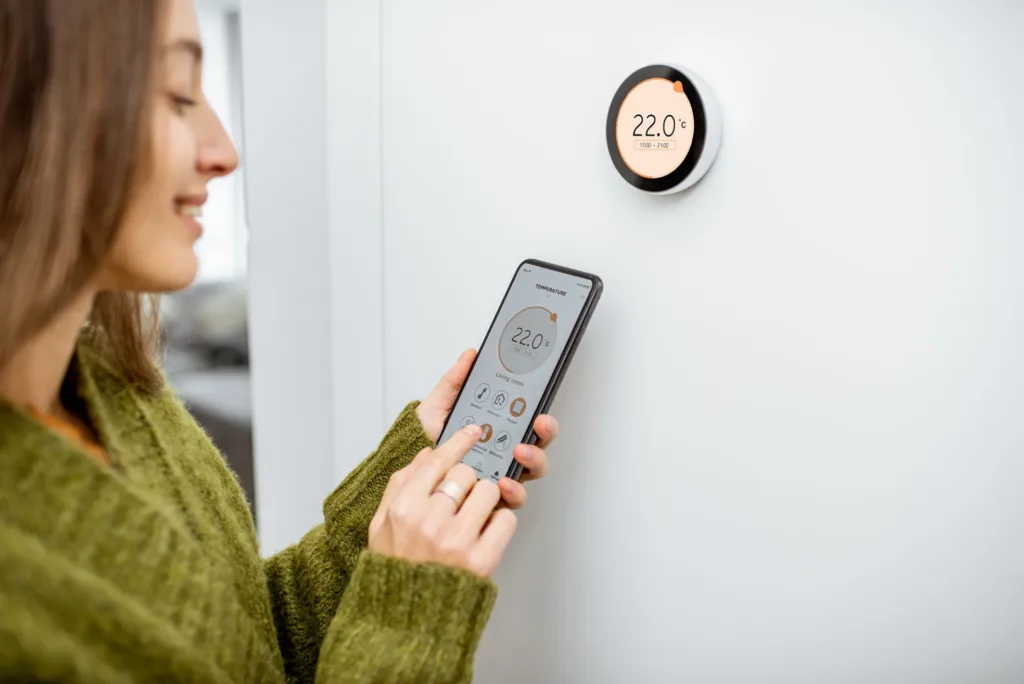
Smart technology has gone far beyond novelty and convenience. The right devices can help reduce energy use across lighting, heating, and plug-in appliances. Key options include:
- Smart thermostats with learning features
- Zoned heating systems
- App-controlled smart plugs and bulbs
These tools allow homeowners to schedule power use more precisely, reduce wastage when away, and even track consumption patterns over time.
Benefits Beyond Automation
Installing smart systems doesn’t mean giving up control — it means gaining better control. You can reduce overnight heating, monitor usage in real time, and spot inefficiencies quickly. Remote access is also valuable for second homes or during holidays.
We’ve examined this in more detail, especially in our article on smart thermostats in the UK, where we weigh their real-life cost benefits.
Modern Appliances: Why Age Matters
Appliance Efficiency Ratings Explained
The energy label you see on appliances isn’t just a box-ticking exercise. It provides a reliable snapshot of how much energy the item uses over a standard cycle or year. With the updated A to G rating system in place, even a C-rated appliance today can be significantly more efficient than older models that were once marked A++.
For example:
- A 15-year-old fridge might use over 400 kWh/year
- A modern equivalent could use under 200 kWh/year
That kind of difference adds up — particularly when multiplied across the appliances in a busy household.
Which Appliances Make the Biggest Difference
From our experience, the most impactful upgrades include:
- Fridge-freezers (due to 24/7 operation)
- Washing machines (especially on eco modes)
- Tumble dryers and dishwashers
Cookers and ovens matter less unless used excessively, but hobs with induction technology can offer both control and efficiency gains.
Lighting: Small Fix, Big Savings
LEDs vs Traditional Bulbs
Swapping halogen or incandescent bulbs for LEDs can save a surprising amount. One 50W halogen spot replaced with a 5W LED running three hours a day saves over £8 a year — per bulb. Multiply that across an entire home, and the payback is fast.
LEDs also last longer and emit less heat, contributing to a more comfortable environment in warmer months.
Dimmers and Motion Sensors
These aren’t just for commercial spaces. Dimming controls and motion sensors in areas like hallways, bathrooms, and storage rooms prevent lights being left on unnecessarily. While savings vary, they also reduce bulb wear and improve safety.
Insulation and Heating: Electrical Support Behind the Scenes
Where Insulation Meets Electrical Planning
Good insulation doesn’t reduce power use directly — but it drastically reduces how hard your heating system needs to work. When your loft, walls and pipework are correctly insulated, electric heaters and boilers run less often and less intensively.
We often find that homes with poor insulation rely heavily on portable electric heaters in winter. These are among the most expensive ways to stay warm, so addressing the root cause is always the better option. The UK Government’s energy efficiency guidance outlines key measures like loft insulation and draught-proofing that are especially effective in colder months.
Supporting Central Heating with Controls and Zones
Thermostatic radiator valves, timer switches and room zoning are all examples of how small electrical changes can increase overall efficiency. Zoning in particular allows you to heat rooms in use — without wasting energy on the rest of the house.
We recommend:
- Smart TRVs for individual radiator control
- Dual-zone thermostats for upstairs/downstairs
- Programmable timers for underfloor heating systems
These upgrades offer both control and clarity, helping to track where your power is going.
Hidden Losses: The Standby Drain and Phantom Loads
How Devices Use Power When Off
The term “phantom load” refers to the electricity used by devices in standby mode. This includes:
- TVs
- Internet routers
- Phone chargers
- Coffee machines
A single device may only cost £5–£10 a year in standby, but together they can add up to more than £100 annually for an average household.
Plug-in Energy Monitors: Are They Useful?
Basic plug-in monitors are affordable and help homeowners see which devices draw the most power. While not essential for everyone, they’re useful for identifying where energy might be wasted — particularly with older equipment.
For larger properties or multi-occupancy homes, panel-based monitoring systems provide even more insight, often linking into smart home platforms.
FAQs
What’s the fastest way to cut electricity costs at home?
Switching all lighting to LEDs and turning devices off at the wall will produce quick, visible savings without major spend.
Does a smart thermostat work with any boiler?
Most do, but compatibility varies. Our team always checks the system type before recommending or installing one.
How much can I save by upgrading old appliances?
Savings vary, but replacing a 15-year-old fridge-freezer could cut its running cost by more than 50%.
Conclusion: Start with One Room, Build From There
Improving your home’s energy efficiency doesn’t have to be an all-or-nothing project. In fact, starting with a single room — often the kitchen or lounge — is one of the most effective approaches. From controlling how you use power to upgrading where it matters most, it’s about making your home work smarter, not harder. With the right help, these changes pay for themselves quickly.
We also support businesses with safe and efficient electrical system setups, which share many of the same principles.