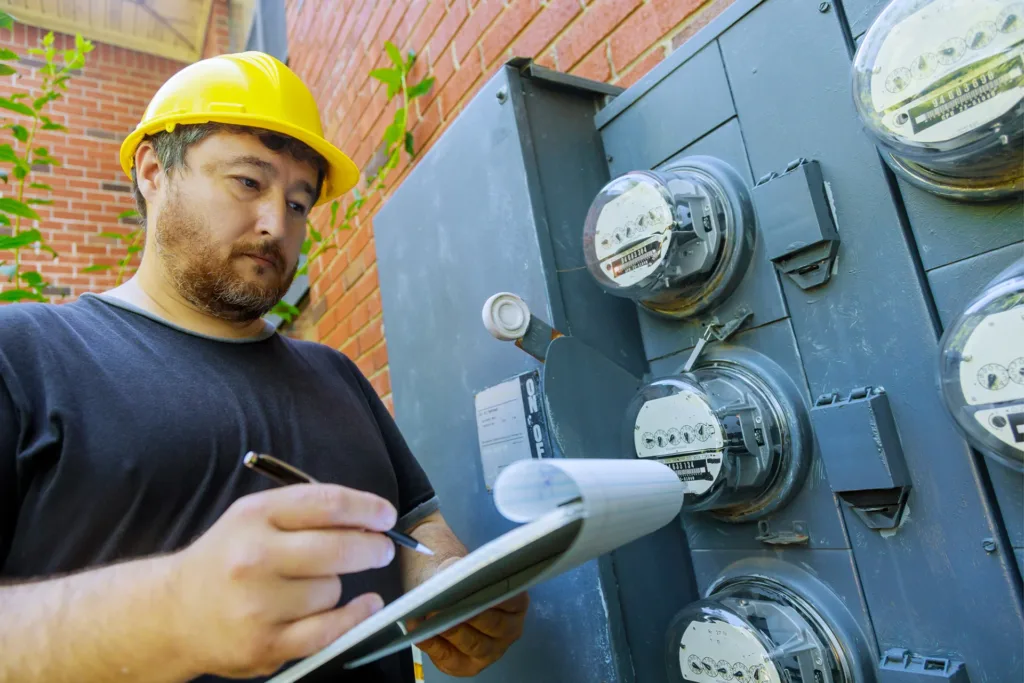
When was the last time your home electrics were properly inspected? If you can’t remember, or if your property’s nearing the five-year mark since its last Electrical Installation Condition Report (EICR), it might be time to schedule one.
Electrical inspections aren’t just another tick-box exercise. They’re an essential part of keeping your home safe, identifying hidden faults, and making sure your installation meets current standards. But while the electrician does the heavy lifting, a little prep on your part can go a long way.
We’ve carried out hundreds of inspections across Cornwall and beyond, and homeowners always ask the same question—what do I need to do beforehand? Here are seven simple, practical steps to help you prepare.
1. Know What Type of Inspection You’re Getting
Before you start moving furniture or digging out paperwork, it helps to understand the type of inspection you’re expecting. Not all electrical assessments are created equal.
For most homeowners, the inspection in question will be an Electrical Installation Condition Report (EICR). This is a detailed assessment of your fixed wiring system—covering everything from fuse boards and sockets to earthing, bonding, and circuit protection. It’s designed to identify any defects, deterioration, or non-compliance with current wiring regulations.
EICRs are legally required every five years for rental properties, and it’s recommended they’re carried out every 10 years in owner-occupied homes—or sooner if issues arise. You might also need one when buying or selling a property, or if you’re planning a major renovation.
If your inspection is part of remedial work, a visual condition report, or follow-up to an earlier job, preparation requirements may differ. When in doubt, ask your electrician exactly what kind of inspection is planned.
2. Ensure Clear Access to Key Areas
Your electrician needs to get to certain parts of your home quickly and safely, so make sure access is clear. This might sound obvious, but we often encounter homes where the consumer unit is buried behind coats, boxes or cleaning supplies.
Here are the key areas to clear in advance:
- Consumer unit (fuse board) – usually under the stairs or in a hallway cupboard
- Electric meter and main isolator switch
- Sockets and light switches in each room
- Loft hatch or access panels if applicable
- Any visible junction boxes or external supplies
Try to move any bulky furniture that blocks access to outlets or cabling, especially if your electrician needs to test or inspect multiple points. Not only will this save time, but it also ensures a more thorough inspection.
3. Gather Electrical Documentation (If Available)
If you’ve had work done on your property in the past—whether it was a full rewire, new sockets, or a consumer unit upgrade—it’s helpful to dig out any paperwork. While not strictly necessary for an inspection, having documentation on hand can speed up the process and provide useful context for the electrician.
Useful documents include:
- Previous EICRs or electrical safety certificates
- Installation or alteration certificates (e.g. Minor Works Certificates)
- Appliance manuals, especially for fixed systems like underfloor heating
- Circuit layout diagrams if available
Even if you only have partial records, it’s better than nothing. They can help the inspector identify prior modifications, understand existing circuits, or flag potential concerns quicker.
If you’re a landlord, keeping electrical safety documentation organised isn’t just helpful—it’s your responsibility. You must be able to provide a valid EICR to tenants and local authorities on request.
4. Note Any Concerns Ahead of Time
Before the inspection, take a walk through your home and make a note of anything that’s been bothering you electrically. Even small quirks—like flickering lights, tripping breakers, or buzzing sockets—can be important clues for your electrician.
Here are a few things worth mentioning:
- Lights that flicker or hum when switched on
- Sockets that feel warm or discoloured
- Frequent fuse trips or RCD resets
- Rooms with inconsistent power
- Any recent damage to wiring or fittings
Highlighting these issues upfront helps the electrician prioritise certain areas or tests during the inspection. It also ensures the final report is more accurate—and avoids missed faults that could cost more to fix later.
If you’re not sure what counts as a concern, err on the side of caution. Even small annoyances can be early signs of more serious problems.
5. Secure Pets and Inform Occupants
It might seem unrelated to electrics, but preparing your household is just as important as preparing your property. Electrical inspections involve moving between rooms, turning off circuits, and accessing tight spaces. That’s not ideal if you’ve got pets wandering around or family members caught off guard by a power cut.
Here’s what we suggest:
- Let everyone in the house know when the inspection is happening
- Secure pets in another room or with a friend if they’re easily startled or curious
- Unplug sensitive equipment, like computers or internet routers, to avoid any issues during testing
- Charge devices ahead of time in case you’re without power temporarily
Inspections can take a couple of hours depending on the size and condition of the property. Planning ahead avoids unnecessary interruptions and helps everything run smoothly.
6. Understand What Inspectors Look For
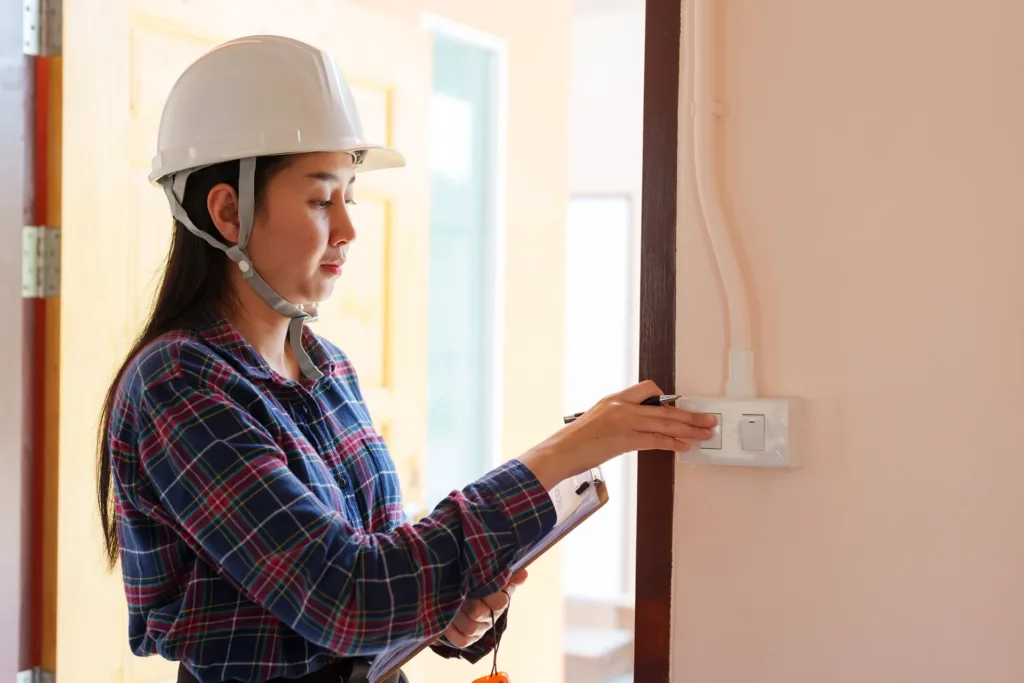
Many people are surprised by how thorough an EICR can be—and that’s a good thing. The electrician isn’t just taking a quick glance at your fuse box. They’re working to ensure every fixed part of your installation meets the latest safety requirements, especially those set out in BS 7671 (18th Edition) and Approved Document P of the Building Regulations.
During an EICR, we check:
- Condition of wiring, sockets, and switches
- Function of RCDs and circuit breakers
- Earthing and bonding arrangements
- Presence of fire risks or outdated materials
- Any signs of overheating, overloading or poor connections
The final report will classify any issues using standard codes (C1, C2, C3, or FI), with recommendations on whether remedial work is urgent or optional. If your home has not been inspected in years, or if DIY work has been done, don’t be surprised if updates are needed.
For an official breakdown of what’s included in an EICR and what the results mean, see the guidance from Electrical Safety First.
7. Expect Temporary Power Outages
Electrical inspections typically involve testing multiple circuits, which means switching them off—sometimes several times during the visit. This is perfectly normal and part of verifying the integrity of your wiring and safety devices.
To avoid frustration:
- Save work and shut down electronics before the visit
- Unplug any sensitive or valuable equipment if you’re concerned about power fluctuations
- Let anyone working from home know there may be brief interruptions
A standard inspection won’t leave you without power for long, but being prepared ensures it doesn’t catch you off guard. Your electrician should let you know in advance which areas they’re switching off and for how long.
FAQs
How long does a typical EICR take?
For a standard 3-bedroom house, an EICR typically takes between 2 to 4 hours, depending on access, the number of circuits, and the age of the installation.
Do I need to be present during the inspection?
It’s helpful but not always necessary. If access is pre-arranged and pets are secured, the inspection can be completed while you’re out—as long as your electrician has clear entry and instructions.
What happens if my home fails the inspection?
You’ll receive a report outlining any issues and their severity. Wave Electrical will explain the findings and provide a quote for any necessary remedial work to bring your system up to standard.
Conclusion
Preparing for an electrical inspection isn’t complicated—but it does make a difference. Whether you’re a homeowner, landlord or new buyer, taking a few steps ahead of time ensures a smoother process, a more accurate report, and quicker turnaround on any follow-up work.
At Wave Electrical Solutions, we carry out inspections that meet the highest standards of UK electrical safety and compliance. Our experienced team ensures nothing gets missed—because when it comes to electrics, peace of mind starts with preparation.
Need a professional, hassle-free inspection? Book your EICR with Wave Electrical Solutions and we’ll guide you every step of the way.