Security is no longer about locks and keys alone. Across the UK, homeowners are choosing smarter ways to protect their properties—with cameras that can see in the dark, doorbells that talk back, and systems that alert you before trouble even starts. The rise in smart home technology has made it easier than ever to stay connected to what matters, even when you’re away.
With theft and trespassing concerns on the rise, it’s not surprising that demand for domestic surveillance has soared. But it’s not just about crime prevention anymore. These systems now offer daily convenience, from checking in on pets to knowing when a parcel has arrived. Choosing between a traditional CCTV setup and a smart doorbell isn’t always straightforward and many homes benefit from using both.
Understanding how these devices work, where to install them, and how to stay compliant with UK regulations is key. So whether you’re starting from scratch or thinking about upgrading an old setup, this guide will help you make informed decisions about your home’s security.
Why Home Security Has Never Been More Important
More people in the UK are investing in security than ever before and for good reason. Reports from the Office for National Statistics show that while burglary rates have seen some decline, the threat remains real, especially in suburban and rural areas. Opportunists target homes that appear unprotected, often during the day when residents are at work or away.
But this shift isn’t driven by fear alone. Technology has become more affordable and easier to manage. You no longer need a bulky setup or professional control room. Most systems now link directly to your smartphone, giving you real-time access to live feeds, alerts, and stored footage. For many, it’s about peace of mind—not just protection.
And there’s a financial benefit too. Many insurance providers offer discounts for homes fitted with approved surveillance systems. Devices that record footage, provide motion alerts, and deter intruders are seen as a proactive defence against claims. Investing in these systems often pays off in more ways than one.
Wave Electrical Solutions offers expert CCTV and doorbell installations across Cornwall, ensuring your setup is not only effective but also professionally fitted and compliant.
CCTV vs. Smart Doorbells – What’s the Difference?
Choosing between a CCTV system and a smart doorbell depends on your security goals, the layout of your home, and how you prefer to manage surveillance. Each option serves a different purpose, and in many cases, using both can offer a layered, more robust solution.
CCTV Systems: Reliable and Comprehensive Coverage
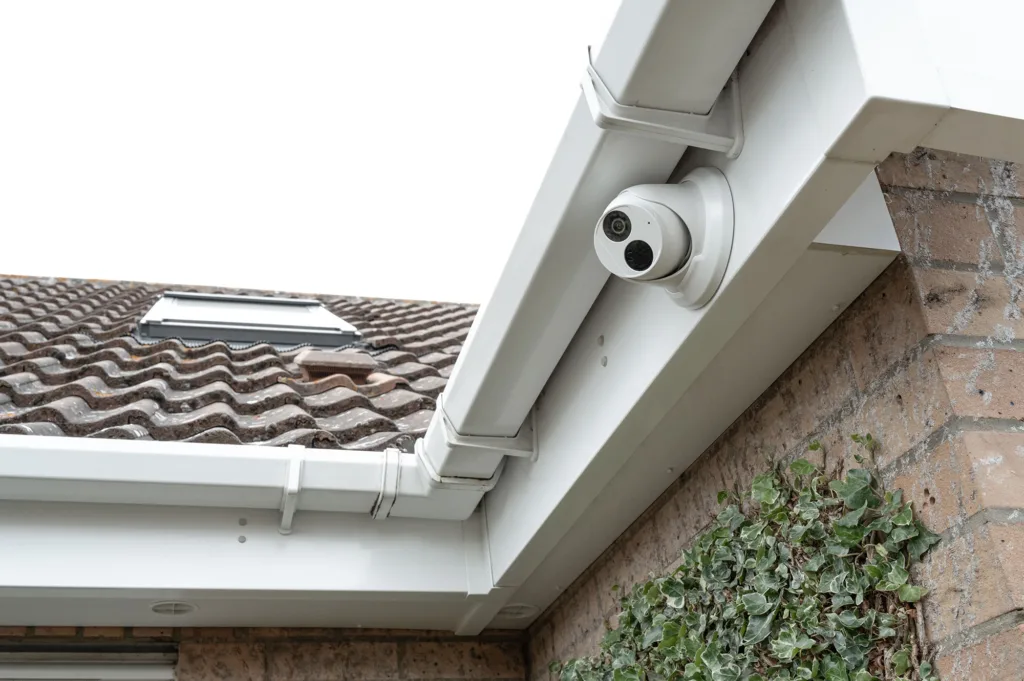
CCTV systems are designed for broader surveillance across multiple entry points. Typically involving several fixed or motorised cameras, they can be wired to a central recording hub, offering 24/7 coverage of your property. These systems are ideal for monitoring driveways, rear gardens, side paths, and even garages.
The cameras themselves often include infrared night vision, weatherproof housings, and motion sensors. Some systems also allow remote viewing via smartphone apps, giving you the ability to monitor your home from anywhere.
Proper wiring is critical for long-term reliability and safety. For homeowners in Cornwall considering a permanent setup, our blog post on wiring security camera systems explains how professional installation ensures clean routing, compliance with BS 7671 wiring regulations, and futureproof design.
Smart Doorbells: A Convenient First Line of Defence
Smart doorbells have exploded in popularity for their simplicity and effectiveness. Devices such as Ring, Arlo, or Nest include motion detection, HD video, two-way audio, and mobile alerts—making them perfect for keeping an eye on the front door.
These are particularly useful for identifying visitors, communicating with couriers, or checking in on activity while you’re out. Many also offer video recording, stored either locally or in the cloud. However, their field of view is usually limited to the immediate entrance area.
For smaller homes, flats, or as a supplement to existing cameras, smart doorbells provide high-impact surveillance with minimal setup.
Which One Is Right for You?
If your goal is to monitor the entire perimeter, a CCTV system is the better fit. If you’re more concerned about front-door interactions or need a quick, wireless solution, a smart doorbell makes sense. For many UK homeowners, combining both is the best approach—smart doorbells handle convenience, while CCTV handles comprehensive protection.
Key Features to Look for in CCTV and Doorbell Cameras
Not all surveillance systems are created equal. If you’re shopping for new equipment or upgrading what you already have, knowing which features actually matter can help you avoid unnecessary expense—and ensure you’re properly protected.
HD Video Quality and Night Vision
Crystal-clear footage isn’t a luxury; it’s a necessity. Cameras with at least 1080p resolution will give you the detail needed to identify faces, number plates, and unusual activity. Go lower than that, and you risk capturing footage that’s too grainy to be useful.
For night-time visibility, look for infrared night vision or colour night vision—especially important in rural or poorly lit areas. Some smart cameras now use motion-activated lights to enhance visibility and act as a deterrent.
Motion Detection and Real-Time Alerts
Most modern systems include motion sensors, but the quality and configurability vary. The best setups allow you to customise motion zones so you’re not getting pinged every time a car drives past your front gate. Real-time push notifications let you act immediately if someone enters your property uninvited.
Smart doorbells often include person detection, which reduces false alarms triggered by animals or passing traffic.
Two-Way Audio and Remote App Access
Being able to see someone is useful—being able to speak to them takes it further. Two-way audio allows you to talk to visitors, delivery drivers, or anyone lurking suspiciously near your door, all from your phone. Some CCTV systems also support this, but it’s standard with most smart doorbells.
Remote access via mobile apps or web platforms lets you view live feeds, review recordings, and adjust settings from wherever you are. If you’re away often or travel for work, this is essential.
Cloud Storage vs Local Recording
When it comes to saving footage, you’ve got two options: cloud storage or local storage.
- Cloud-based storage is often offered on a subscription basis. It lets you access footage from any device and usually includes automatic backups. It’s handy if you’re worried about the recorder being stolen.
- Local recording involves saving footage to a hard drive or SD card on-site. It’s a one-off cost and doesn’t rely on internet access, but you’ll need to check storage limits and overwrite settings.
Both have their place—it often comes down to budget and preference.
Strategic Placement: Getting the Best Coverage
Installing high-quality cameras means nothing if they’re pointing in the wrong direction. Placement plays a critical role in how well your system performs. A badly positioned device can leave blind spots or even breach legal boundaries.
Ideal Locations for Cameras and Doorbells
For CCTV systems, your main focus should be all access points. That includes:
- Front and back doors
- Side entrances or alleyways
- Driveways and garages
- Large windows on the ground floor
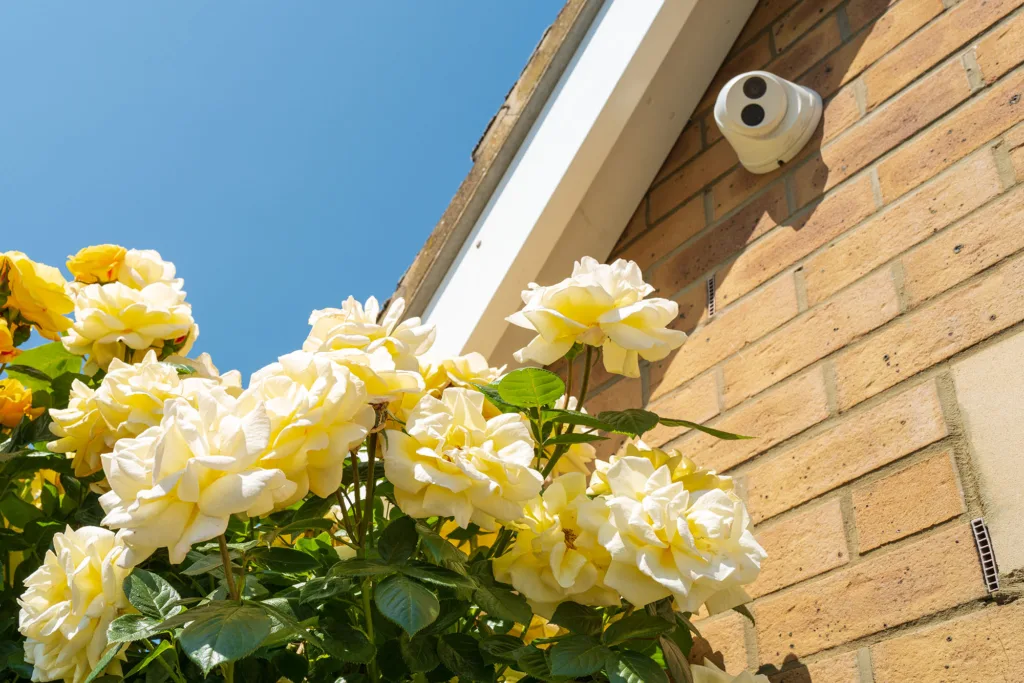
A good rule of thumb is to mount cameras at around 8 to 10 feet off the ground. This height keeps them out of reach while still allowing clear, face-level footage. Wide-angle lenses help reduce the number of devices needed without compromising visibility.
For smart doorbells, place them at chest height near the door frame to capture clear images of visitors and packages. Avoid mounting them too high, as this can obscure faces—especially if someone is wearing a cap or hood.
Avoiding Blind Spots
Walk around your home during installation planning and consider where someone could hide or enter unnoticed. Check sightlines, especially around bins, fences, or sheds. Overlapping fields of view between multiple cameras are ideal, providing you with coverage even if one angle fails.
Privacy Laws and Neighbour Considerations
UK law, as outlined under the Data Protection Act 2018 and ICO guidelines, requires homeowners to use surveillance responsibly. If your cameras capture footage beyond your property—like a neighbour’s garden or a public footpath—you may need to comply with additional rules, such as signage or privacy masking.
You must also make sure any electrical work complies with Part P of the Building Regulations, which ensures safety in domestic installations. You can find official guidance in Approved Document P.
The Power of Remote Monitoring
Being able to check in on your home from anywhere isn’t just convenient—it’s practical. Remote access lets you act in real-time, whether you’re on holiday, at work, or even just upstairs.
Most modern systems include apps that send push notifications for motion detection, let you view live footage, and store event clips. Some even integrate with smart home ecosystems like Alexa or Google Home, giving voice control or automation features.
This kind of control means you no longer rely solely on reactive security. You can monitor who’s coming and going, check deliveries, and even scare off potential intruders with a voice command or spotlight.
Professional Installation vs DIY: What You Need to Know
Why Professional Installation Matters
While many smart doorbells are marketed as DIY-friendly, CCTV systems—especially wired ones—are best left to qualified electricians. A poorly installed camera is not only ineffective but could become a safety hazard.
Wave Electrical Solutions provides installation services that comply with BS 7671 wiring standards, using clean routing, waterproof fittings, and stable connections. Proper placement, cabling, and testing ensure your system performs well in all weather and lighting conditions.
What DIY Setups Often Miss
DIY installations might save money upfront but often lack professional-grade wiring, reliable power management, and long-term durability. A tangle of exposed cables or poorly mounted devices also leaves your system vulnerable to tampering.
Choosing the Right Security Setup for Your Home
There’s no one-size-fits-all solution when it comes to home security. The right setup depends on your property’s layout, your budget, and your priorities.
For small flats or terraced homes, a smart doorbell may be all you need to monitor visitors and parcel deliveries. For larger properties or homes with rear access, a full CCTV system provides peace of mind with 360-degree coverage. Many homeowners now choose to combine both—a smart doorbell out front and fixed cameras at the back or sides.
Regardless of the setup, make sure everything is installed professionally and in line with UK safety regulations.
FAQs
What are the legal restrictions for CCTV in residential areas?
Homeowners must ensure their cameras only record activity within their property boundaries. If cameras capture public areas or neighbour’s property, you may need to comply with data protection laws. This includes putting up signs, securely storing footage, and not misusing the data.
Can smart doorbells replace traditional CCTV?
Smart doorbells are a great starting point, especially for front-door activity. However, they usually cover a narrow field of view and lack broader property monitoring. They work best when used alongside a CCTV system for full coverage.
How secure are remote connections to camera systems?
Most reputable brands use encrypted cloud platforms for video storage and remote access. It’s important to set strong passwords, enable two-factor authentication, and keep firmware updated to protect against cyber threats.
Conclusion
Modern home security isn’t about having one perfect device—it’s about building a system that works together. Combining CCTV with smart doorbells can give you full control over who comes and goes, and peace of mind when you’re away. Strategic placement, professional wiring, and an understanding of UK regulations are what transform basic surveillance into real protection.
If you’re planning a new setup or upgrading an old one, don’t leave it to guesswork. Get in touch with Wave Electrical Solutions for reliable advice and expert installation that meets British standards and your personal needs.