Electrical work is one of those things that homeowners and businesses can’t afford to ignore, yet few people feel confident about how much it should actually cost. Ask three different electricians for a quote, and you’ll probably get three very different figures. That doesn’t necessarily mean someone’s overcharging – it’s a reflection of the many variables that shape the price of an installation or repair. From small jobs like adding an extra socket to large-scale rewires and new build projects, understanding where your money goes can make all the difference to your budget.
Costs aren’t just about labour and parts. Regulations, safety checks, certification, and even your location within the UK all play a role. Knowing these factors not only helps you plan properly but also protects you from nasty surprises down the line. And while it’s tempting to take shortcuts, especially with DIY, cutting costs in electrical work often proves far more expensive in the long run.
What Influences the Cost of Electrical Work?
Labour rates and experience levels
Labour is usually the largest part of an electrical job’s cost. Electricians in the UK typically charge by the hour or offer a day rate, which often varies depending on qualifications and experience. A newly qualified electrician might quote at the lower end, while an experienced professional with specialist certifications (such as working on commercial installations or renewable systems) will charge more. The added cost often reflects not only skill but also efficiency – a seasoned electrician can complete a complex task much faster, saving you time and potential disruption.
Regional variations across the UK
Where you live has a noticeable effect on pricing. Electricians in London and the South East generally command higher rates compared with those in the North or rural areas. This isn’t necessarily profiteering – it reflects higher living costs, business expenses, and sometimes even stricter competition in metropolitan areas. If you’re in a region with fewer local electricians, travel costs might also be added to the bill, which can push up overall prices.
Project complexity and timescale
Not all electrical jobs are equal. Installing a simple light fitting might take less than an hour, but rewiring a four-bedroom house could span several days. Projects that involve opening up walls, working at height, or coordinating with other trades (such as builders and plasterers) will inevitably cost more. Urgent work or out-of-hours call-outs also raise costs because electricians have to adjust their schedules or work unsocial hours.
Materials and equipment needed
From consumer units to sockets, cables, and protective devices, the quality and specification of materials make a big difference to cost. Basic fittings are cheaper, but higher-end finishes or smart home integrations can quickly add up. A reliable electrician will also include safety devices such as RCBOs or RCDs, which are essential for protecting you and your property. These aren’t optional extras – they’re part of modern compliance requirements and directly affect both safety and cost.
Travel, call-out charges and emergency work
Call-out fees are standard in the trade, covering the cost of an electrician attending your property even if the job turns out to be small. For emergency situations, such as a sudden power outage or consumer unit fault, charges may be higher due to the urgency and disruption involved. While it might seem expensive at first glance, paying for prompt professional help often prevents much more costly damage later.
Typical Costs for Common Electrical Jobs
Installing sockets and light points
Adding extra sockets or light points is one of the most common requests electricians receive. On average, you can expect to pay between £100 and £150 for a new double socket, including both labour and materials. Light points, such as ceiling fittings or wall lights, may be slightly less depending on the complexity. Costs rise if the wiring has to be chased into solid walls or if the property requires significant preparation. For those considering upgrading to USB sockets or smart switches, prices will be higher due to the additional hardware.
Rewiring a property (partial and full rewires)
Rewiring is one of the biggest investments when it comes to electrical work. A full rewire for a standard three-bedroom house can range from £4,000 to £7,000, depending on the size of the property, number of circuits, and finishes chosen. A partial rewire, often needed when only certain rooms or circuits are outdated, may cost around £1,500 to £3,000. While it might be tempting to delay this work, outdated wiring poses serious safety risks and can prevent you from meeting current building regulations.
Consumer unit upgrades
Replacing an old fuse box with a modern consumer unit fitted with RCDs and RCBOs typically costs between £450 and £800. This is a critical safety upgrade, ensuring your installation meets modern standards and is protected against electrical faults. It also includes testing and certification, which is required for compliance.
New build electrical installations
For new build properties, costs are usually calculated per circuit or per room, with prices varying depending on property size and specifications. A small two-bedroom house may start from £3,500 to £5,000, while larger homes with smart systems, multiple lighting zones, and higher specifications can easily exceed £10,000. The process is normally split into first fix (laying in cables and back boxes) and second fix (installing sockets, switches, and consumer units), followed by testing and certification.
Commercial vs domestic work pricing
Commercial projects often attract higher rates compared with domestic work, largely because they involve more complex systems, compliance with stricter regulations, and higher liability. For example, fitting out an office with data cabling, emergency lighting, and three-phase power distribution will cost considerably more than domestic work due to the scale and technical requirements.
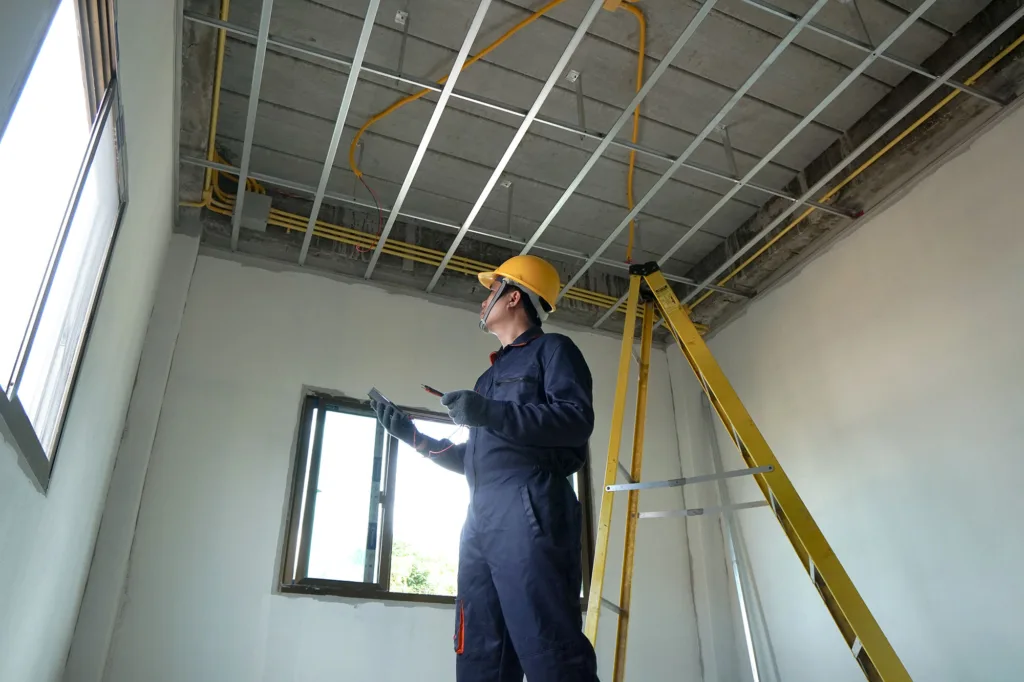
Regulations and Safety Requirements
Building Regulations Part P and compliance
In England and Wales, all domestic electrical work must comply with Building Regulations Part P. This ensures that any installation is safe for use and meets national standards. Certain jobs, such as consumer unit changes or new circuits, are notifiable to your local building control, meaning they must either be carried out by a registered electrician or signed off after inspection. Non-compliance can lead to fines, invalidate insurance, and create major safety risks. More details can be found on the official government guidance: GOV.UK – Approved Document P.
Certification, testing and inspection
When the work is completed, electricians are required to issue certificates, such as an Electrical Installation Certificate (EIC) or a Minor Electrical Installation Works Certificate (MEIWC), depending on the scope of the job. These documents prove that the work complies with the wiring regulations (BS 7671) and are essential if you plan to sell or rent your property. Testing involves checking insulation resistance, continuity, earth fault loop impedance, and RCD operation — all of which add time and therefore cost to a project.
The role of NICEIC and other governing bodies
Choosing an electrician who is registered with a recognised governing body, such as the NICEIC, NAPIT, or ELECSA, provides reassurance that the work will be up to standard. Registered electricians are regularly assessed and can self-certify their work under Part P. This means you won’t need to apply separately to building control, saving both hassle and additional fees. While registered electricians may charge more, the long-term benefits of safety and compliance outweigh the initial costs.
Why cutting corners can cost more long term
Attempting to avoid these requirements to save money often backfires. Non-compliant work can fail safety inspections, leading to costly remedial work. In some cases, insurers may refuse claims arising from electrical faults if the work wasn’t certified. When you add up the risks of fire, electrocution, and financial penalties, it becomes clear that paying for proper certification and professional oversight is money well spent.
How to Budget for Electrical Work
Getting accurate quotes from electricians
The first step in budgeting is to gather multiple quotes. Always provide clear details of what you need, from the number of sockets to the type of consumer unit. A professional electrician should be willing to offer a written estimate that breaks down labour, materials, and any additional charges. Be wary of vague quotes that don’t explain where the money is going, as these can lead to disputes later.
Factoring in hidden costs
Beyond the obvious labour and parts, there are often additional expenses that can catch people off guard. This might include fees for notifying building control, costs of making good after chasing walls, or even the price of hiring scaffolding for high-level work. By asking your electrician to highlight potential extras from the outset, you can avoid unpleasant surprises when the final invoice arrives.
Balancing DIY with professional work
While it’s possible to handle small tasks like replacing a light fitting, major electrical work should be left to professionals. The risk of accidents, fire, or invalidating your home insurance far outweighs any savings. If you’re considering tackling parts of a project yourself, such as chasing walls or lifting floorboards, always discuss this with your electrician first. Our advice on DIY vs Professional – When to Call an Electrician explains this balance in more depth.
Planning ahead for future upgrades
When budgeting, it’s wise to think beyond the immediate job. If you’re rewiring, consider whether you’ll want smart home features, EV charging points, or additional circuits in the future. Adding them during an existing project is far cheaper than retrofitting later. Electrical upgrades also improve property value, as highlighted in our guide on maximising your home’s value with electrical upgrades.
FAQs About Electrical Work Costs
How much does a full rewire cost in the UK?
The cost of a full rewire varies depending on property size, but for a three-bedroom house, it usually falls between £4,000 and £7,000. This includes materials, labour, and certification.
Do electricians charge by the hour or by the job?
Both methods are common. Small jobs are often priced by the hour, while larger projects such as rewires or consumer unit replacements are usually quoted as a fixed price. Always confirm which applies before work begins.
Can I save money by providing my own materials?
In some cases, yes, but it’s not always recommended. Electricians often have access to trade prices and prefer to use brands they trust for quality and safety. Using the wrong parts can lead to failed inspections and void warranties.
Conclusion
Electrical work is a significant investment, but understanding the factors that shape the cost helps you make better decisions. From labour rates and regional differences to compliance with regulations, every element contributes to the final bill. The key is to focus on value, not just price. Cheap shortcuts can lead to dangerous faults, costly rework, or even invalidate your insurance.
Budgeting smartly means thinking long term — planning for future upgrades, ensuring compliance, and hiring qualified electricians who provide certification. That way, you not only stay safe but also add lasting value to your home or business.
For professional advice and transparent pricing, speak to our team at Wave Electrical Solutions. We’ll help you plan with confidence and avoid unnecessary costs.