Positive Input Ventilation (PIV) systems play a growing role in tackling condensation, mould, and poor air quality in UK homes. They work by introducing filtered air into the property, which gently dilutes and displaces stale, moisture-laden air. But the effectiveness of a PIV system relies heavily on correct installation. Positioning, wiring, and airflow calibration must all meet specific standards if the unit is to operate safely and deliver long-term results. Our team often encounters cases where poor placement or oversight during fitting has limited the impact of an otherwise good unit. That’s why understanding the current rules — from technical specs to regulatory requirements — is essential for any homeowner or installer taking on a PIV project.
Before we explore the requirements in depth, it’s worth revisiting the placement factors discussed in our guide to where to put a PIV unit, as location is one of the key decisions affecting compliance.
Understanding How a PIV System Works
Basic Components
Most domestic PIV systems consist of a central fan unit, typically located in the loft or hallway, connected via ducting to one or more ceiling diffusers. The fan draws in fresh air from either the loft space or directly from outside (depending on the model), filters it, and then pushes it into the habitable space.
Airflow and Pressure Principles
The unit creates a slight positive pressure within the home, which encourages stale air and moisture to escape through natural leakage points — such as trickle vents or gaps around doors. That gentle pressure is key. Too low, and the unit won’t be effective; too high, and you risk discomfort or energy waste.
Placement Rules and Best Practice
Suitable Locations (Lofts, Hallways, Flats)
In homes with a pitched roof, the loft is the preferred location. It provides easy access, insulation around the unit, and a stable temperature. However, for properties without a loft — such as some flats or converted buildings — wall-mounted models are available and must be positioned carefully to meet flow requirements without obstruction.
Ceiling Diffuser Positioning
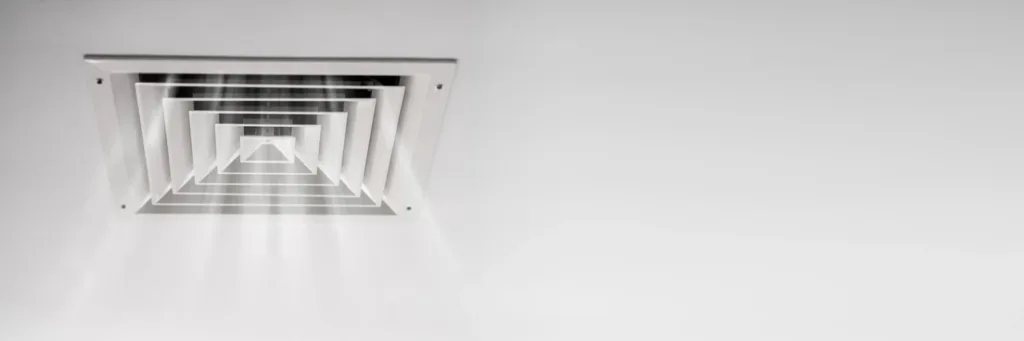
The diffuser should be centrally located in a main circulation area, typically the upstairs landing or hallway. It must not be placed directly over a smoke detector, nor too close to walls, light fittings, or extract grilles. Poor placement can lead to short-circuiting of airflow or discomfort in bedrooms. Correct diffuser positioning supports the natural movement of air without causing draughts or uneven distribution.
Ventilation Standards and UK Regulations
Building Regulations (Approved Document F and Part P)
All PIV installations must adhere to Approved Document F, which sets out legal standards for ventilation in domestic properties. Although PIV isn’t always explicitly named, it must contribute to the overall airflow targets for the property. The electrical aspect of the installation falls under Part P of the Building Regulations. This requires that any wiring work be carried out by a competent person — ideally a qualified electrician registered with a recognised scheme.
Relevant IP Ratings and Electrical Safety Rules
Any PIV unit or electrical control located in areas exposed to moisture (such as utility rooms or bathrooms) must meet the appropriate IP (Ingress Protection) rating. Most loft-installed units are not exposed directly, but any ceiling-mounted components — such as boost switches or displays — must be rated accordingly. Cable runs must be protected, and isolation switches should be clearly labelled and accessible.
Compliance with BS 7671
Installations must follow the wiring rules outlined in BS 7671 (the IET Wiring Regulations). This includes correct selection of cable type, fuse protection, and safe connection into the local circuit — usually the upstairs lighting circuit. The system should be isolated for maintenance with a clearly marked switch outside the loft or housing area.
Installation Requirements
Mounting the Unit Securely
The fan unit should be mounted on a stable surface with appropriate anti-vibration feet or hangers. Many units are supplied with mounting kits, but installers must ensure the fixings suit the roof structure or wall type. Noise can be a concern if not properly isolated, especially in older lofts with thin joists.
Ducting and Insulation Considerations
All ducting should be installed to minimise resistance. Bends should be gentle, and runs should be as short as possible. Ducting must be insulated throughout to prevent condensation, especially in cold loft spaces. Poor duct installation can lead to heat loss, condensation build-up, or restricted airflow.
Electrical Connection and Qualified Installer Role
While the units themselves are often simple to operate, the electrical installation must not be underestimated. Most PIV systems are powered from the lighting circuit and require a fused spur. A qualified electrician will assess loading, use the correct cable, and ensure that installation meets all safety requirements. This is not a DIY task.
Our team handles the full scope of PIV fan services, from installation to commissioning.
Post-Installation Setup
Setting Fan Speed and Controls
Units are usually supplied with adjustable speed settings to match the size of the property. Some systems also include sensors for humidity or temperature, and these must be configured to suit the home. Over-ventilation can be as problematic as under-ventilation, so balancing is crucial.
Filter Maintenance
All PIV systems use filters, and these should be checked and replaced as recommended by the manufacturer. Dirty filters reduce airflow and can lead to inefficiency or dust circulation.
Homeowner Guidance and Documentation
Once installed, the system should be demonstrated to the occupant, and all documentation (including user guides and certificates) handed over. Some units also offer boost switches — typically installed in kitchens or bathrooms — which allow temporary increases in airflow when moisture levels rise.
Safety and Warranty Considerations
Fire Safety in Lofts
The unit must be installed away from potential fire hazards. If the loft contains older electrics, insulation debris, or stored items, these risks must be managed. Adequate space around the unit is also required for cooling and maintenance.
Ensuring Access for Maintenance
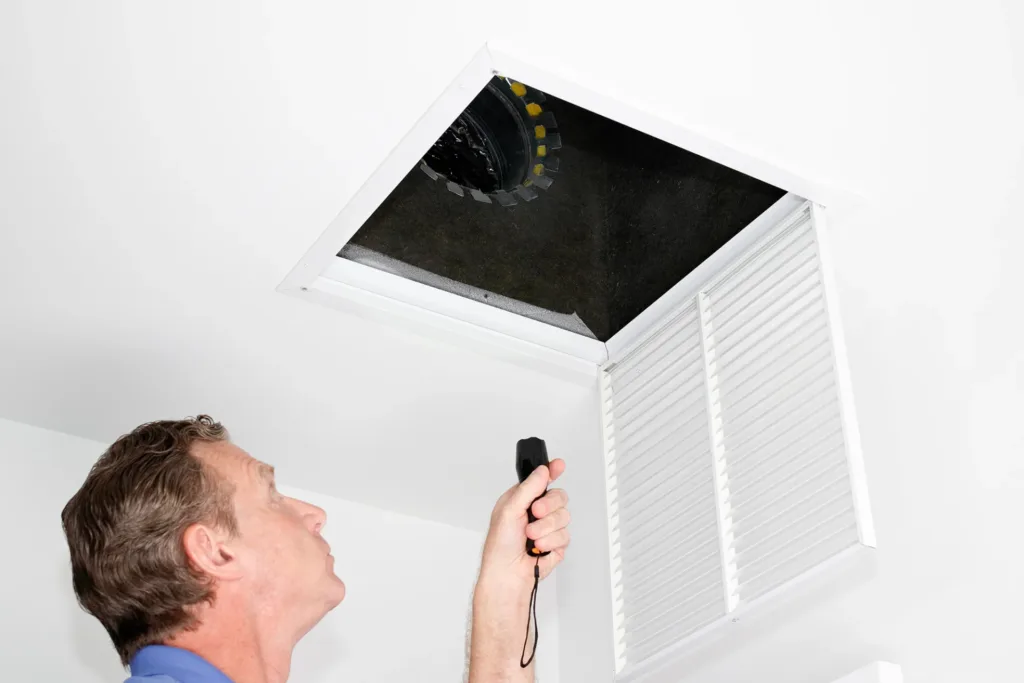
The installer must ensure that the unit is accessible for future servicing. Units buried under insulation or boxed into inaccessible ceiling cavities do not comply with good practice.
Registering the Installation with Manufacturer (Where Required)
Some manufacturers offer extended warranties on the condition that the system is registered. This is a small but important step in securing long-term support.
Common Mistakes to Avoid
Incorrect Placement
Positioning the unit too close to walls, in a cramped loft space, or in a poorly ventilated zone reduces effectiveness. Likewise, placing the diffuser directly above beds or living areas can cause discomfort.
Using Non-Compliant Electrical Connections
We’ve seen installations connected via junction boxes or using under-rated cables — both of which pose safety risks. Compliance with wiring regulations is essential.
Neglecting Regular Servicing
A PIV unit is low-maintenance, but not maintenance-free. Ignoring filter checks or failing to monitor performance can undo the benefits of installation.
FAQs
Do I need building regulations approval for a PIV unit?
While approval is not always required for the unit itself, any electrical work must comply with Part P. Ventilation performance should meet the aims of Approved Document F.
Can I install a PIV system myself?
No. Although the physical aspects may seem simple, the electrical connection must be made by a qualified person. Incorrect installation can breach regulations and void warranties.
How long does a typical PIV installation take?
In most houses, installation can be completed in under a day. Flats or properties with limited access may take longer due to the need for bespoke routing and electrical modifications.
Conclusion
Installing a PIV system is more than a case of fixing a fan in the loft. Each part — from placement and ducting to electrical compliance — must be handled with care to ensure the system works as intended and stays within legal boundaries. Following the right procedures from the start helps avoid costly mistakes, improves indoor air quality, and extends the life of the system.
We’ve helped hundreds of homeowners get lasting results with PIV ventilation solutions that are tailored, compliant, and built to last.