Bathroom electrics cause more confusion than any other part of a home installation. A common question we hear from customers is whether you can plug in anything other than a shaver into a shaver socket. Some people try to use them for toothbrushes, others wonder about phone chargers or even hairdryers. With so much conflicting advice online, it’s no surprise that there are misconceptions about what’s allowed and what isn’t.
The truth is that shaver sockets are very different from standard 13A outlets. They’re designed to be low-power, safe, and isolated, which makes them suitable for some small devices but completely unsuitable for others. In this article, we’ll explain exactly what you can plug into a shaver socket, why the limitations exist, and how to keep your bathroom electricals safe and compliant.
Quick Answer
You can safely plug in low-power bathroom appliances designed for shaver sockets — primarily electric shavers, many toothbrush chargers and similar low-current devices. High-draw equipment such as hairdryers, straighteners, kettles or laptops must never be used. The reason is that most shaver sockets incorporate an isolating transformer and have a limited power rating, typically around 20 VA, which restricts what they can safely supply.
The Safety Basics: Why Shaver Sockets Are Different
Isolation and Reduced Shock Risk
Unlike ordinary sockets, shaver outlets usually include a built-in isolating transformer. This means the electricity supplied to your device is electrically separated from the mains supply. In practical terms, that reduces the risk of a severe electric shock in wet bathroom conditions, which is why these sockets are permitted in places where standard outlets are not .
Voltage and Power Ratings
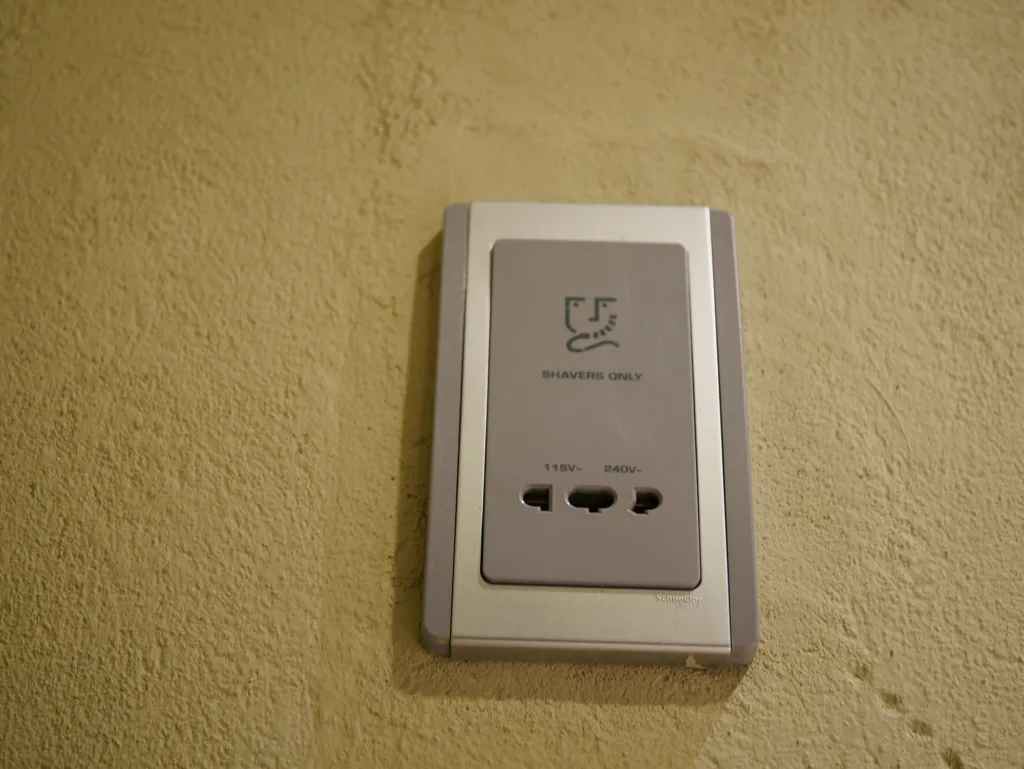
Most shaver sockets in the UK are dual voltage. You’ll often see markings for 115V and 230V outputs. This design allows visitors with two-pin plugs from abroad to use their own shavers. However, the crucial factor isn’t just voltage — it’s the power rating. Typical UK shaver sockets are rated at around 20 VA. That’s a tiny amount compared to the 3,000 VA (or watts) a standard 13A socket can provide. This rating makes them unsuitable for any appliance that draws significant current .
What’s Approved to Plug In
Electric Shavers and Trimmers
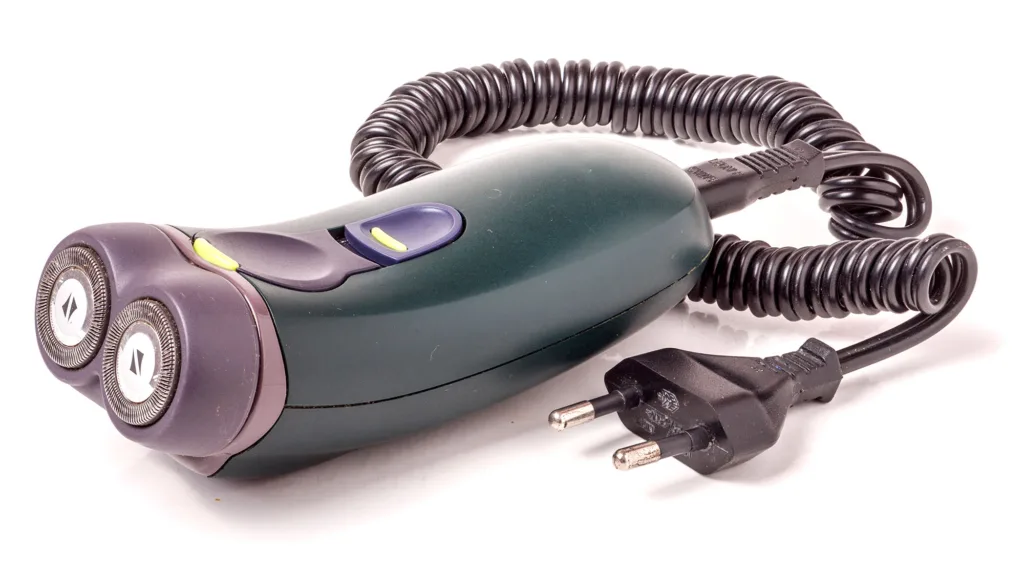
Unsurprisingly, electric shavers are the intended device for these outlets. They’re designed with very low power consumption and two-pin plugs that fit perfectly into the socket. Beard trimmers also fall into this category and are safe to use.
Electric Toothbrush Chargers
Most modern electric toothbrush chargers are compatible with shaver sockets, drawing only a small continuous load. However, it’s important to note that shaver socket transformers aren’t always designed for constant charging. Some models can overheat if used as a permanent supply. If you intend to keep a toothbrush charger plugged in all the time, make sure the socket’s instructions explicitly permit continuous use .
Low-power Chargers
A few shaver sockets incorporate USB outputs or are marketed as suitable for small electronic chargers. While you may be able to top up a phone, the current availability is extremely limited. In many cases, charging will be slow, and continuous use should be avoided unless the manufacturer specifically rates the unit for it.
What You Must Never Plug Into a Shaver Socket
Hairdryers, Straighteners and Curling Tongs
These are among the most common mistakes. Hairdryers typically consume between 1,500 and 2,200 watts. That’s over 100 times more than a shaver socket is designed to handle. Plugging one into a bathroom shaver outlet will at best trip the transformer and at worst damage the fitting.
Kettles, Heaters and Laptops
Any high-draw device, including travel kettles, space heaters, or even laptop chargers, will exceed the socket’s rating. Remember, shaver sockets are often fed from a bathroom lighting circuit and can’t support heavy loads. Using them for these purposes is not only unsafe but may also cause the transformer to overheat.
Rules About Location, IP Rating and Wiring
Bathroom Zones
UK wiring regulations (BS 7671) split bathrooms into zones based on proximity to water. Shaver sockets are one of the few outlets permitted in Zone 2 (the area close to baths and showers), provided they meet the correct IP rating. Otherwise, they must be installed outside the zones altogether. This is why you’ll often see them mounted just outside reach of the bath or shower. For more information, check out our post on the rules of bathroom electrics.
Standards and Compliance
Shaver sockets must comply with British Standards and be installed correctly. The isolating transformer is not optional; it’s the reason they can be fitted in bathrooms at all. All installations should meet the requirements of Part P of the Building Regulations and be carried out by a competent person.
Common Misconceptions
One of the biggest myths is that “anything small can be plugged into a shaver socket.” In reality, the limiting factor isn’t the size of the device but the current it draws. For example, a phone charger might look small but could still exceed what the transformer is designed to supply. Another common mistake is assuming that because a toothbrush charger fits, it’s fine to leave it connected permanently. Continuous use may cause overheating unless the socket manufacturer has allowed for it .
Safe Installation and Professional Support
Electrical work in bathrooms is tightly regulated for a reason. If you’re considering having a shaver socket installed or replaced, it’s vital to use a qualified electrician. At Wave Electrical Solutions, we provide safe and compliant installations across Cornwall, covering everything from consumer units to specialist bathroom fittings. You can learn more about our bathroom electrical services.
Practical Checklist for Homeowners
- Check the socket’s label for its VA rating.
Confirm your device’s wattage — most toothbrushes and shavers are under 5W, which is fine. - Never attempt to run high-draw devices such as hairdryers.
- Avoid continuous use unless permitted by the manufacturer.
- Make sure the socket is installed in a safe location and complies with bathroom zoning.
FAQs
Can I charge my toothbrush overnight in a shaver socket?
Usually yes, but it depends on the transformer design. Some are not intended for continuous charging. Always check the manufacturer’s instructions for both the toothbrush and the socket.
Why do shaver sockets show both 115V and 230V?
The dual-voltage design allows compatibility with both UK and international shavers. The output is isolated via a transformer, which provides an extra layer of safety in a bathroom environment.
Can I get a socket in my bathroom for a hairdryer?
No. Standard 13A sockets are not allowed in bathrooms. Hairdryers must be used from a regular outlet outside the bathroom. If you want a dedicated supply, consult a qualified electrician for safe alternatives.
Final Thoughts
Shaver sockets are useful, but they are also one of the most misunderstood fittings in a UK home. They’re perfect for low-power devices like electric shavers and, in most cases, toothbrush chargers. But they’re not a substitute for a normal plug socket and must never be used for hairdryers, laptops, or other high-power equipment. The built-in transformer makes them safe for bathroom use, but it also limits their output dramatically.
At Wave Electrical Solutions, we often help homeowners correct bathroom electrical setups that have been misused or poorly installed. If you’re unsure what you can safely plug in, or if you want a new shaver socket fitted in line with the current regulations, our team is here to help. For all other electrical support, you can always start at the Wave Electrical Solutions service page.