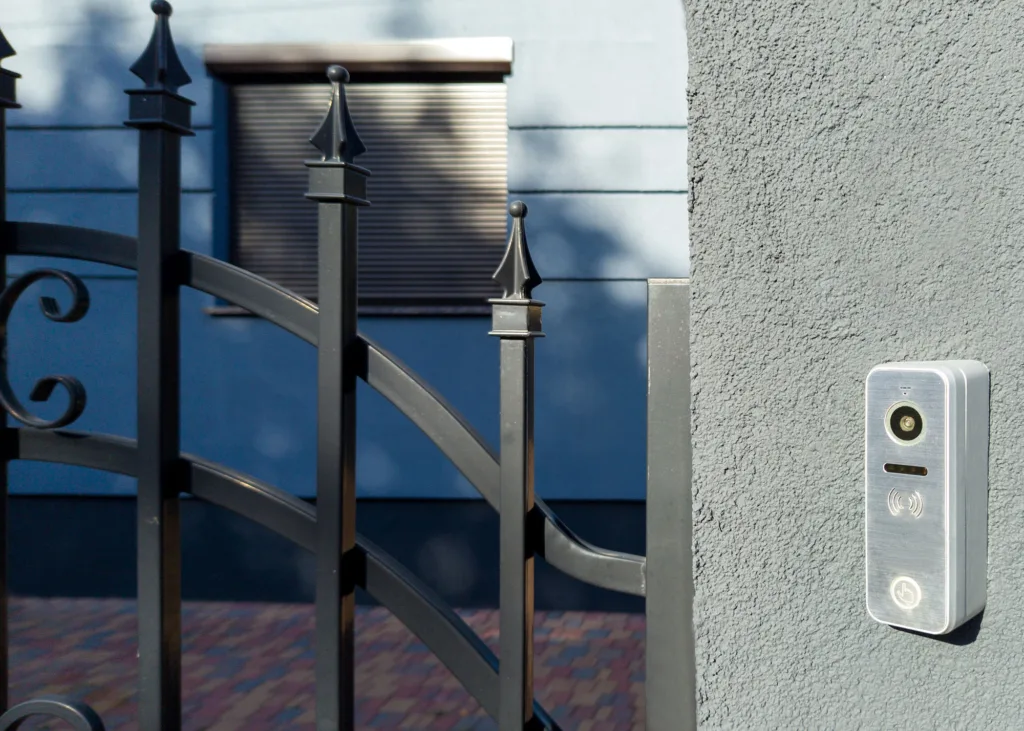
Smart doorbells have transformed home security, allowing homeowners to monitor visitors and deliveries remotely. With features like motion detection, live video feeds, and two-way communication, they add convenience and safety to any property. But once you’ve chosen a smart doorbell, the next question is—who should install it?
Some homeowners prefer the DIY route, installing their smart doorbells to save money. Others opt for professional installation to ensure the job is done safely and correctly. The right choice depends on your technical skills, the type of smart doorbell, and whether you’re comfortable handling electrical components. In this guide, we’ll break down the pros and cons of each option, covering everything from installation steps to UK regulations.
Smart Doorbell Installations
What Is a Smart Doorbell?
A smart doorbell is a security device that connects to your home’s Wi-Fi, allowing you to see, hear, and speak to visitors via a mobile app. Many models include motion sensors, night vision, and cloud storage for recorded footage.
Wired vs. Wireless Smart Doorbells
There are two main types of smart doorbells:
- Wired smart doorbells: These connect directly to your home’s electrical system and typically replace an existing doorbell. They require proper wiring and may need a transformer for voltage regulation.
- Wireless smart doorbells: Battery-powered and easier to install, these doorbells connect to Wi-Fi without requiring electrical work. However, they need regular battery changes or recharging.
DIY Installation – Can You Do It Yourself?
When DIY Installation Is Possible
Installing a smart doorbell yourself is feasible if:
- You’re using a wireless model that doesn’t require wiring.
- You have a good understanding of basic tools and home maintenance.
- You’re comfortable following manufacturer instructions.
However, DIY installation becomes riskier for wired doorbells, especially if you need to modify existing electrics.
Tools and Equipment Required
For a DIY installation, you’ll need:
- A drill (for mounting the doorbell).
- Screwdrivers and wall plugs.
- A voltage tester (for wired models).
- A strong Wi-Fi signal at the installation location.
Step-by-Step Guide for Wireless Installation
- Charge the Battery – Ensure the smart doorbell is fully charged before mounting.
- Choose the Right Spot – Install at eye level and within Wi-Fi range.
- Attach the Mounting Bracket – Secure it using the provided screws and wall plugs.
- Connect to Wi-Fi – Follow the app instructions to pair the device.
- Test the System – Check the camera angle and motion detection settings.
Risks and Common Mistakes of DIY Installation
- Poor Wi-Fi connectivity: If the doorbell is too far from the router, the video feed may lag or disconnect.
- Incorrect mounting: Placing the doorbell too high or low affects motion detection.
- Electrical hazards: If installing a wired model, incorrect wiring can cause short circuits or damage the device.
Professional Installation – Is It Worth It?
Why Choose a Professional Electrician?
For wired smart doorbells, hiring a professional ensures the job is done safely and correctly. Electricians understand voltage requirements and can handle integration with existing electrics.
The Importance of Correct Wiring and Transformers
Many wired smart doorbells require a step-down transformer to convert the mains voltage to a suitable level. Incorrect installation could lead to device failure or even pose a fire risk.
For an example of a successful smart doorbell installation, check out our LED wall light and video doorbell project, where we integrated security lighting with a smart doorbell for enhanced safety.
Compliance with UK Wiring Regulations and Safety Standards
Any electrical work in the UK must comply with BS 7671 Wiring Regulations. Incorrect wiring could violate Part P of the Building Regulations, which covers electrical safety in dwellings.
Cost Comparison: DIY vs. Hiring an Expert
- DIY installation: Up to £50 (for tools, mounting hardware, or accessories).
- Professional installation: £80-£200, depending on complexity.
While DIY is cheaper upfront, a professional installation ensures long-term reliability and compliance with UK standards.
Legal and Privacy Considerations in the UK
GDPR and Privacy Laws Regarding Smart Cameras
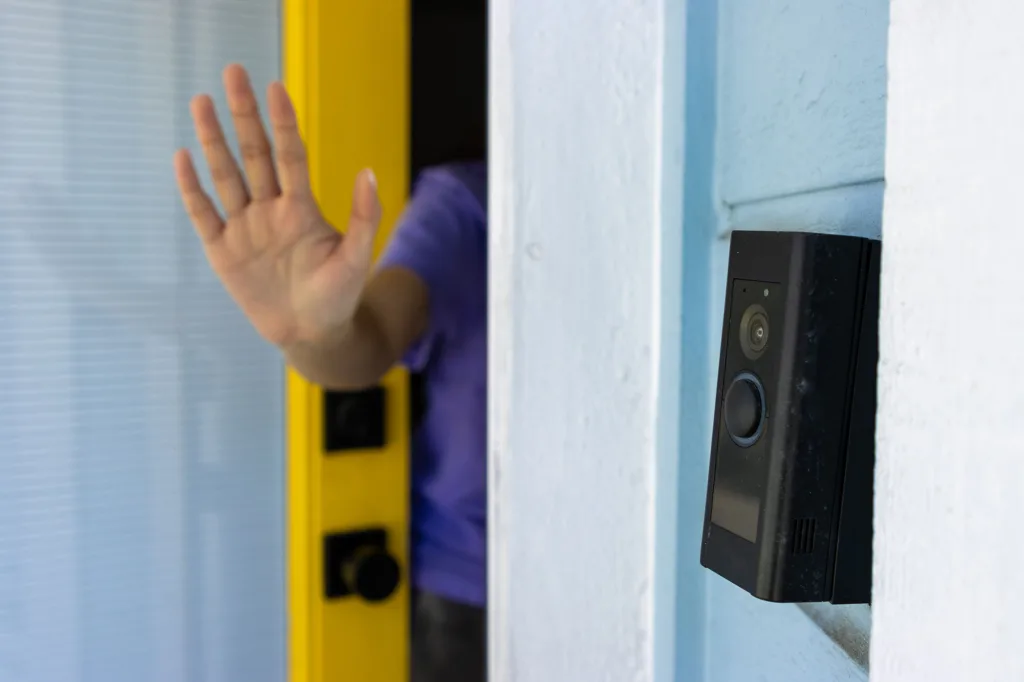
Under UK GDPR, homeowners must ensure their smart doorbells do not infringe on others’ privacy. If the camera captures public areas or a neighbour’s property, you may be legally responsible for how that footage is used.
Where to Position Your Smart Doorbell Legally
To stay compliant:
- Angle the camera so it only captures your property.
- Inform visitors that they are being recorded (some doorbells include stickers for this purpose).
- Avoid recording conversations outside your property boundary.
Best Practices for Avoiding Neighbour Disputes
- Inform neighbours if your doorbell has a wide-angle view.
- Adjust settings to exclude public pathways from motion detection.
- Use privacy zones, a feature available in many smart doorbells.
Choosing the Right Smart Doorbell Installer
What to Look for in a Professional Installer
- NICEIC or NAPIT certification (indicating the electrician is registered and qualified).
- Experience with smart home installations.
- Clear pricing and guarantees on work completed.
For expert smart doorbell installation services, visit our security and CCTV installation page.
FAQs
Can I install a smart doorbell myself if I have no electrical experience?
If it’s a wireless model, yes. The installation is straightforward and requires minimal tools. However, for wired doorbells, professional installation is highly recommended to ensure safety and compliance.
How much does professional smart doorbell installation cost in the UK?
Costs vary but typically range from £80-£200, depending on whether additional wiring or a transformer is needed. It’s best to get a quote from a qualified electrician.
What should I do if my smart doorbell stops working?
- Check Wi-Fi connectivity.
- Restart the device via its app.
- Ensure the wiring is intact (for wired models).
- Contact your installer if issues persist.
Conclusion
Choosing between DIY and professional smart doorbell installation depends on your confidence and the type of doorbell you’re installing. While wireless models are relatively simple to set up, wired doorbells require careful handling to avoid electrical hazards. Professional installation guarantees compliance with UK safety regulations, ensuring your doorbell works reliably for years to come.
If you’re considering a professional installation, get in touch with our team today.
For all your electrical needs, visit Wave Electrical Solutions.