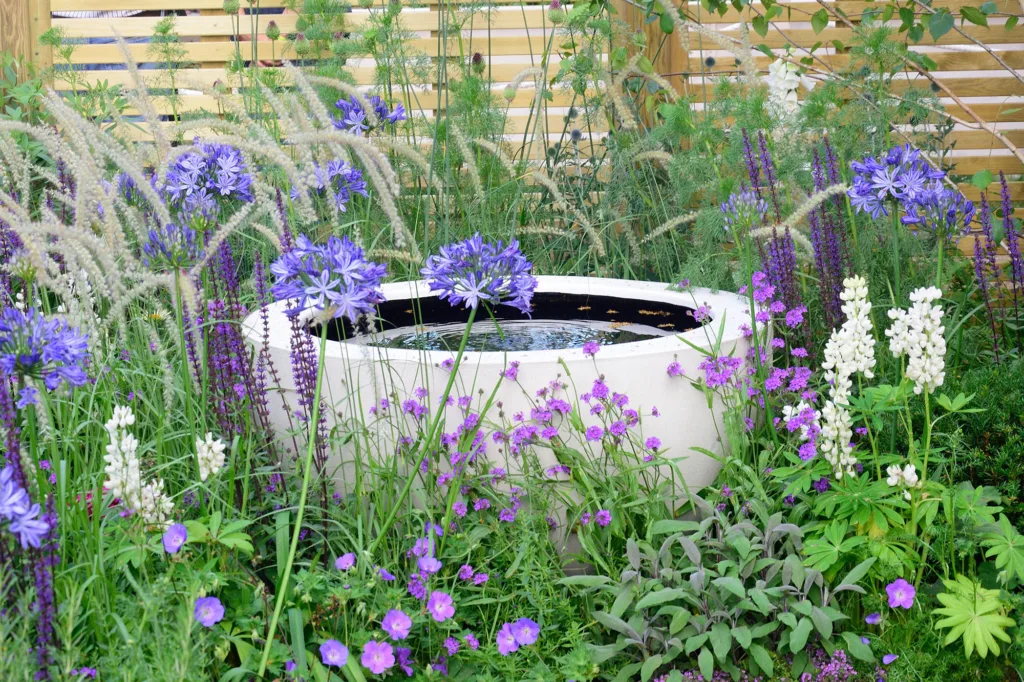
Water features have a special place in Cornwall’s gardens. Whether you’re sprucing up your backyard with a simple fountain or aiming for a grand cascade, a well-wired garden fountain pump ensures safe and effective operation. However, wiring an outdoor water feature isn’t quite like setting up indoor appliances. It involves a few more considerations – from choosing waterproof equipment to ensuring everything meets Cornwall’s regulations. This guide offers a detailed, step-by-step approach, highlighting key safety practices and maintenance tips along the way. Read on to discover how to make your fountain both safe and beautiful.
Essential Preparations for Wiring a Garden Fountain Pump
Selecting the Right Pump and Materials
The first step to installing a safe and effective fountain pump is selecting the right materials. In garden fountains, submersible pumps are commonly used because they sit beneath the water, minimising noise and offering efficient water flow. External pumps can be an option for larger installations but require more protection from the elements.
To protect both the pump and wiring, ensure you’re selecting IP-rated materials designed for outdoor or water feature use. IP (Ingress Protection) ratings indicate the level of waterproofing a product provides. For example, IPX8 ratings are ideal for submerged pumps, while IPX4 or above will work well for non-submersed outdoor setups. Additionally, using weatherproof connections, such as sealed junction boxes and outdoor-grade cables, will further enhance safety and durability.
For an extra level of detail on safety requirements, see Wave Electricals’ Safety Checklist for Outdoor Electrical Installations.
Ensuring Compliance with Cornwall’s Electrical Regulations
In Cornwall, as across the UK, electrical work in domestic settings needs to meet strict regulations, particularly for outdoor installations. Part P of the Building Regulations is essential to be aware of here – it mandates that certain electrical work, especially in areas exposed to moisture like garden fountains, must be carried out by certified professionals. Working with a Part P registered electrician ensures that your installation complies with UK safety laws, significantly reducing the risk of electric shock or fire.
For more on this requirement, check the authoritative guide from Gov.uk on Part P Building Regulations. Not only will this help you avoid any potential fines, but it also guarantees that your fountain is safe for family, pets, and guests.
Step-by-Step Guide to Wiring a Garden Fountain Pump
Setting Up a Safe Power Source
Outdoor electrical work must start with a safe power source. If possible, avoid running cables across pathways or planting areas where they can be accidentally damaged. Install an outdoor socket with a weatherproof cover and, if necessary, run the cables through a conduit or armoured trunking to shield them from the elements. Be sure to use RCD-protected sockets, as these devices detect imbalances and cut power in the event of an electrical fault, providing an additional layer of safety in wet environments.
For mains-powered fountains, consider hiring a professional to connect the socket directly to your home’s consumer unit to ensure it’s protected by an RCD. This setup prevents electric shock in case of faults and avoids the risk of short circuits.
Installing and Securing the Fountain Pump
Once your power source is set up, the next step is to install and secure the pump. Start by placing the pump in the fountain reservoir, positioning it where it can be easily accessed if you need to clean or adjust it. For most water features, the pump should be fully submerged. Submersion not only cools the motor but also reduces noise and improves water flow.
Make sure to connect the fountain tubing securely to the pump outlet. It’s often easier to warm the tubing slightly in hot water, allowing it to expand and fit snugly over the pump connection. Use zip ties if needed to secure the tubing and prevent it from slipping. When arranging the power cable, keep it as dry as possible by routing it away from any water flow.
For more complex setups or multi-feature fountains, you may find professional installation beneficial. Wave Electricals offers outdoor electrics services to handle complex wiring safely and ensure longevity.
Testing and Maintenance Tips for Your Garden Fountain

Conducting Safety Tests Before Use
Before switching on your newly installed fountain, run a few essential safety checks. Ensure all wiring connections are secure, cables are properly routed, and the pump is correctly positioned in the water. Test the RCD by pressing the “Test” button – it should immediately cut off power. Reset it, and you’re ready to power on the pump. If the RCD doesn’t work as expected, consult an electrician before proceeding.
Regularly testing the RCD, at least every three months, is a wise step to keep your garden fountain safe. This device is a valuable safety measure, especially in outdoor setups where water and electricity are so close together.
Regular Maintenance for Outdoor Fountains
Maintaining your garden fountain isn’t just about keeping it visually appealing – it’s also essential for safety. Clean the pump regularly to remove any dirt or algae build-up, which can clog the system and reduce efficiency. Check that all connections remain waterproof, especially after heavy rainfall or if temperatures drop, as the cold can make some materials brittle and prone to cracking.
For additional maintenance services, consider consulting an expert at Wave Electricals Solutions.
Troubleshooting Common Issues with Fountain Pumps
Even with the best installation practices, you may run into issues with your fountain pump. Here are a few common problems and their solutions:
Dealing with Low or Irregular Water Flow
If your fountain’s water flow seems weak or inconsistent, it’s often due to debris or an obstruction within the pump or tubing. Turn off the pump, remove it from the fountain, and carefully clean out any blockages. Another reason could be air trapped in the pump; briefly running the pump out of the water can help clear it, then re-submerge.
Addressing Electrical Problems and Power Loss
Occasional power loss or tripped circuits can indicate a problem with your setup’s wiring or with the pump itself. Check if any wires are exposed or damaged and ensure the RCD is functioning correctly. If problems persist, consult a professional – working with electricity in outdoor areas requires careful handling, and professional help is always a good investment for safety.
FAQs
Q1. What type of pump is best for outdoor fountains?
Submersible pumps are generally the best choice for garden fountains, as they are quieter and designed to work fully immersed in water. For larger fountains, however, an external pump may be more efficient but requires additional waterproofing.
Q2. How often should I check the wiring for my fountain pump?
It’s recommended to inspect the wiring and connections every three months, especially if you live in areas with extreme weather conditions. Regular checks help prevent issues caused by moisture or wear over time.
Q3. Can I install a fountain pump myself?
Basic installations are possible for those with some DIY experience, but for anything involving mains electricity, hiring a Part P certified electrician is strongly advised to ensure compliance with UK safety standards.
Closing Thoughts
A well-installed garden fountain pump can transform your outdoor space, creating a serene and visually pleasing environment. By following the right steps – from selecting the proper equipment to ensuring all connections are waterproof and compliant – you can enjoy a beautiful and safe water feature. If you’d like assistance with installation or maintenance, our team at Wave Electrical Solutions is here to help. With expertise in outdoor electrics, we can make sure your fountain remains both stunning and secure.