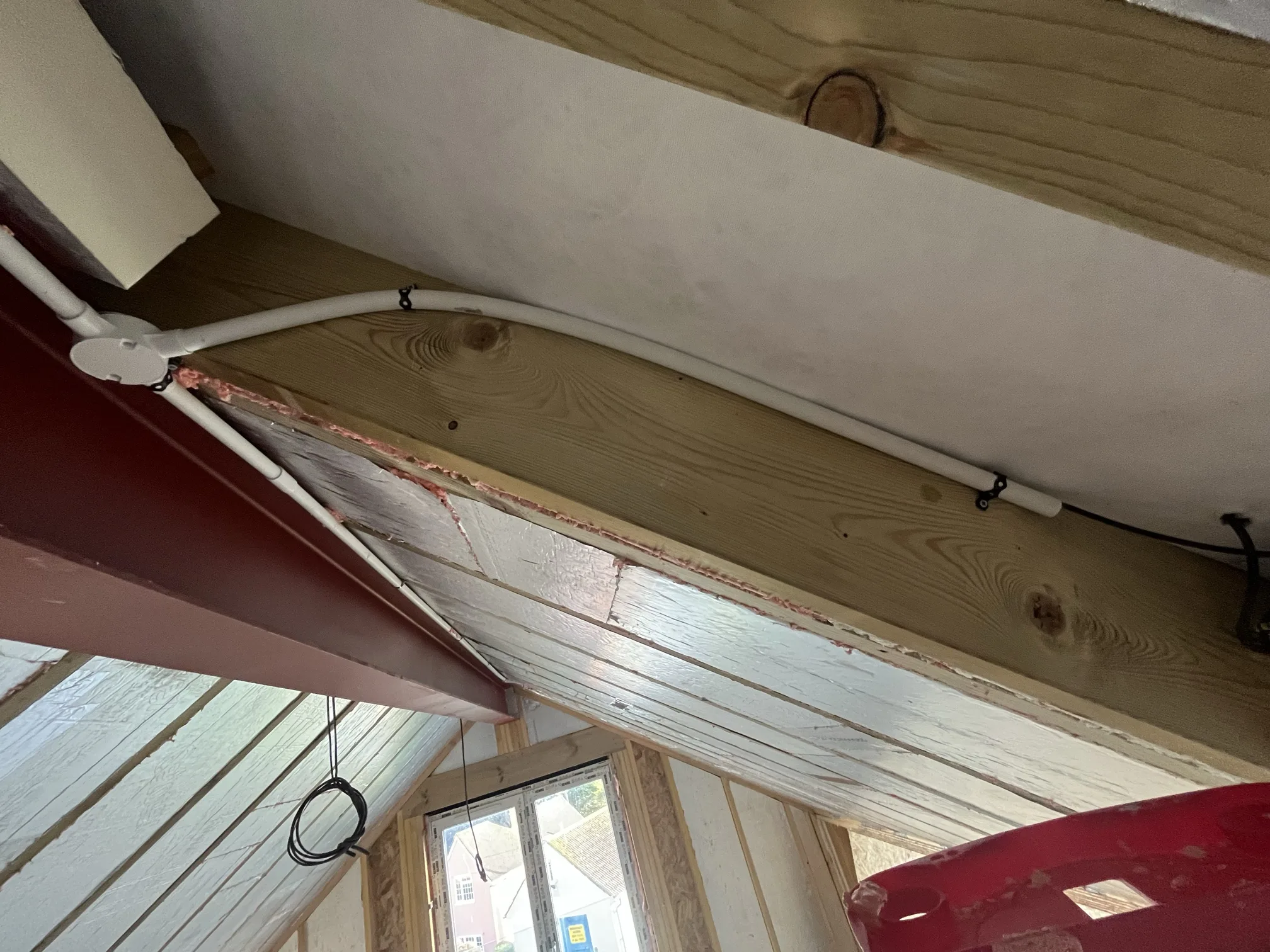
Complete electrical installation for a loft conversion in Truro, including a modern consumer unit upgrade to support the additional circuits and power requirements of the new living space.

A loft conversion in Truro needed a complete electrical overhaul to make the space work as intended. The existing setup wasn’t suitable for the planned conversion, so we tackled a full rewire alongside replacing the consumer unit.
The thing with loft conversions is that they’re rarely straightforward from an electrical perspective. You’re not just adding a light and a socket or two. There’s proper consideration needed for everything from the circuits that’ll serve the new space to whether the existing consumer unit can handle the extra load. In this case, the answer was clear – the old unit needed replacing before any of the conversion work could properly begin.
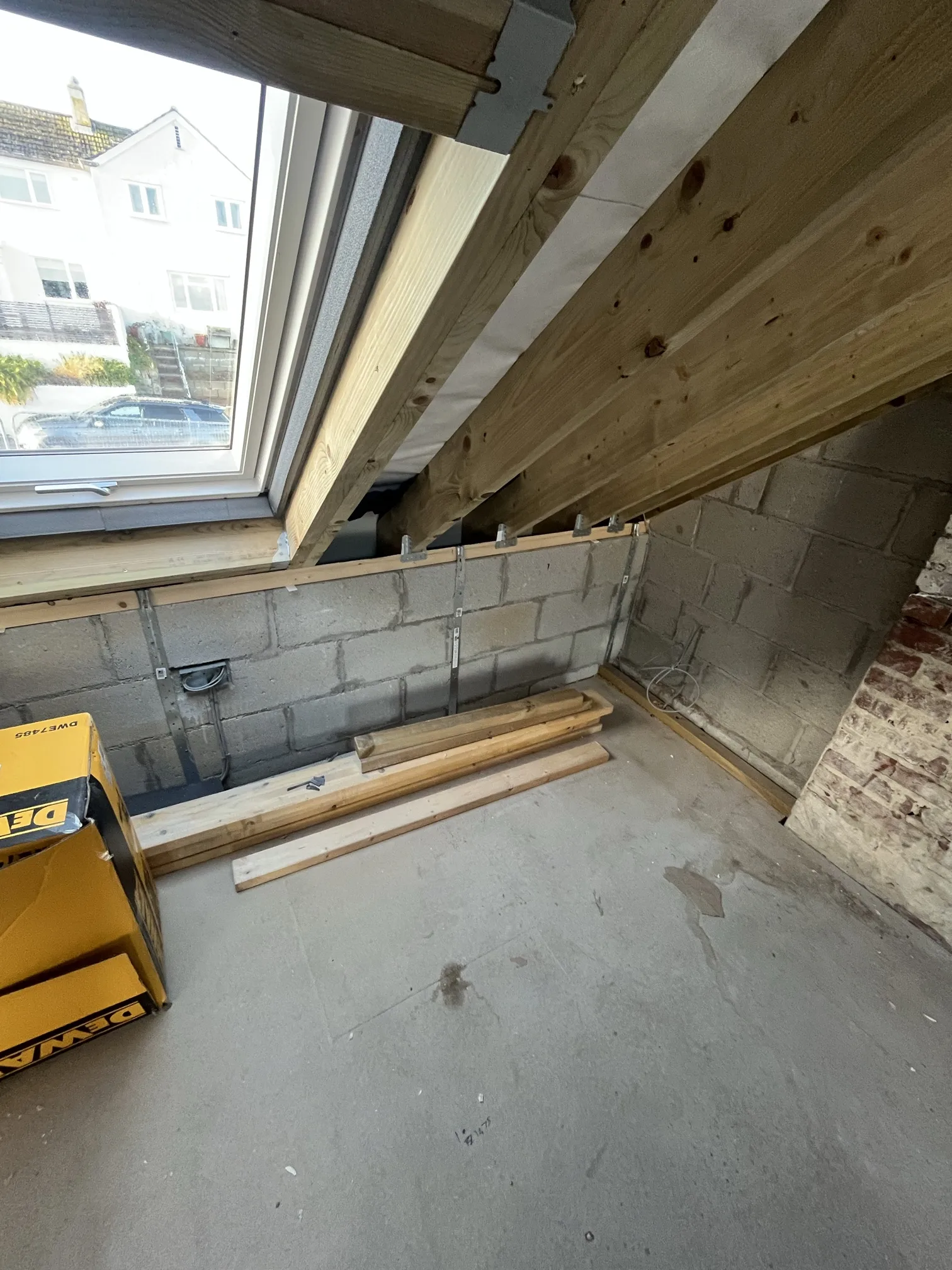
Working in a space that’s still very much under construction brings its own set of challenges. The timber frame was up, insulation was going in, and we needed to coordinate with the other trades to get the first fix electrical work completed at the right stage. Running cables through exposed rafters and beams needs to be done before the plasterboard goes up, which is why timing matters so much on these jobs.
The consumer unit replacement itself was a fairly involved process. Modern consumer units need to meet current regulations, which means RCD protection on the right circuits and enough spare ways to accommodate any future additions the homeowners might want to make. We went with a unit that would comfortably handle the existing circuits plus all the new ones needed for the loft space, with room to spare.
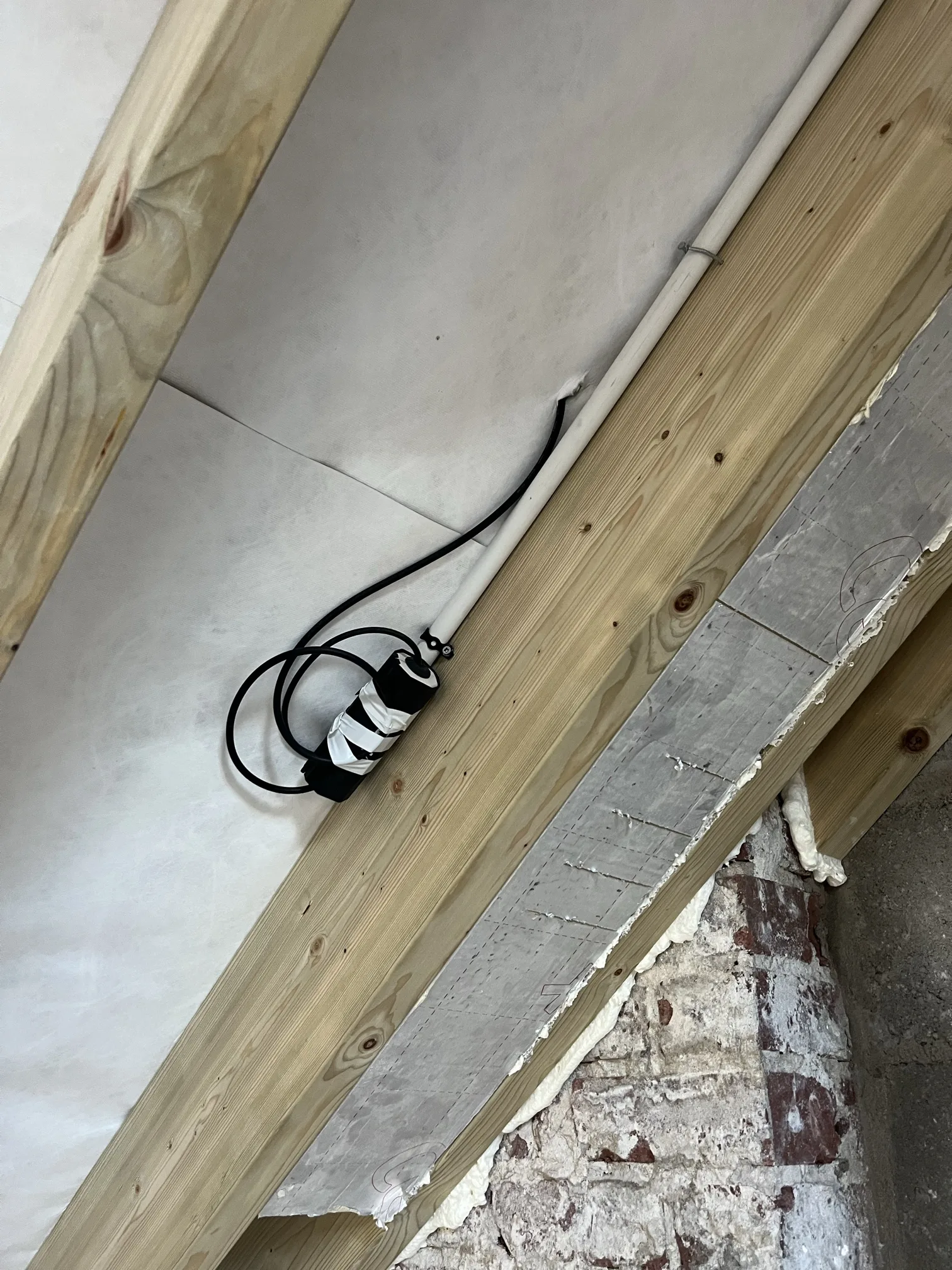
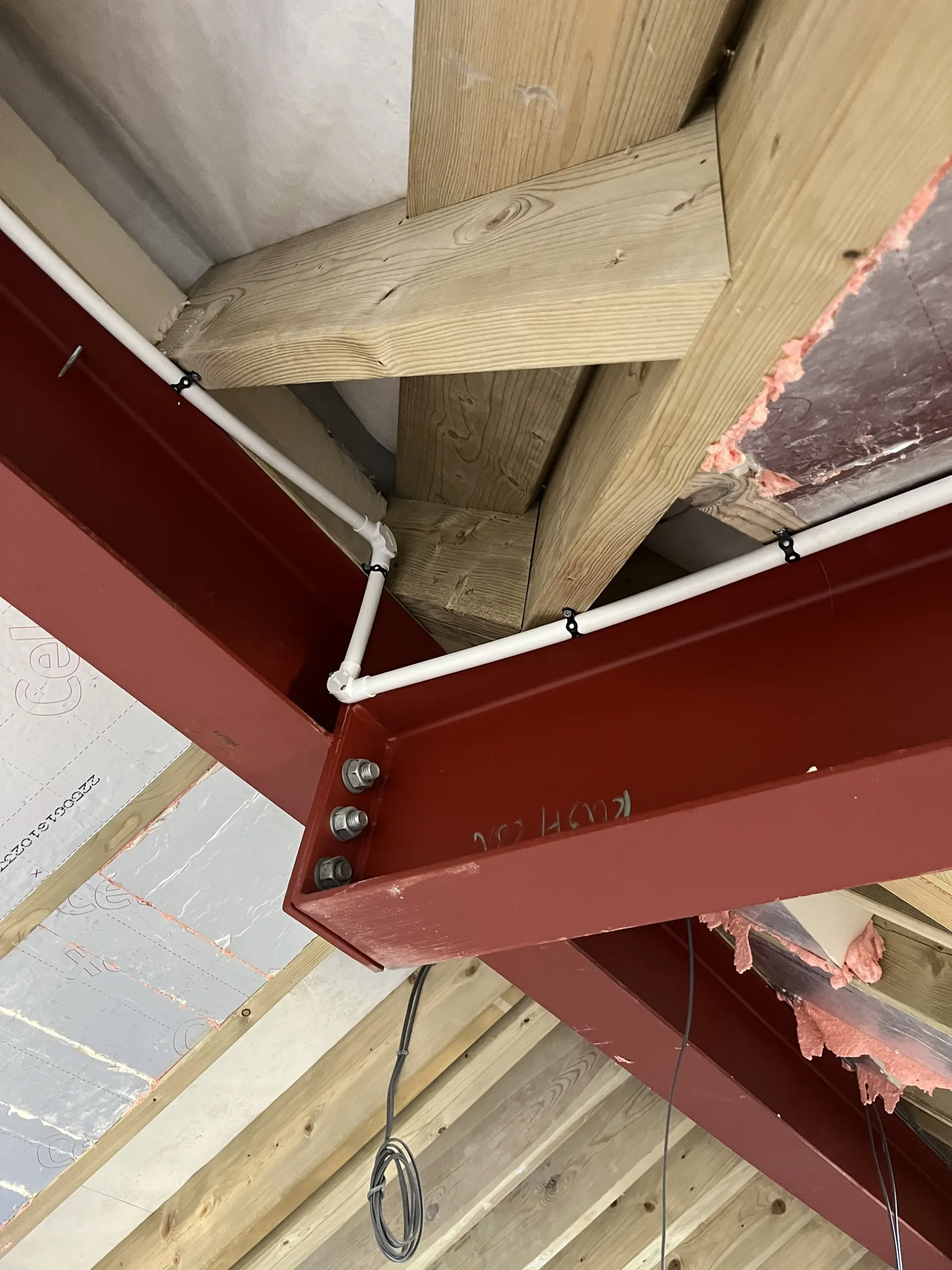
Getting the cables routed through a loft conversion requires a bit of thought. You’ve got sloped ceilings, awkward angles where the roof meets the walls, and steel beams that need working around. The cables need to be clipped properly to the timber framework, kept clear of areas where they might get damaged, and run in a way that makes sense for when the sparks come back for the second fix.
One thing about consumer unit upgrades is that they’re not just about swapping one box for another. The circuits need testing, the earthing arrangements need checking, and everything has to be properly certified. When you’re doing this as part of a bigger rewire job, it means taking the time to label everything clearly so that when you come back to terminate all the new circuits, you know exactly what’s what.
The first fix work in the loft covered all the usual requirements for a living space. Power circuits were run to where sockets would eventually go, lighting circuits were installed with the cables positioned for ceiling lights and any wall-mounted fittings the clients wanted. There was also the matter of getting power up to the loft in the first place, which meant running new cables from the consumer unit up through the existing structure of the house.
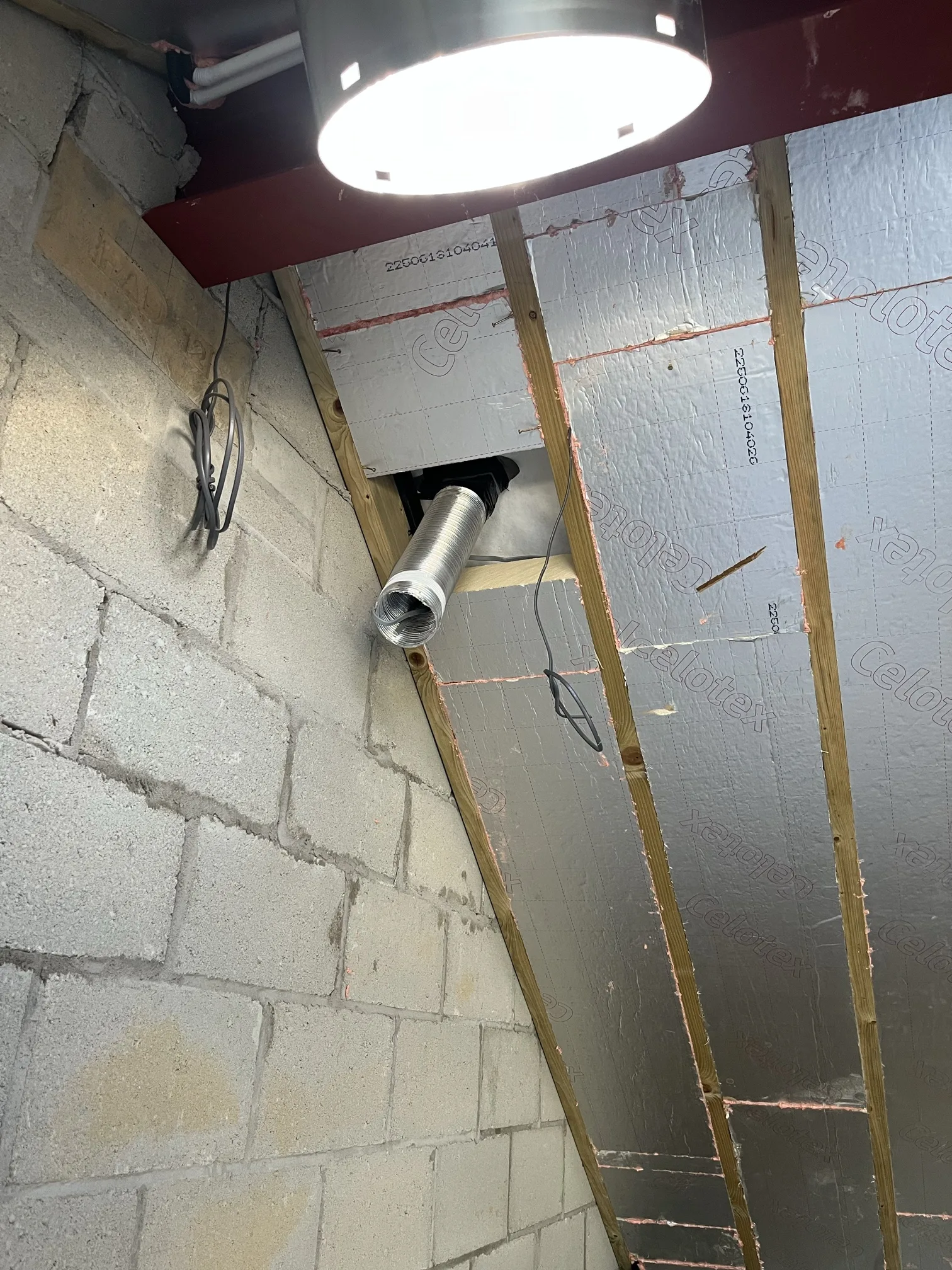
Loft conversions often need extractor fans as well, particularly if there’s going to be an ensuite bathroom or if building regs require additional ventilation. Getting the electrical supply sorted for these during first fix saves a lot of hassle later on. The cables get run to where the fan units will eventually be installed, ready for when the bathroom fitter or whoever’s handling that side of things needs them.
Working around exposed steel beams adds another layer to the job. You can’t just drill through them like you would timber, so cables need to be routed carefully to avoid any potential issues. Cable management becomes quite visual at this stage as well – everything’s on show until the walls and ceilings get finished, so keeping it all neat and methodical matters more than it might in a standard rewire where everything’s hidden from the start.
The consumer unit location was kept accessible, which is always important but particularly so when you’re adding a whole new floor to a house. You need to be able to get to it easily, both for testing during the installation and for any future maintenance or additions. Having it positioned somewhere that makes sense for the new layout while still being convenient for the existing floors takes a bit of planning.
Testing at this stage is mostly about continuity and making sure everything that should be connected is connected, and nothing’s shorting out that shouldn’t be. The proper testing comes later, once everything’s terminated and the installation’s complete, but doing the basic checks during first fix can save a lot of grief down the line.
Cable sizes matter quite a bit when you’re doing a rewire, particularly for a space that’s going to have a decent amount of load on it. The lighting circuits use different cable to the power circuits, and anything that’s going to be handling higher loads – like an electric shower if one’s being installed – needs appropriately sized cable run during first fix. Getting this wrong means tearing things apart later, which nobody wants.
The coordination with other trades is something that doesn’t always get mentioned but makes a huge difference to how smoothly a job runs. The builders need to know where cables are going so they don’t inadvertently damage anything when they’re working. The plasterboarders need to know what’s behind the walls. Everyone’s working in the same space, often at the same time, so communication matters.
Consumer unit replacements in older properties sometimes throw up interesting situations with the existing wiring. You might find cables that aren’t quite what you’d expect, earthing arrangements that need updating, or circuits that have been added over the years in less-than-ideal ways. When you’re replacing the unit as part of a bigger job like this loft conversion, it’s an opportunity to sort these things out properly.
The paperwork side of electrical work has become increasingly important over the years. Everything needs documenting – the consumer unit specifications, the circuits it’s protecting, the test results, the certificates. For a job of this size, with a consumer unit replacement and a full rewire for the new space, there’s quite a bit of documentation that needs to be put together before the job can be signed off.
Loft conversions in Truro seem to be increasingly popular, probably because they’re often more straightforward than trying to extend outwards where space is limited. From an electrical perspective, each one’s a bit different depending on what the space is being used for and what the existing setup looks like. Some need more extensive consumer unit upgrades than others, particularly if the house is older and the existing unit is fairly basic.
The visual side of first fix electrical work is quite satisfying in its own way. You see the bare bones of the installation taking shape – cables running along joists and through timbers, back boxes fitted where switches and sockets will eventually go, everything positioned and clipped according to the plan. It’s the foundation that everything else builds on.
By the time first fix was done on this job, all the cables were in place for the loft conversion, the consumer unit had been replaced and was ready to have the new circuits terminated, and everything was set up for the second fix stage to follow once the space was finished. The testing that happens between first and second fix would confirm everything’s sound, and then it’s a case of coming back to fit all the accessories and make everything live.